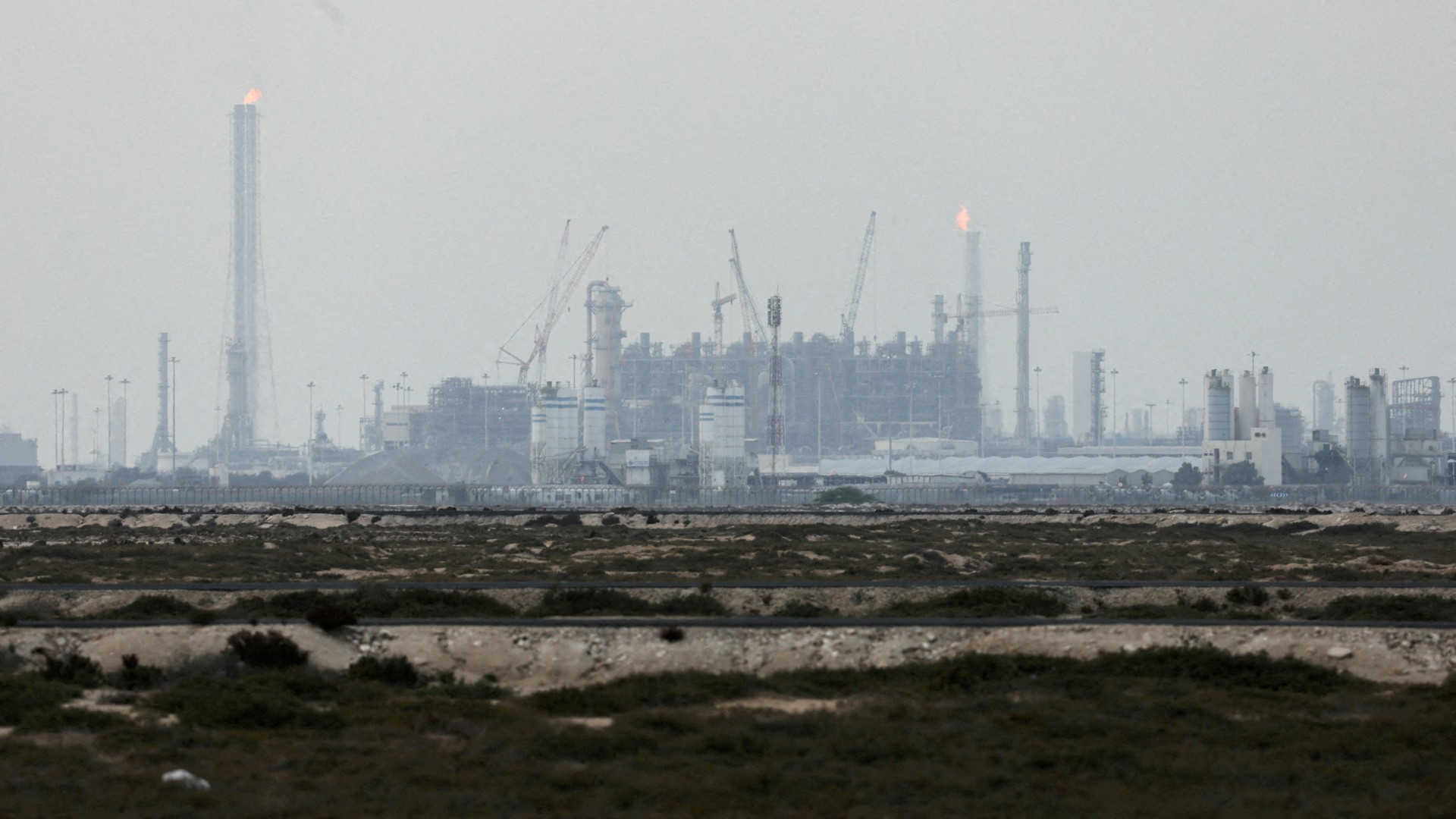
Qatar’s Ras Laffan Industrial City, the world’s largest liquefied natural gas (LNG) export facility responsible for 20% of global supply, has sustained catastrophic damage from repeated Iranian missile attacks. The assault on Wednesday marks the second major strike this month, following an initial attack on March 2nd that previously halted operations at the critical energy complex located 80 kilometers from Doha.
The strategic facility, operated by state-owned QatarEnergy across a 295-square-kilometer area, serves as the processing center for Qatar’s enormous North Field offshore gas reserves. The complex converts natural gas into various products including LNG, liquefied petroleum gas (LPG), petrochemical feedstocks, and specialized industrial byproducts.
According to QatarEnergy CEO Saad al-Kaabi, the attacks have severely damaged two of Qatar’s fourteen LNG processing trains and one of two gas-to-liquid facilities, eliminating approximately 17% of the nation’s LNG export capacity. The destruction will sideline 12.8 million tonnes of LNG annually for three to five years, resulting in $20 billion in lost annual revenue with total repair costs estimated at $26 billion.
The immediate market reaction saw natural gas prices surge dramatically across European and Asian markets on Thursday. Energy analysts warn the impact will exceed the market disruption caused by Russia’s invasion of Ukraine in 2022, creating profound and long-lasting consequences for global energy security.
Compounding the crisis, Iran has effectively closed the Strait of Hormuz – the vital shipping channel through which virtually all of Ras Laffan’s output travels – in response to the ongoing US-Israeli conflict. This dual assault on both production and transportation has completely stifled Qatar’s primary export economy.
Asian nations, which account for 90% of Qatari LNG exports, face particularly severe consequences. Countries like Pakistan and Bangladesh that rely on short-term spot pricing will struggle to absorb the cost increases, while industrial users across the region may be forced to switch to oil products or reduce production entirely.
European countries attempting to offset the shortfall by switching to coal power lack sufficient capacity to replace the missing 20% of supply, ensuring that ultimately consumers will bear the burden through dramatically higher energy prices. Experts predict prices must rise to ‘unbearable levels’ to trigger sufficient demand destruction to balance markets, with the poorest populations suffering the most severe impacts.