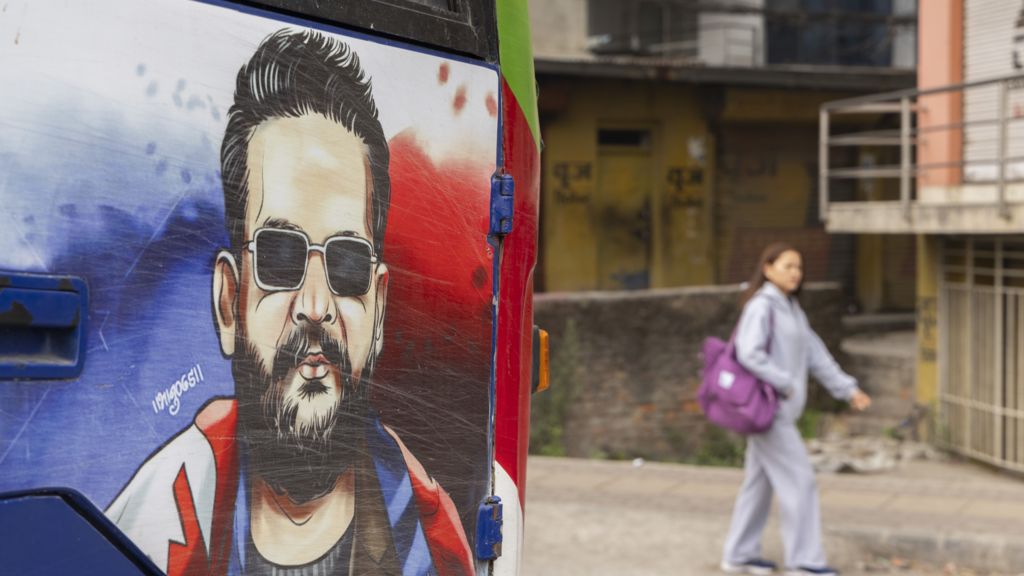
Nepal’s political landscape has undergone a dramatic transformation with the Rastriya Swatantra Party (RSP) achieving an unprecedented electoral victory that positions 35-year-old rapper-turned-politician Balendra Shah to become the country’s next prime minister.
The recently concluded parliamentary elections, the first since youth-led protests toppled the previous government in 2022, resulted in the RSP securing 182 seats in the lower house. While falling just two seats short of a supermajority, this represents the most substantial mandate for any single party in Nepal in decades. The established political forces—Nepali Congress with 38 seats and Communist Party of Nepal UML with 25—trailed significantly behind the newcomer party.
This electoral outcome is particularly remarkable given Nepal’s mixed political system, which combines first-past-the-post and proportional representation methodologies specifically designed to prevent single-party dominance. The RSP’s ascent is nothing short of extraordinary for a party founded merely in 2022, when it placed fourth in that year’s election.
Shah, whose political experience is limited to his current role as Kathmandu mayor, represents a seismic shift in Nepalese politics. His victory was underscored by a decisive win against former Prime Minister KP Sharma Oli in the Jhapa 5 constituency, traditionally considered Oli’s stronghold. In another symbolic defeat, Gagan Thapa, leader of the historically dominant Nepali Congress, lost his seat to an RSP candidate.
The election, which saw approximately 60% turnout among Nepal’s 19 million eligible voters, reflects widespread demand for change following last year’s protests that began against social media restrictions but escalated into broader demonstrations against political stagnation, unemployment, economic inequality, and nepotism. Tragically, 77 protesters died during the unrest, with a BBC investigation revealing that police were authorized to use lethal force against unarmed demonstrators.
Government formation is expected to take at least one week as the RSP navigates coalition building, marking the beginning of a new political era in Nepal led by a generation demanding substantive reform.