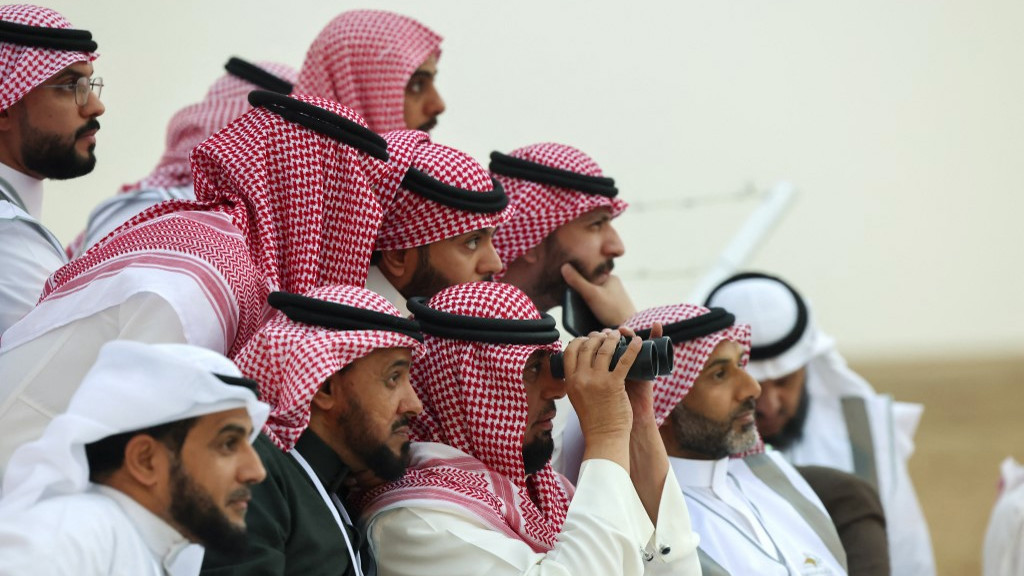
A significant astronomical disagreement is poised to create unprecedented division among Gulf nations regarding the commencement of Ramadan in 2026. Scientific authorities in the United Arab Emirates have declared the crescent moon will be scientifically impossible to observe on Tuesday, February 17th—the day Saudi Arabia’s moon-sighting committee is expected to make its traditional announcement.
The Sharjah Academy for Astronomy, Space Sciences and Technology (SAASST) has determined through advanced calculations that the first day of Ramadan will instead fall on Thursday, February 19th. This assessment is supported by Mohammad Odeh, director of the International Astronomical Centre in Abu Dhabi, who confirmed the moon’s invisibility across both the UAE and Saudi Arabia on the anticipated sighting date.
This scientific consensus contradicts Saudi Arabia’s Umm al-Qura calendar, which precalculates religious dates years in advance and indicates Wednesday, February 18th as Ramadan’s beginning. Historically, Saudi Arabia has reported crescent sightings on dates astronomers deemed impossible, without ever addressing these scientific criticisms.
The timing of this astronomical dispute coincides with deteriorating diplomatic relations between the UAE and Saudi Arabia, prompting speculation that Emirati authorities might break tradition and declare a different Ramadan start date. However, experts including Imad Ahmed of the New Crescent Society note that the UAE has never previously diverged from Saudi Arabia’s religious calendar determinations.
Other nations including Oman have already announced the moon’s impossibility of sighting on February 17th, with Jordan and Oman having previously rejected Saudi sightings in 2024. The controversy highlights growing tensions between traditional religious practices and astronomical science, with potential implications for Muslim communities worldwide that typically follow Saudi Arabia’s declarations.