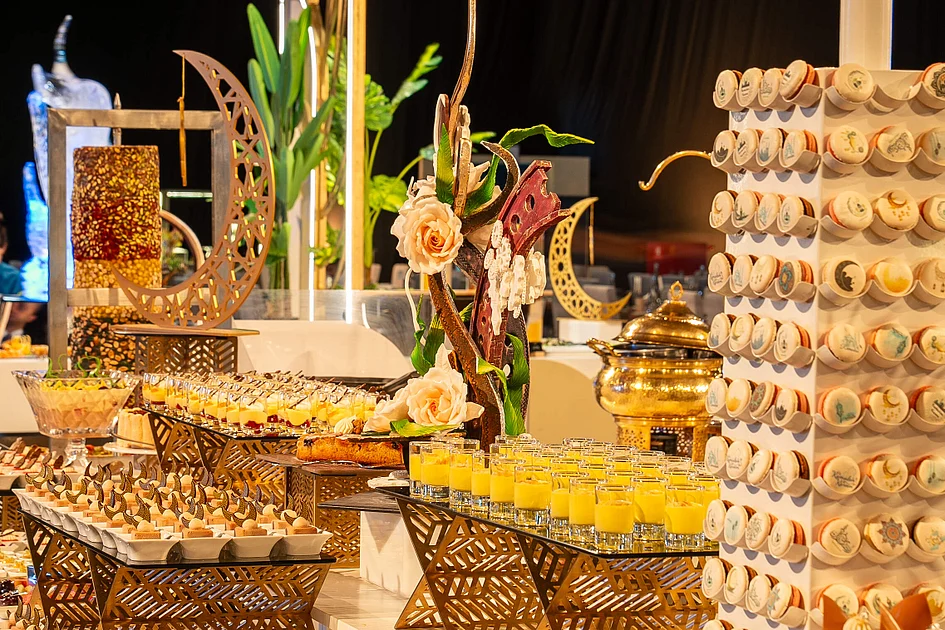
The United Arab Emirates hospitality sector is witnessing a significant transformation in Ramadan services for 2026, with hotels implementing strategic price increases alongside substantially upgraded culinary and experiential offerings. Industry executives confirm that iftar and suhoor rates have risen across mid-range to luxury establishments, marking a return to pre-pandemic demand levels with earlier booking patterns emerging throughout the market.
According to Ayman Ashor, General Manager of Al Bandar Rotana and Al Bandar Arjaan by Rotana, the measured price adjustments reflect current market conditions and rising operational costs. “Any adjustment in rates is always matched with a richer experience,” Ashor emphasized. “This year, we have expanded our buffet selections, added more live cooking stations, and introduced new regional specialities alongside international favourites.”
The market analysis reveals distinct trends between corporate and individual bookings. Corporate clients are demonstrating preference for banquet-style iftars designed for scale, particularly favoring venues offering flexibility and personalized settings for team gatherings. Meanwhile, individual bookings are increasingly experience-driven, with guests selecting venues based on ambiance, live music, standout culinary stations, and atmospheric settings.
Northern Emirates are experiencing particularly strong recovery, with Iftikhar Hamdani, Area General Manager for Bahi Ajman Palace Hotel and Coral Beach Resort Sharjah, reporting that corporate and group iftars have returned to pre-Covid levels. “Guests are not only paying for a meal; they are paying for a complete Ramadan experience—from the moment they arrive until the end of the evening,” Hamdani noted, adding that Ramadan décor budgets have doubled compared to 2025.
A notable shift in consumer behavior involves younger guests showing increased preference for traditional ambience and cultural authenticity. Hotels are responding by creating dedicated Ramadan tents, outdoor venues for suhoor, and implementing extended late-night timings with lounge-style seating arrangements.
In Abu Dhabi, Rosewood Managing Director Remus Palimaru described “considered pricing adjustments” rather than significant increases, emphasizing the market’s mindfulness of Ramadan’s spiritual significance. “Pricing strategies are taking into account quality, atmosphere, and service as part of the full Ramadan offering,” Palimaru stated, confirming that any increases are matched by expanded or elevated offerings.
The overall market demonstrates robust recovery with booking patterns occurring significantly earlier than previous years, indicating strong consumer confidence and anticipation for premium Ramadan experiences throughout the UAE hospitality sector.