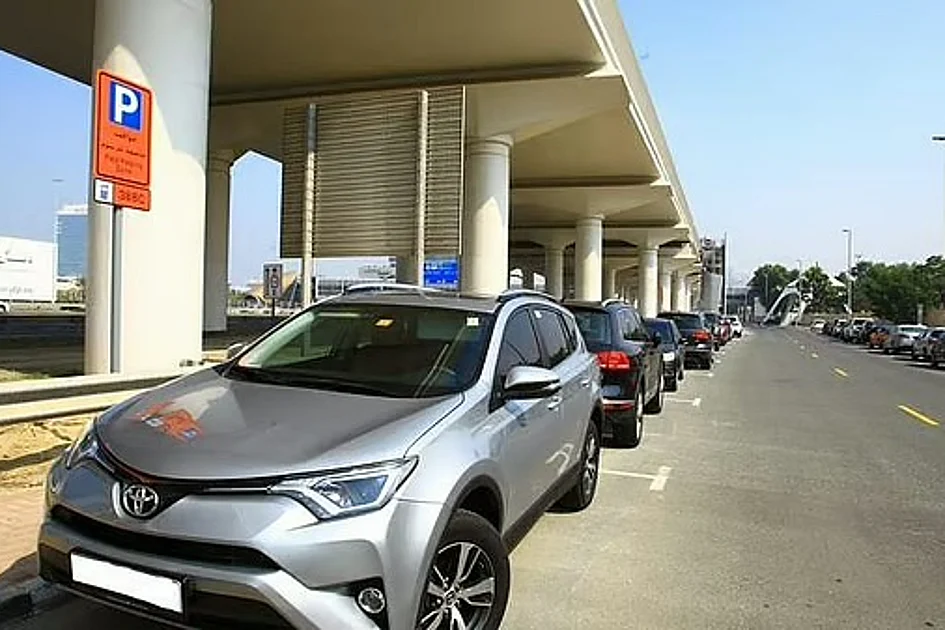
In observance of the holy month of Ramadan, which commenced in the United Arab Emirates on February 17, 2026, following the sighting of the crescent moon, municipal authorities across three emirates have implemented revised parking and toll fee schedules. These annual adjustments are designed to accommodate altered daily routines and support residents during this period of spiritual reflection.
Dubai’s Roads and Transport Authority (RTA) has established a bifurcated paid parking schedule effective from Monday through Saturday. The first fee period runs from 8:00 AM to 6:00 PM, followed by a second collection window from 8:00 PM until midnight. This structured timing intentionally provides a complimentary two-hour parking window around Maghrib (sunset) prayers, enabling residents to perform religious obligations and partake in Iftar meals without incurring parking costs. The RTA confirmed that multi-storey parking facilities will maintain 24/7 operations without interruption.
In the capital emirate, Q Mobility, administrator of the Darb toll gate system, announced adjusted peak timing tariffs. Toll charges have been set at Dh4 during morning commutes (8:00 AM to 10:00 AM) and evening periods (2:00 PM to 6:00 PM) from Monday to Saturday. Concurrently, Abu Dhabi’s public parking system will enforce fees across two daily intervals: 9:00 AM to 6:00 PM and 9:00 PM to 2:00 AM, with standard spaces costing Dh2 hourly and premium zones Dh3 per hour. Sundays will remain toll-free and parking-exempt throughout the capital.
Sharjah Municipality has implemented distinct regulations, maintaining free public parking on Fridays except for smart parking facilities and zones designated for continuous weekly fees, including public holidays. From Saturday to Thursday, paid parking hours will extend from 8:00 AM until midnight, ensuring consistent enforcement while respecting religious observances.
These coordinated transportation policy adaptations reflect the UAE’s commitment to facilitating comfortable religious observance while maintaining urban mobility and regulatory consistency during Ramadan’s unique temporal rhythms.