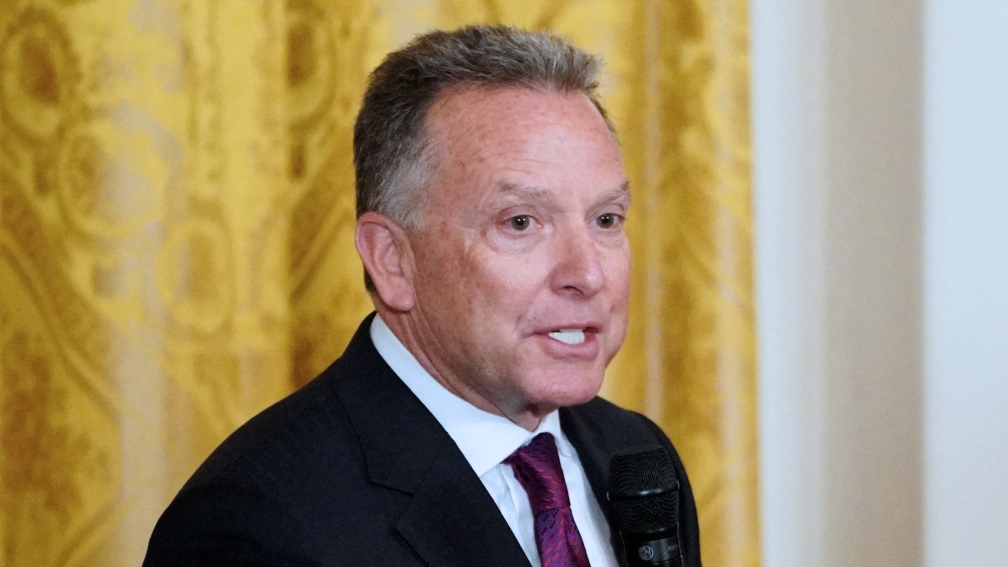
In a significant diplomatic development, the United States facilitated a high-level meeting between Israeli and Qatari officials in New York on Sunday, marking the first such engagement since Israel’s controversial airstrikes on Doha in September. The session was orchestrated by US Middle East envoy Steve Witkoff, who convened discussions with David Barnea, head of Israel’s Mossad intelligence agency, and a senior Qatari representative.
The dialogue occurs amid preparations for the second phase of Gaza peace negotiations and represents a crucial attempt to mend fractured relations between the nations. According to sources familiar with the matter, Israel intended to address multiple concerns beyond the immediate diplomatic rift, including Qatar’s Al Jazeera network coverage, which Israel perceives as hostile, Doha’s alleged support for the Muslim Brotherhood, and its backing of pro-Palestine movements on academic campuses.
Qatar had previously served as a principal mediator in ceasefire talks between Israel and Hamas until September 9th, when Israeli forces conducted unauthorized airstrikes on Qatari territory. The attack targeted a building where Hamas leaders were evaluating peace proposals, resulting in six fatalities, including one Qatari citizen. Doha maintains that Washington provided only ten minutes’ advance notice following the strikes, not beforehand.
The incident prompted a personal apology from Israeli Prime Minister Benjamin Netanyahu to Qatari Prime Minister Mohammed bin Abdulrahman al-Thani, arranged during a White House visit on September 29th by former President Donald Trump. The Trump administration subsequently finalized a security guarantee agreement with Qatar to address sovereignty concerns.
Despite Qatar’s return to mediation efforts, tensions persist. At Saturday’s Doha Forum conference, al-Thani emphasized that current negotiations cannot yet be classified as a ceasefire, insisting that any genuine truce requires complete Israeli withdrawal from Gaza and restored stability for its inhabitants. Meanwhile, Israel continues to occupy 56% of the Gaza Strip, with over 71,000 Palestinian casualties recognized by the United Nations and human rights organizations as meeting criteria for genocide.