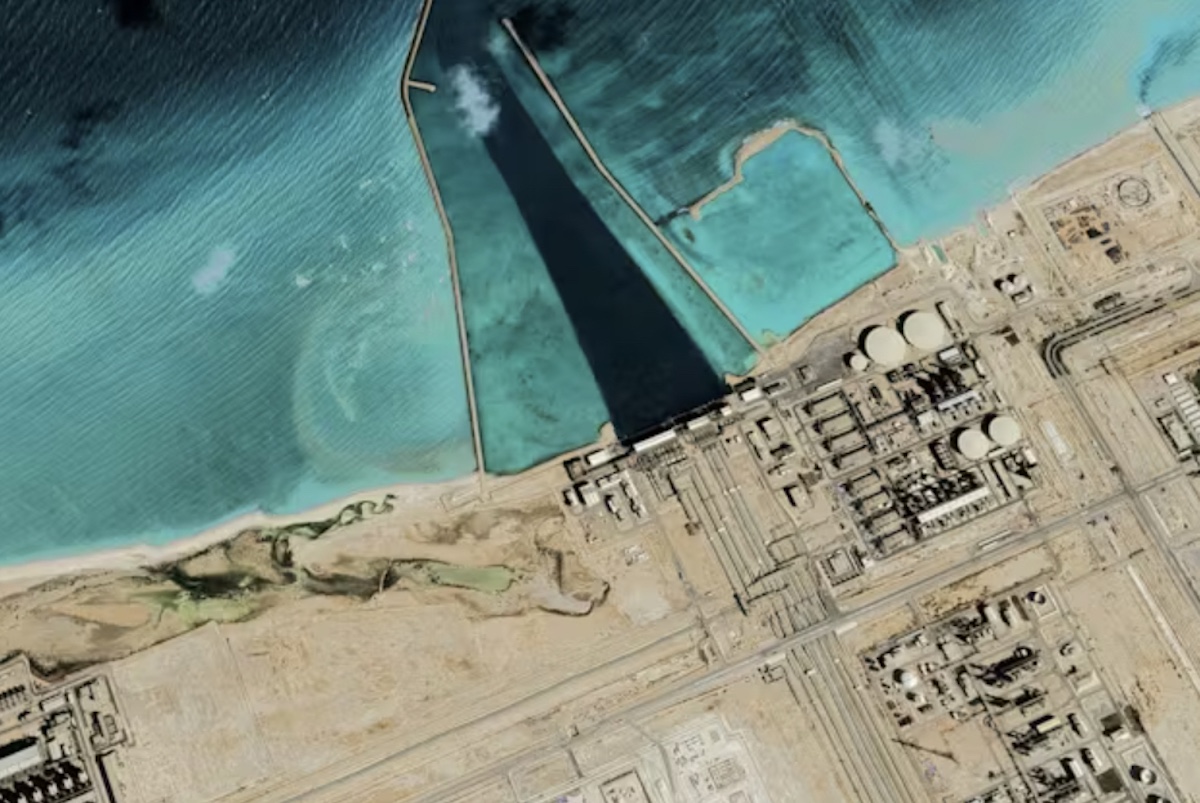
A devastating Iranian missile and drone attack on March 19 has inflicted catastrophic damage upon Ras Laffan, the world’s largest liquefied natural gas terminal located in Qatar. This critical facility, responsible for supplying approximately 20% of global LNG demand, suffered extensive destruction across its 295-square-kilometer complex, with fires raging through its gas-to-liquids infrastructure.
The assault has resulted in unprecedented financial losses, potentially reaching hundreds of millions of dollars in immediate damage. QatarEnergy CEO Saad Sherida al-Kaabi indicated the company may declare force majeure on long-term contracts, potentially disrupting LNG supplies to Italy, Belgium, Korea, and China for up to five years.
The attack exposes the extraordinary vulnerability of global energy infrastructure. LNG operations require extremely complex technology to maintain methane at -162°C, consuming approximately 15% of extracted gas during liquefaction and transportation. Ras Laffan’s infrastructure, developed over decades at a cost of tens of billions of dollars, represents precisely the type of highly specialized facility that cannot be rapidly replaced.
Geopolitically, the strike highlights the complex energy relationship between Qatar and Iran, whose shared North Field/South Pars gas reservoir represents the world’s largest natural gas field. While Qatar exports most of its production, Iran primarily consumes its gas domestically.
Repairing the damaged facility—affecting roughly 17% of Qatar’s LNG infrastructure—presents extraordinary technical challenges. The process requires gradual temperature adjustments to prevent structural damage, with massive components including 50-meter heat exchangers and 5,000-metric-ton compressors that cannot be quickly manufactured or replaced.
The global impact will be most acutely felt in Asia, where approximately 75% of Qatar’s LNG exports typically flow to China, India, Taiwan, South Korea, and Pakistan. European nations including Italy, Belgium, and Poland will also experience supply disruptions, though the UK remains less dependent on Qatari imports.
This supply shock has already driven European gas benchmark prices to more than double since mid-January. The situation may force energy-importing nations toward cheaper alternatives, particularly coal, potentially reversing environmental progress. Unlike temporary oil disruptions, this LNG shortage represents a structural crisis that may keep global gas prices elevated for several years, fundamentally reshaping energy markets and international relations.