HANOI, Vietnam — Internal Vietnamese military documents reveal significant apprehension regarding American intentions, despite the two nations formally elevating diplomatic relations to the highest level just a year prior. A report published Tuesday by The 88 Project, a human rights organization, details these documents, which label the United States a “belligerent” power and outline preparations for a potential American “war of aggression.
The most striking document, titled “The 2nd U.S. Invasion Plan,” was authored by Vietnam’s Ministry of Defense in August 2024. It posits that while seeking to strengthen its deterrence against China, the U.S. and its allies are prepared to employ unconventional warfare, military intervention, and even large-scale invasions against nations perceived as deviating from its sphere of influence. Although the assessment concludes the immediate risk of war is low, it emphasizes the need for vigilance against Washington’s “belligerent nature” and its potential to “create a pretext” for an invasion.
This internal perspective starkly contrasts with the public diplomatic posture. In 2023, President Joe Biden and Vietnamese officials signed a Comprehensive Strategic Partnership, elevating the U.S. to the same diplomatic tier as China and Russia. The U.S. State Department, while declining to comment on the specific military document, reaffirmed its commitment to this partnership, stating it “promotes prosperity and security for both nations” and benefits a free and open Indo-Pacific.
Analysts interpret these documents as evidence of a profound internal divide within Vietnam’s leadership. The military and conservative party factions remain deeply skeptical of U.S. motives, primarily fearing Washington’s ultimate goal is to instigate a “color revolution” to overthrow the socialist government—a concern that outweighs even anxieties about regional rival China. This fear is rooted in historical context, including the memory of the Vietnam War and more recent actions, such as the Trump administration’s cuts to USAID programs, which disrupted critical projects like Agent Orange cleanup efforts.
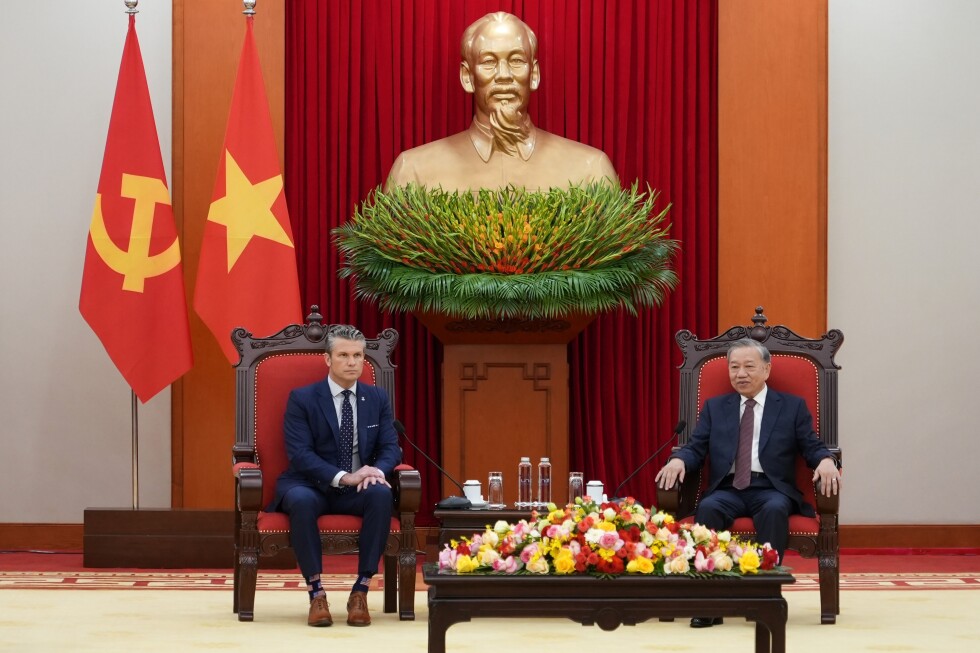
The political landscape is further complicated by the new leadership of General Secretary To Lam, who has simultaneously pursued stronger ties with the U.S., including swift cooperation with Trump-era initiatives, while presiding over a military apparatus that views America with deep suspicion. Recent U.S. military actions, such as the operation against Venezuela’s Nicolás Maduro, have provided fresh justification for conservative elements wary of Washington’s willingness to violate sovereignty. Ultimately, Vietnam continues to perform a delicate balancing act, engaging economically and diplomatically with the U.S. while its internal security apparatus prepares for a potential confrontation.