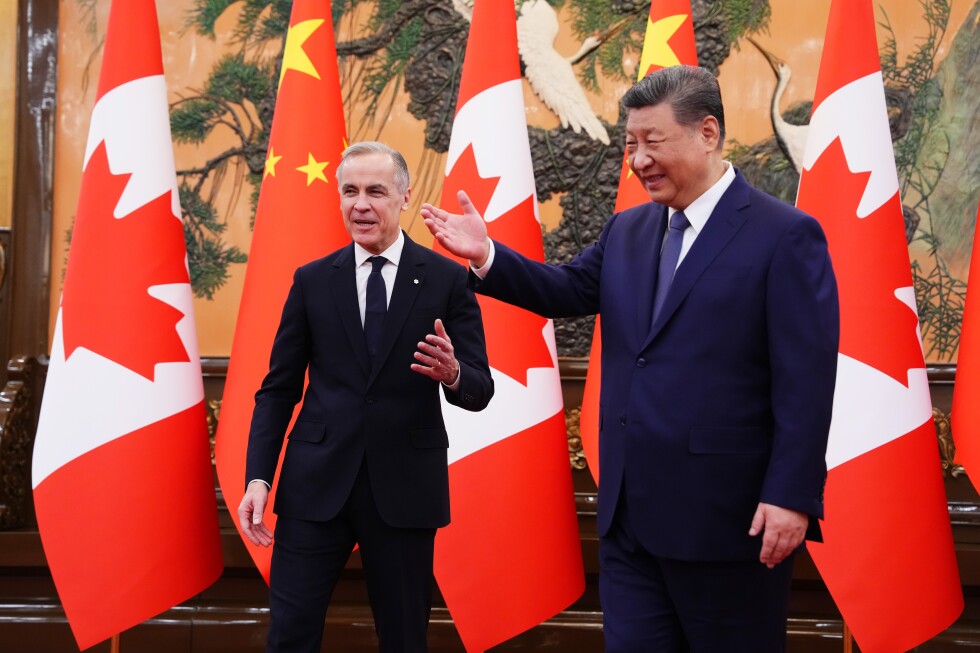
In a significant geopolitical realignment, Western nations are actively pursuing warmer relations with China, creating a new dynamic in international diplomacy. This strategic shift comes as these countries seek to navigate an evolving global landscape and assert their economic interests independent of traditional alliances.
Canadian Prime Minister Mark Carney recently concluded a landmark trade agreement with Beijing that substantially reduces tariffs on Chinese electric vehicles and Canadian canola oil. This development was quickly followed by UK Prime Minister Keir Starmer’s Beijing visit—the first by a British leader in eight years—aimed at repairing strained bilateral relations. The diplomatic momentum continues with anticipated visits from German Chancellor Friedrich Merz and recent engagements with Finnish Prime Minister Petteri Orpo.
This recalibration of foreign policy approaches reflects a broader transformation in international relations since the return of Donald Trump to the American presidency. Traditional U.S. allies are increasingly exploring opportunities with China following tensions with the Trump administration over tariff policies and unconventional demands, including the controversial suggestion regarding Greenland’s transfer from Denmark.
European leaders are proceeding with what many describe as ‘strategic engagement’ with China despite potential repercussions from Washington. As Canadian Prime Minister Carney stated at the World Economic Forum in Davos, ‘We actively take on the world as it is, not wait around for a world we wish to be.’
The diplomatic outreach has yielded concrete results: the UK-China partnership has produced agreements on reduced tariffs for Scotch whisky and implemented 30-day visa-free travel for British citizens. Similarly, Finland has secured cooperation agreements covering sustainable construction, energy, and animal disease management.
However, this geopolitical reorientation has generated concern among some U.S. officials and analysts. Senator Jeanne Shaheen warned that instead of creating a united front against China, Western nations risk pushing allies toward Beijing. President Trump characterized these engagements as ‘very dangerous,’ particularly criticizing Canada’s trade arrangements.
European officials acknowledge the complexities of dealing with China’s ‘economic coercive practices’ while simultaneously pursuing diversified international partnerships. According to analysts, this represents not a wholesale pivot to China but rather Europe’s effort to assert itself as an independent bloc in global affairs.
China’s strategy appears focused on maintaining market access to affluent European consumers while offering limited concessions to European businesses in its domestic market. As one expert noted, ‘They need Europe, but they don’t need to fight for Europe.’
The emerging diplomatic landscape suggests an irreversible transformation in how nations align themselves with the world’s two superpowers, potentially creating new divisions within Western alliances while offering middle powers opportunities for strategic maneuvering.