PARIS — A critical gathering of Ukrainian allies convened in Paris on Tuesday to deliberate post-ceasefire security arrangements, though the proceedings encountered unexpected complications due to shifting American geopolitical priorities. The summit, orchestrated by French President Emmanuel Macron, assembled an unprecedented delegation of 35 participants including 27 heads of state and government, all dedicated to formulating concrete security guarantees for Ukraine against potential future Russian aggression.
The original American delegation, initially slated to be led by Secretary of State Marco Rubio, underwent last-minute restructuring following Washington’s heightened engagement with Venezuelan affairs. The United States instead dispatched envoys Steve Witkoff and Jared Kushner to represent President Trump’s administration. This diplomatic rearrangement occurred despite prior indications of substantive progress in multilateral discussions regarding Ukrainian security frameworks.
Central to the negotiations were five pivotal security priorities: ceasefire monitoring mechanisms, sustained support for Ukraine’s armed forces, potential deployment of multinational forces across various domains, contingency plans for renewed Russian aggression, and long-term defense cooperation agreements. European leadership, particularly France and Britain, have championed a comprehensive approach that would strengthen Ukraine’s military capabilities through advanced weaponry, specialized training, and intelligence sharing.
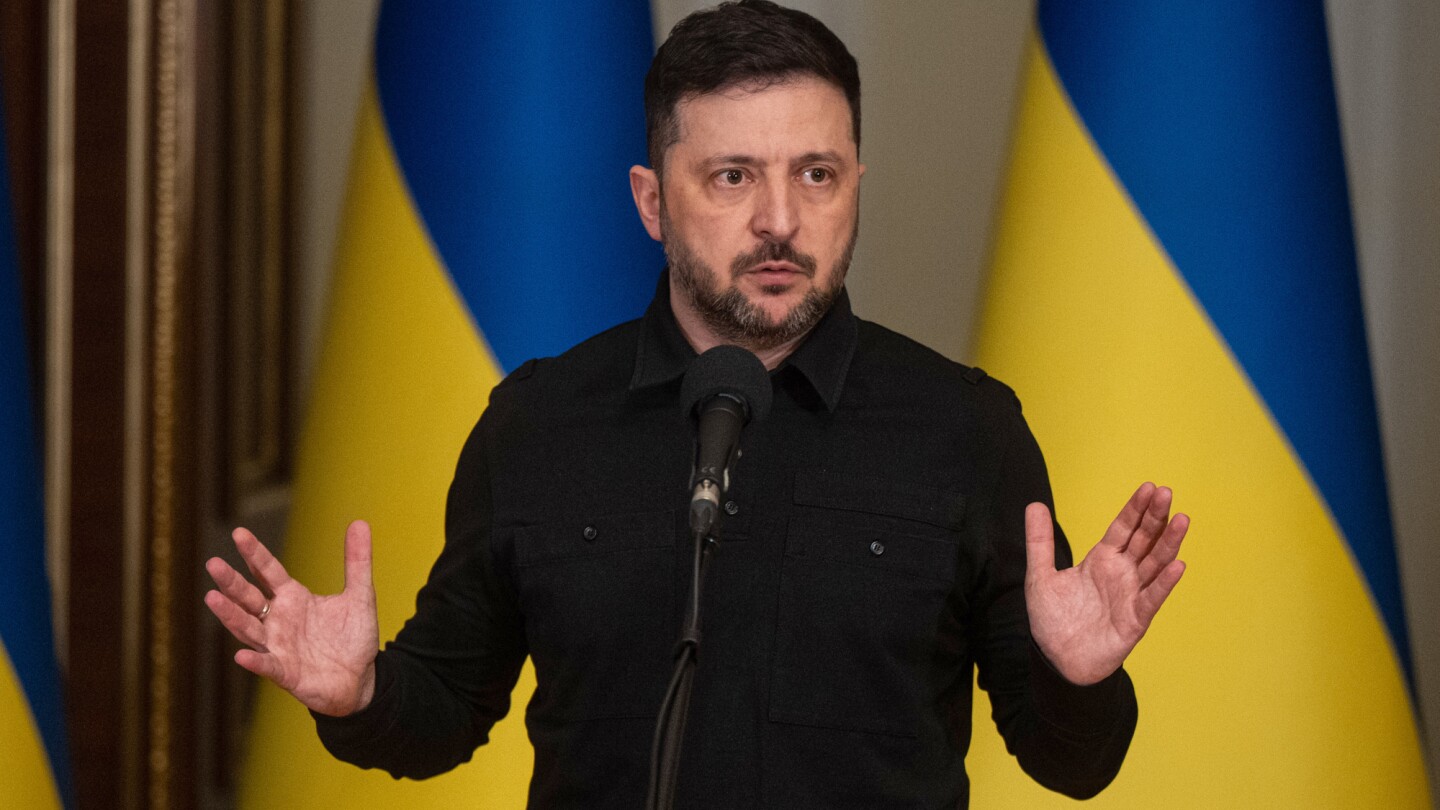
President Volodymyr Zelenskyy expressed cautious optimism while acknowledging implementation challenges, noting that parliamentary approvals across multiple nations might complicate military commitments. The Ukrainian leader emphasized that meaningful participation from nuclear-capable European powers would be essential for the coalition’s credibility, suggesting that alternative support mechanisms including sanctions and financial assistance could supplement defense arrangements.
The Paris meeting represents the culmination of months of diplomatic efforts by the so-called ‘coalition of the willing,’ though the ultimate effectiveness of these security guarantees remains contingent on sustained international engagement and resolution of critical operational details.