Tensions are escalating in Venezuela as human rights advocates and families of detainees intensify demands for the immediate release of all remaining political prisoners. The interim government faces mounting international and domestic pressure following the ousting of former leader Nicolás Maduro.
According to documentation from Foro Penal, a prominent human rights organization monitoring detainee cases, Venezuelan authorities have released 444 political prisoners since U.S. forces captured Maduro in January. However, the organization confirms that hundreds more remain incarcerated despite increasing demands for their freedom.
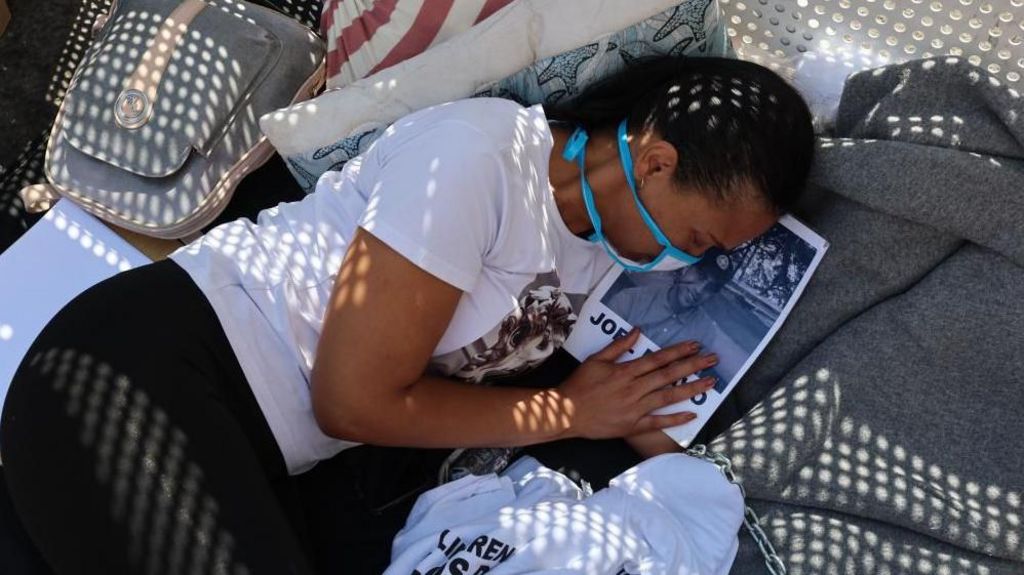
The situation has grown increasingly urgent as relatives of imprisoned individuals have undertaken hunger strikes outside the Zona 7 detention facility in Caracas. Visual evidence circulated by opposition group Vente Venezuela shows at least one protester requiring medical attention after their health deteriorated significantly. Ten individuals initiated the hunger strike on Saturday, joining a vigil that has continued since January 8th.
While the Trump administration has acknowledged the interim government’s progress, Venezuelan activists criticize the process as dangerously slow and lacking transparency. Opposition figures further allege that released prisoners face severe restrictions, citing the case of politician Juan Pablo Guanipa who was rearrested hours after his February 8th release and placed under house arrest for allegedly violating release conditions.
The political confrontation has expanded to include student demonstrations calling for comprehensive amnesty for those imprisoned during Maduro’s crackdown on government critics. Interim leader Delcy Rodríguez has proposed amnesty legislation that passed its initial reading unanimously on February 5th. However, legislative progress stalled last week as lawmakers failed to reach consensus on implementation mechanisms, with further discussions anticipated this week.