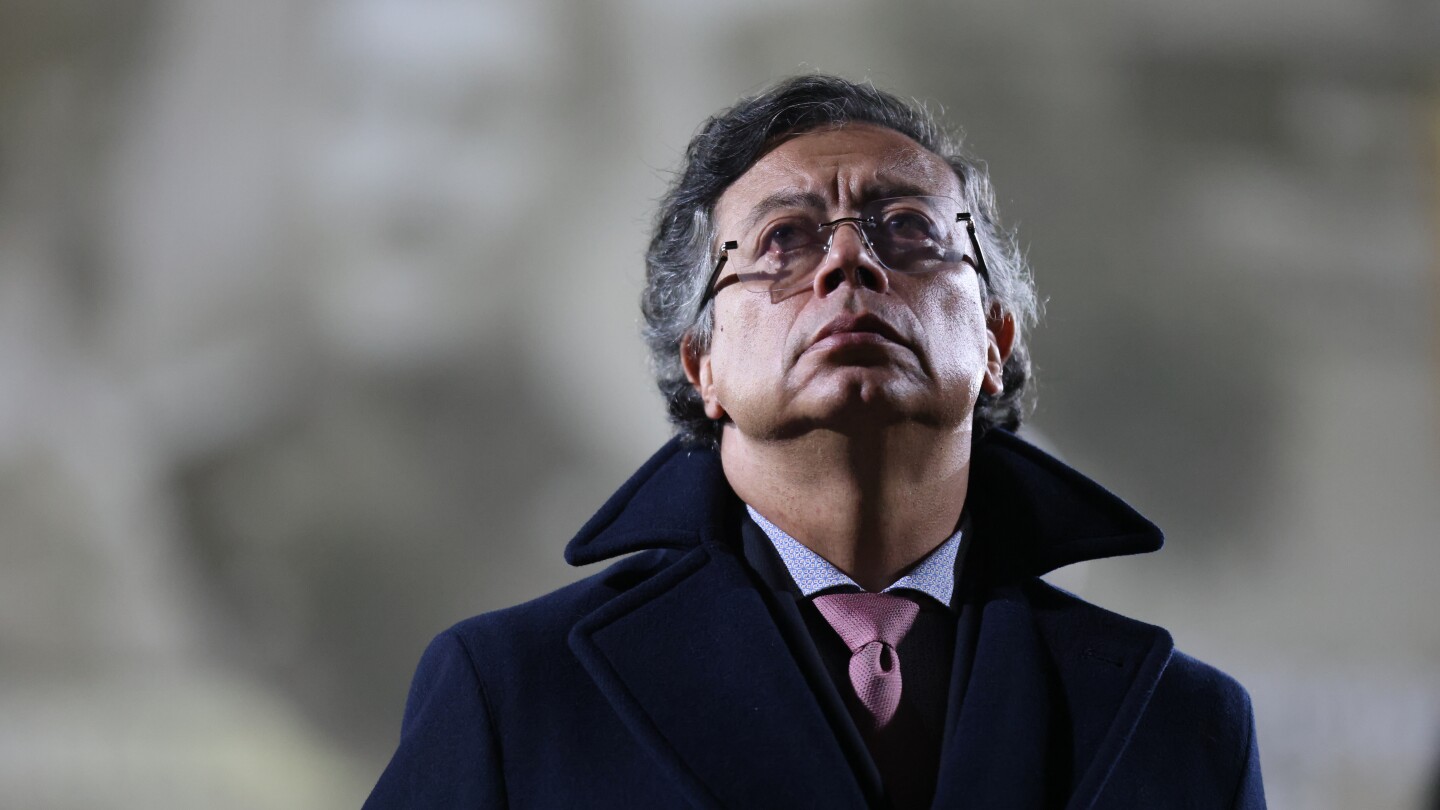
BOGOTÁ, Colombia — Colombian President Gustavo Petro has launched an unprecedented diplomatic offensive against the United States following its military operation to capture Venezuelan leader Nicolás Maduro, creating the most severe bilateral crisis in decades between the traditional allies.
The left-wing leader condemned Washington’s actions as an “abhorrent violation of Latin American sovereignty” and drew historical parallels to Nazi Germany’s 1937 bombing of Guernica, Spain. In a dramatic escalation, Petro called for street protests to defend national sovereignty and convened emergency meetings with both the United Nations and Organization of American States.
The confrontation places Colombia in an increasingly precarious position. As America’s staunchest regional partner for thirty years, Colombia now balances maintaining crucial security cooperation against Petro’s political imperative to challenge Washington. The country remains central to U.S. counternarcotics strategy as the world’s primary cocaine producer, with experts noting Colombia provides vital intelligence for Caribbean drug interdiction efforts.
Michael Shifter of the Inter-American Dialogue think tank observed: “People are trying to tell Trump: ‘Look, you can punish Petro to the extent possible, but you don’t want to punish the country. That undermines the fight against drugs and is going to be harmful for the United States.’ But Trump is completely unpredictable.”
The animosity between leaders has been brewing for months. Petro has turned back U.S. military deportation flights, criticized drug interdiction methods as “murder,” and clashed with Trump over Gaza and immigration policies. Trump has responded by revoking Petro’s visa, imposing sanctions on his administration, threatening punitive tariffs, and labeling him a “lunatic” and “international drug leader.”
Despite the rhetoric, analysts consider actual military action against Colombia—a democratic nation unlike Venezuela—highly improbable. However, Trump’s increasing militaristic language about Latin America has caused growing alarm in Bogotá. Defense Minister Pedro Sánchez sought to reassure citizens that security cooperation continues uninterrupted, noting Washington has provided approximately $14 billion in assistance over two decades.
Foreign Minister Rosa Villavicencio confirmed Colombia is pursuing diplomatic solutions while preparing for “the possibility of aggression against our country by the United States,” highlighting the nation’s “highly trained, very well prepared army” that has long received U.S. training.