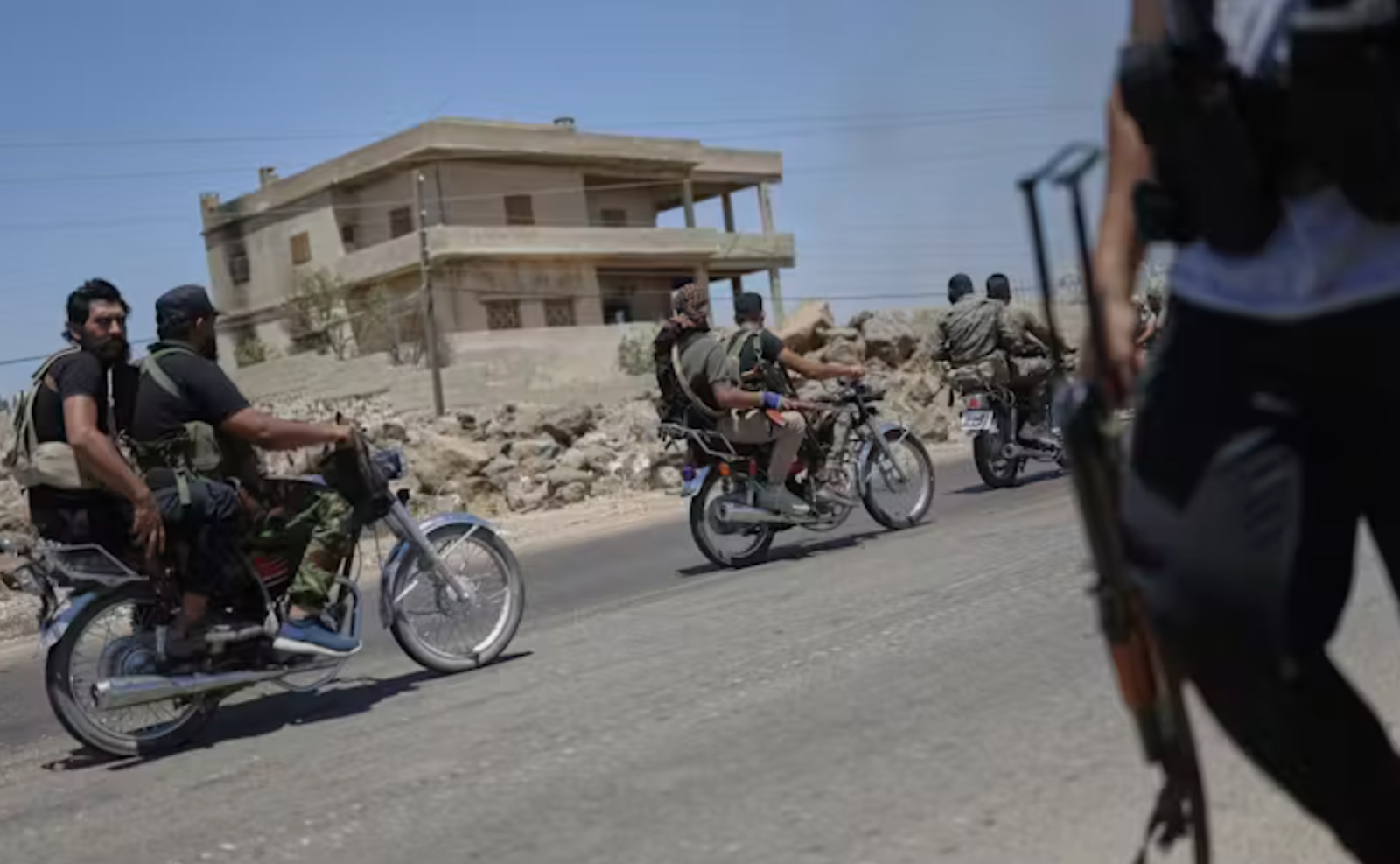
In July 2025, the southern Syrian province of Sweida became the epicenter of a deadly sectarian conflict between the Druze religious minority and Sunni Arabs, backed by government-affiliated forces. The clashes resulted in hundreds of casualties, prompting Israel to launch airstrikes in support of the Druze. This violence echoed the March 2025 massacres, where supporters of the former Assad regime targeted security units, leading to retaliatory killings of Alawites by militias aligned with the new Damascus government. Over 1,300 individuals, predominantly Alawites, were killed, with reports of entire families being executed. Despite government promises of investigations, extrajudicial killings, kidnappings, and home invasions persist, particularly against Alawites. The conflict underscores the deep-seated sectarian divisions in post-Assad Syria, where religious minorities like the Alawites and Druze face systemic marginalization and violence. While the new government seeks to project unity, its fractured control and the historical stigmatization of these groups continue to fuel instability. International efforts, including U.S.-brokered ceasefires and Israeli military support for the Druze, add further complexity to the region’s fragile political landscape.