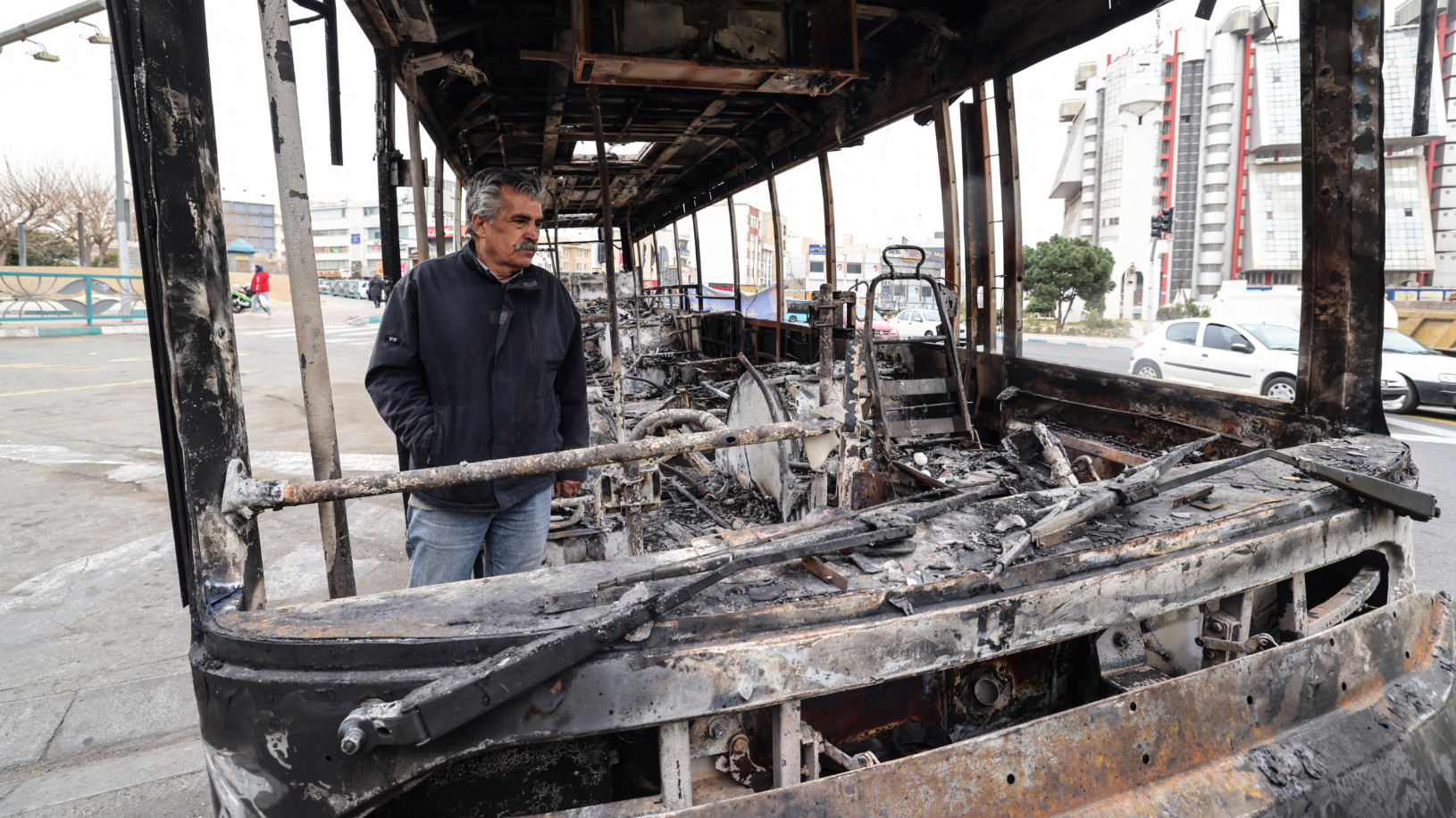
A looming U.S. military confrontation with Iran has been temporarily averted following Tehran’s assurance that it would not carry out executions of anti-government demonstrators. President Donald Trump announced from the Oval Office that “very important sources” had provided guarantees that planned executions would not proceed, prompting a cautious American stance of “watch and see.”
The development follows days of escalating tensions that saw Iran close its airspace for five hours and Israeli municipalities open bomb shelters. Iranian Foreign Minister Abbas Araghchi denied execution plans, with state media subsequently reporting that Erfan Soltani, a 26-year-old arrested during Karaj protests, would not face capital punishment.
Human rights organizations report staggering casualties from the unrest that began December 28th over economic grievances. Norway-based Iran Human Rights documented at least 734 protester deaths, while other estimates exceed 3,400 fatalities. More than 10,000 individuals have been arrested during the suppression of demonstrations that intensified after Supreme Leader Ali Khamenei declared rioters “must be put in their place.”
Iranian officials accused Israel of orchestrating violence to provoke American intervention, with Revolutionary Guard commander Mohammad Pakpour stating Iran maintains “height of readiness” to respond to enemy miscalculations. The regime has warned it would strike Israeli and U.S. military bases if attacked.
The international community has responded with heightened caution. Germany’s Lufthansa suspended flights through Iranian airspace, while Britain closed its Tehran embassy and India advised citizens to depart. The UN Security Council will convene to address the crisis after U.S. request, though Iran seeks condemnation of what it calls American destabilization efforts.
China and Turkey have urged restraint and dialogue, countering Washington’s rhetoric as diplomatic channels remain active amid the fragile truce.