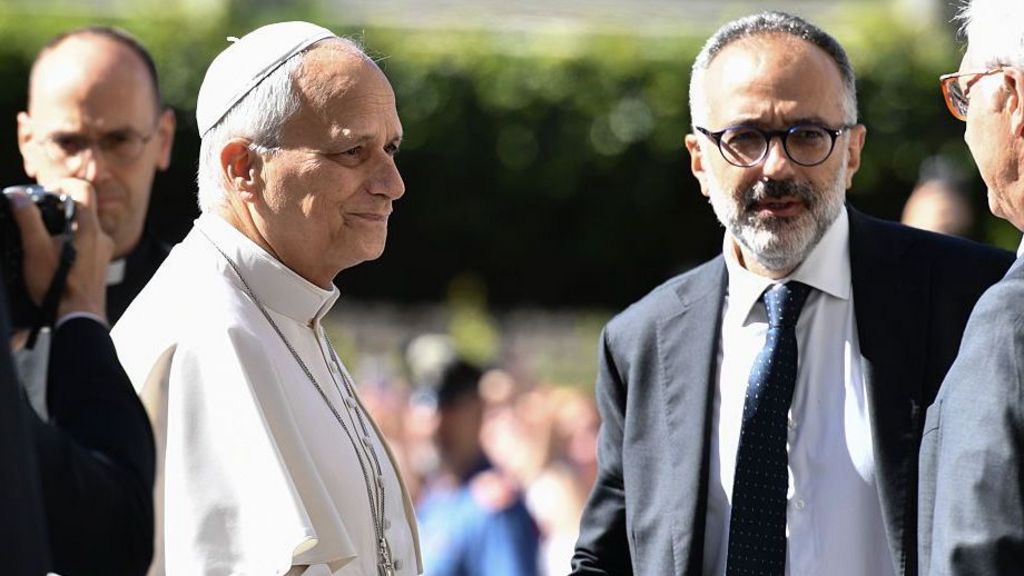
Vatican health transparency has evolved dramatically from the era of total secrecy that once shrouded papal medical updates. Even so, the global Catholic community was left reeling this week from the seismic announcement that Pope Leo XIV has been diagnosed with lung cancer, following surgery to remove a large portion of one of his lungs – even after a preliminary warning Sunday that doctors had detected a suspicious lung nodule.
On Tuesday, the 71-year-old pontiff underwent a 90-minute procedure at Rome’s Gemelli Hospital to remove the lower lobe of his right lung, after which medics confirmed a diagnosis of lung adenocarcinoma. Much of the global shock surrounding the news stems from the fact that there had been almost no public indications of serious health risk ahead of the announcement. A member of the Order of St Augustine, an organization rooted in the value of disciplined healthy habits, Pope Leo has long prioritized personal fitness – including regular weekly tennis matches, leaving many unprepared for a major cancer diagnosis.
As of this report, little is clear about the pontiff’s long-term prognosis, what follow-up treatments he may require, or how his daily schedule and public duties will shift going forward. Vatican officials have confirmed the Pope will remain at Gemelli Hospital for one week to recover from the invasive procedure, but many key details about his condition remain undisclosed.
One of the first major public engagements now at risk of cancellation is Pope Leo’s scheduled November trip to South America, which includes a stop in Peru – the country where he lived and worked for more than 20 years. Lung surgery rules out long-haul air travel in the immediate recovery period, and several planned stops on the tour are located at high altitude, making the trip unfeasible in his current condition.
Looking at the broader context of the modern papacy, Pope Leo’s predecessor, Pope Francis, entered the role openly acknowledging he expected to serve only a few short years due to lifelong pre-existing health complications. Francis used that limited expected timeline to push forward sweeping, often characterized as radical, change within the Catholic Church at an accelerated pace.
In contrast, Pope Leo’s 18-month papacy has followed a far more measured trajectory, but he has nonetheless quickly emerged as a clear, compassionate, and unflinching moral voice on the global stage. His public messaging has stood out for its uncompromising clarity on issues ranging from opposition to armed conflict, defense of migrant dignity, to warnings about the unregulated risks of artificial intelligence. He has also made notable progress uniting the Catholic Church’s once-fractious progressive and traditionalist factions, with both sides frequently framing him as a leader who reflects their core values – a achievement many thought barely possible in the current era of ecclesial division.
Even though the surgery has been reported as successful, the lack of clarity about the next steps for Pope Leo’s health has already sparked widespread speculation about whether a cancer diagnosis will push the pontiff to accelerate his agenda for the institutional changes he has identified as necessary. On the other hand, a sudden rush to advance dramatic doctrinal shifts would run counter to the measured, thoughtful, stability-focused leadership style Pope Leo has displayed throughout his time as pontiff, making that outcome unlikely for the foreseeable future.