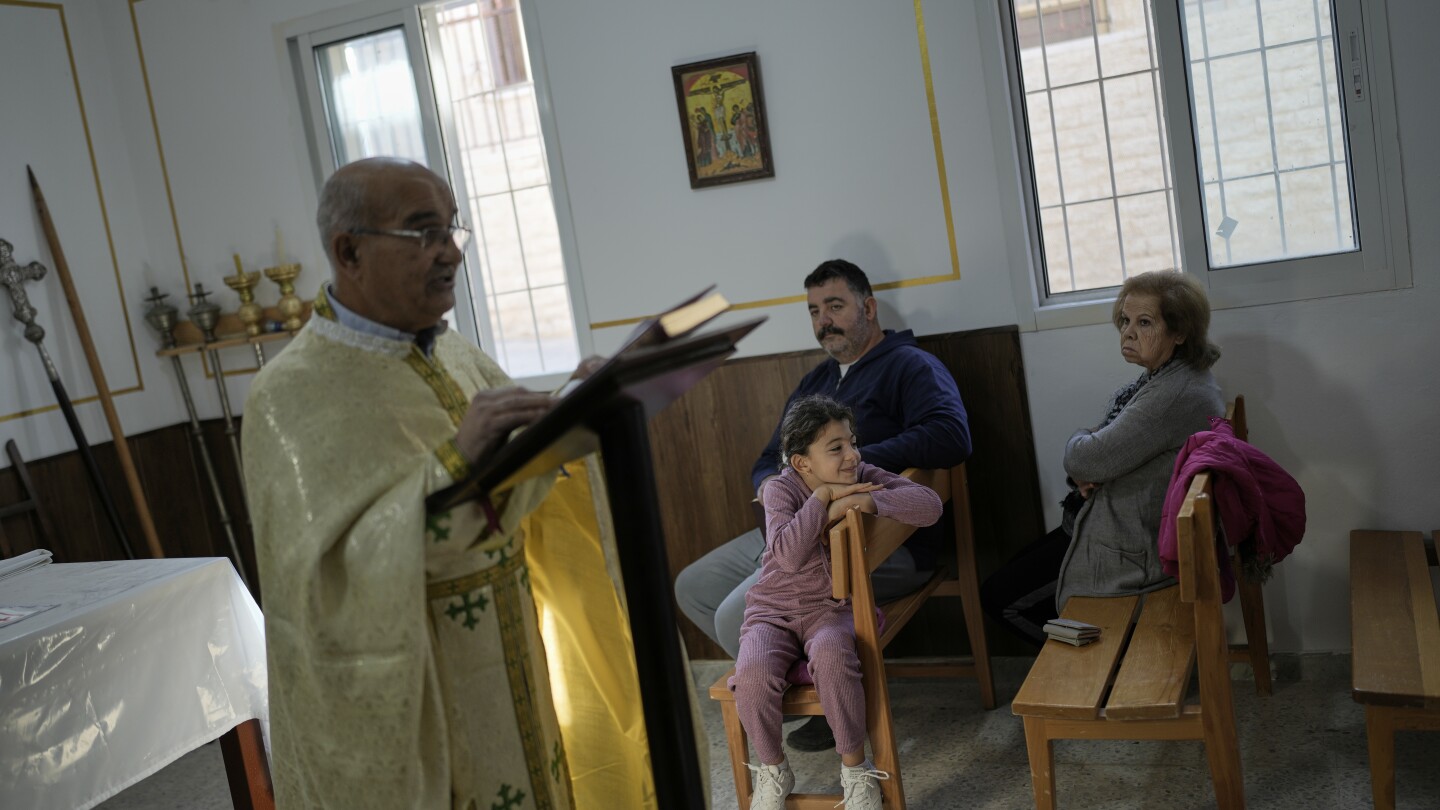
In a small Beirut apartment, Mireille Khoury lights a candle each evening beside a portrait of her late son, Elias, who tragically lost his life in the catastrophic August 2020 Beirut port explosion. This ritual is a poignant reminder of her ongoing quest for justice, shared with other families who have organized monthly protests since the disaster. Despite dwindling numbers and a stalled investigation, the upcoming visit of Pope Leo XIV to Lebanon has reignited a flicker of hope for Khoury and many others in this crisis-ridden nation. ‘We need a lot of prayers, and we need a miracle for this country to continue,’ Khoury expressed, as she prepares to join the pontiff in a silent prayer at the explosion site during his visit. Pope Leo’s journey, commencing on Sunday, marks his first official foreign trip and fulfills a promise made by his predecessor, Pope Francis, to visit Lebanon, a country where Christians constitute about a third of the population. This visit, the fourth by a pope to Lebanon, carries a profound message of solidarity at a time when the country grapples with regional instability and internal crises. Since 2019, Lebanon has endured political unrest, economic collapse, the port explosion, and the devastating Israel-Hezbollah war, which left over 4,000 dead and caused $11 billion in damages. For many Lebanese, divine intervention seems the only remedy. In the village of Dardghaya, a mixed Christian and Shiite Muslim community, worshippers gathered in a basement room for Mass, their century-old Greek Melkite church still in ruins from an Israeli strike. Despite a U.S.-brokered ceasefire, Israel continues near-daily strikes in southern Lebanon, deterring many from returning to their homes. Father Maurice el Khoury, the church’s priest, expressed hope that Pope Leo’s visit would bring a radical change to Lebanon’s trajectory, emphasizing that the pope’s blessings are for all Lebanese, not just Christians. However, disappointment lingers in southern Lebanon, as the pope’s itinerary excludes the war-torn region, reminiscent of Pope Francis’ visit to Mosul in 2021. Georges Elia, a Dardghaya congregant, remains hopeful for a surprise papal visit to the south, a ‘sacred land’ in dire need of healing. Lebanon’s historical ties with the Vatican date back to its independence in 1943, with the Catholic Church playing a pivotal role in establishing institutions that benefited all communities. Historian Charles Hayek noted that Lebanon has always understood the importance of strong Vatican ties for a small country to be heard. Pope Leo’s schedule includes an interfaith dialogue in Beirut, continuing Pope Francis’ legacy of support for the port blast victims’ families. Khoury, who was unable to visit the Vatican due to emotional turmoil, hopes to meet the new pope and urge him to keep the investigation alive. ‘I live by the hope that I will be meeting my son one day,’ she said, her faith a beacon in these trying times.