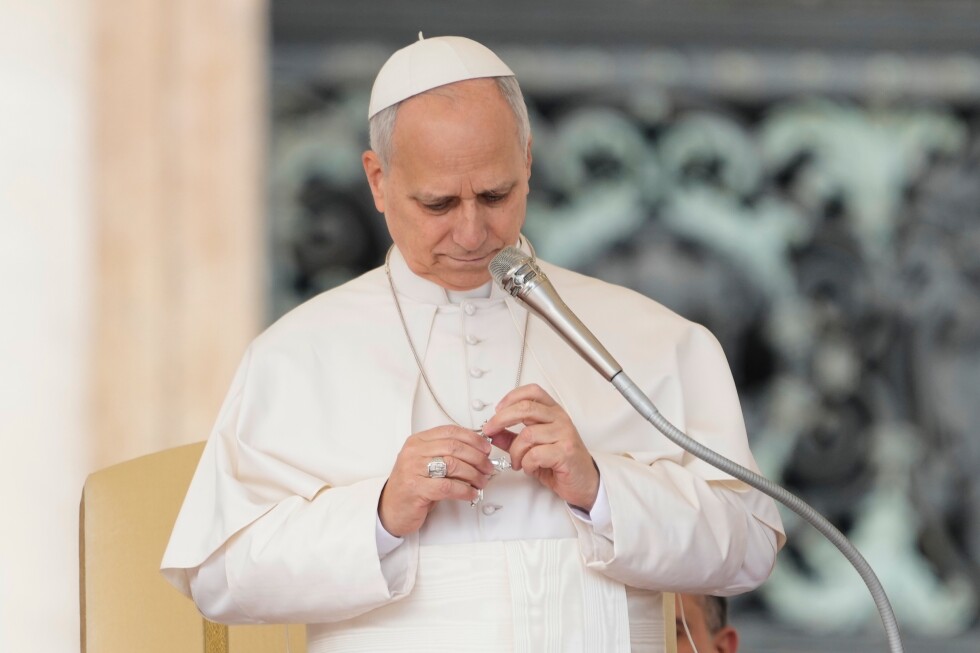
In a significant departure from tradition, Pope Leo XIV will accept the prestigious Liberty Medal from Rome via remote broadcast on July 3rd, rather than traveling to Philadelphia during the United States’ 250th anniversary celebrations. The first American pontiff, born Robert F. Prevost in Chicago and educated at Villanova University, will instead mark Independence Day on the Italian island of Lampedusa—a symbolic location known as a primary landing point for African migrants seeking refuge in Europe.
The National Constitution Center, which bestows the annual honor, announced the decision Monday, recognizing Pope Leo’s lifelong dedication to advancing religious freedom, conscience rights, and expression liberties worldwide—fundamental principles embedded in America’s First Amendment. The Liberty Medal traditionally celebrates individuals of exceptional courage and conviction who have significantly contributed to global liberty, with previous recipients including Ukrainian President Volodymyr Zelenskyy, the late Supreme Court Justice Ruth Bader Ginsburg, and civil rights icon Congressman John Lewis.
Vatican officials confirmed the Pope’s packed travel schedule for the year includes extensive tours throughout Italy and visits to four African nations, but explicitly excludes any journey to the United States despite a personal invitation from President Donald Trump. This strategic decision aligns with Pope Leo’s continued emphasis on migrant advocacy, following the path of his predecessor Pope Francis who made Lampedusa his first official visit outside Rome in 2013. During that historic trip, Francis conducted Mass on an altar constructed from wrecked migrant boats and condemned what he termed the ‘globalization of indifference’—a stance that previously created diplomatic tensions with the Trump administration.
The Pope’s deliberate choice to stand in solidarity with migrants on America’s independence celebration reinforces his commitment to humanitarian causes over ceremonial appearances, continuing the Vatican’s focus on global displacement crises despite the symbolic significance of the U.S. semiquincentennial.