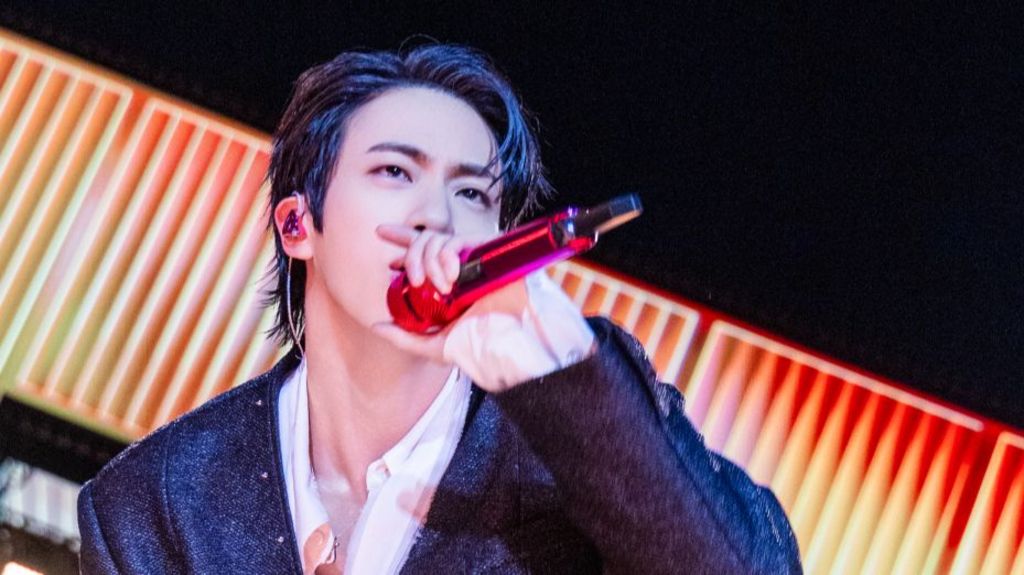
Seoul’s historic center underwent a spectacular transformation into a sea of purple as global K-pop phenomenon BTS made their triumphant return to the stage after a three-year hiatus due to mandatory military service. The monumental concert at Gwanghwamun Square marked not just a musical comeback but a cultural event of national significance.
Tens of thousands of dedicated fans, known as the BTS Army, flooded the historic district, creating an electric atmosphere with synchronized light sticks, traditional hanbok attire, and passionate chants. International admirers had traveled from across the globe, with many having waited years for this moment. Veronica and Amanda, who flew from the United States, expressed how the band’s absence had created both hardship and community: “That’s how we met,” Amanda noted, highlighting how the hiatus had brought fans together.
The production itself was a masterful blend of traditional Korean elements and contemporary performance artistry. The concert commenced with the deep resonance of the Divine Bell of King Seongdeok, seamlessly transitioning into tracks from their new album ‘Arirang’—a deliberate homage to Korean cultural heritage. The stage design incorporated the iconic Gwanghwamun gate as its backdrop, creating a striking visual representation of Korea’s past meeting its present.
While the setlist featured new material that initially challenged some listeners, the group balanced innovation with familiarity, delivering crowd-pleasing performances of global hits including “Butter,” “MIC Drop,” and “Dynamite.” The emotional finale came unexpectedly with “Mikrokosmos,” a 2019 track that offered a tender meditation on self-worth and hope.
The event was not without controversy, however. Critics questioned the allocation of substantial public resources—including thousands of police and fire personnel—for a concert exclusively streamed on Netflix. Concerns were raised about precedent-setting and the potential strain on public safety resources.
Despite these criticisms, the government defended its support, recognizing BTS as cultural ambassadors who have fundamentally shaped Korea’s global image and soft power. Music critic Lim Hee-yun contextualized the event: “Then we saw blue-eyed Westerners, tens of thousands of them gathered in a stadium. Crying and singing along to BTS. It’s the ultimate kookbbong [intense national pride].”
The concert served as a prelude to an extensive world tour spanning 34 stops and 88 shows, anticipated to generate billions in revenue while solidifying BTS’s legendary status in music history.