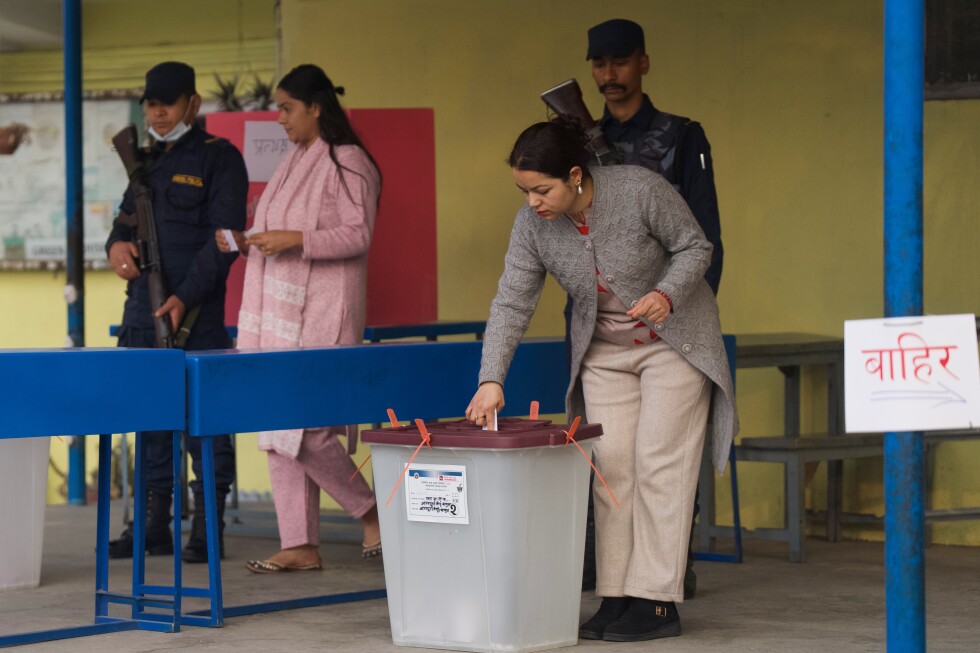
KATHMANDU, Nepal — Nepal commenced a landmark national election on Thursday, marking the first nationwide polling since last year’s violent youth-led uprising that toppled the previous government. This pivotal democratic exercise unfolds amid heightened security measures and widespread public anticipation for transformative leadership.
Approximately 19 million eligible voters across the Himalayan nation are participating in this electoral process, with security forces maintaining vigilant patrols and safeguarding polling stations. Authorities have implemented comprehensive restrictions, including vehicle bans on streets and prohibitions on political rallies and public gatherings, ensuring a secure environment for the democratic process.
The electoral system combines direct representation and proportional allocation: voters directly elect 165 members to the House of Representatives (the lower parliamentary chamber), while the remaining 110 seats in the 275-member legislature will be distributed through proportional representation based on party vote shares.
This election has evolved into a compelling three-way contest, reflecting profound voter dissatisfaction with systemic corruption and demands for enhanced governmental accountability. The newly established National Independent Party, founded in 2022, has emerged as the front-runner, challenging the longstanding dominance of the Nepali Congress and the Communist Party of Nepal (Unified Marxist–Leninist).
Leading this insurgent movement is 35-year-old rapper-turned-politician Balendra Shah, the party’s prime ministerial candidate. Shah, who previously secured the Kathmandu mayoral race in 2022, became a central figure in the 2025 uprising that ousted former Prime Minister Khadga Prasad Oli. His campaign has resonated particularly with younger demographics, focusing on healthcare and educational reforms for impoverished Nepalis.
The 2025 protests originated from opposition to a social media ban before escalating into a broad rebellion against governmental corruption and mismanagement. The demonstrations turned deadly when security forces opened fire on protesters attacking government buildings, resulting in dozens killed and hundreds injured.
While traditional parties maintain dedicated voter bases, Shah’s movement has demonstrated superior mobilization capabilities during campaign events, signaling shifting political allegiances among youth seeking alternatives. The incoming administration will confront significant challenges, including addressing protestors’ demands for reform, combating entrenched corruption, and navigating delicate diplomatic relations with neighboring powers India and China.
Vote counting begins later Thursday, with preliminary results anticipated over the weekend.