WARSAW, Poland — A significant political confrontation has erupted in Poland after President Karol Nawrocki vetoed critical legislation that would have enabled the country to access €44 billion in European Union defense loans. The move has triggered a severe governmental crisis and raised questions about Poland’s future defense capabilities amid ongoing regional security concerns.
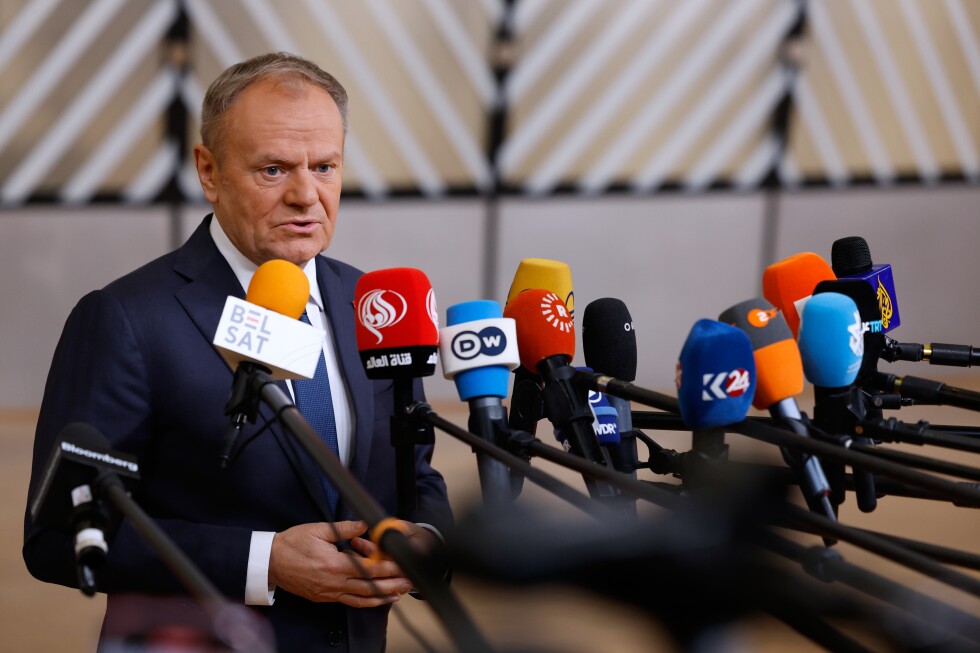
Prime Minister Donald Tusk expressed profound dismay at the presidential decision, characterizing the nation’s reaction as one of collective shock. “People are questioning whether this constitutes betrayal, the influence of lobbyists, or simply a failure of rational judgment,” Tusk stated during a Friday address following the veto announcement.
The blocked funds represent Poland’s allocated portion of the EU’s comprehensive €150 billion Security Action for Europe (SAFE) initiative, designed to strengthen continental defense readiness as American involvement in European security diminishes. Poland was positioned to be the principal beneficiary of this program.
President Nawrocki, who has established himself as a primary political adversary to Tusk, justified his veto by expressing concerns that participation in SAFE would increase national debt and enhance Polish dependency on Germany. Alternatively, Nawrocki proposed utilizing domestic resources to finance defense modernization—a suggestion dismissed by Tusk as economically unfeasible.
This confrontation highlights the deepening ideological divide between Poland’s liberal government, which favors EU collaboration, and its nationalist president, who maintains euro-skeptic views and stronger connections to the Trump administration. Despite the setback, Tusk affirmed his government’s determination to pursue the defense funds through alternative avenues, though acknowledging the process would now become “more difficult, slower, and require substantially greater diplomatic effort.
Adding international dimension to the controversy, the United States has publicly criticized the SAFE program, with American ambassadors to the EU and NATO contending that such European initiatives restrict market access for U.S. defense companies, potentially undermining collective defense through limited competition and innovation suppression.