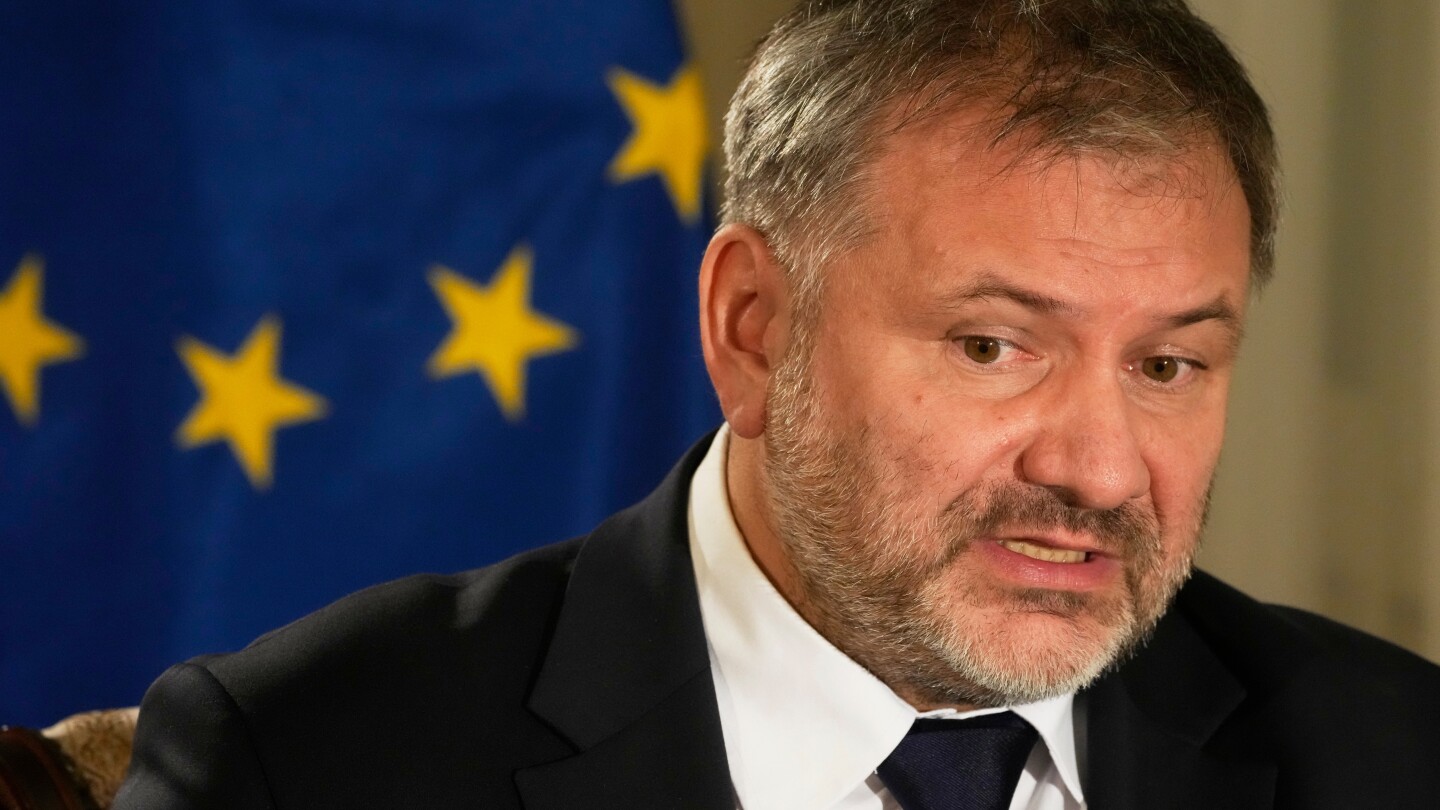
WARSAW, Poland — Two years into Donald Tusk’s government, Poland’s ambitious plans to reverse the judicial overhaul by its nationalist predecessor, Law and Justice (PiS), have encountered significant obstacles. PiS, which ruled from 2015 to 2023, consolidated political control over key judicial institutions by appointing sympathetic judges and punishing critics. These changes, condemned by European courts, have left Poland’s legal system in disarray. Despite Tusk’s promises to restore judicial independence, progress has been hindered by PiS-aligned presidents and deep political polarization. Tusk’s first justice minister, Adam Bodnar, was replaced in July due to perceived inaction. His successor, Waldemar Żurek, has adopted a more aggressive stance, pursuing legal action against PiS figures, including former Justice Minister Zbigniew Ziobro, accused of misusing funds for surveillance software. However, Żurek’s efforts face potential vetoes from President Andrzej Duda, a PiS ally. The government’s inability to pass reforms has led to a focus on prosecuting PiS allies, aiming to expose alleged abuses of power. Analysts warn that Poland’s judicial crisis is part of a broader democratic challenge, exacerbated by political polarization. Żurek emphasizes the need to engage with all citizens, not just legal experts, to safeguard democracy. Despite incremental progress, the path to restoring judicial independence remains fraught with challenges, as PiS remains a formidable political force.