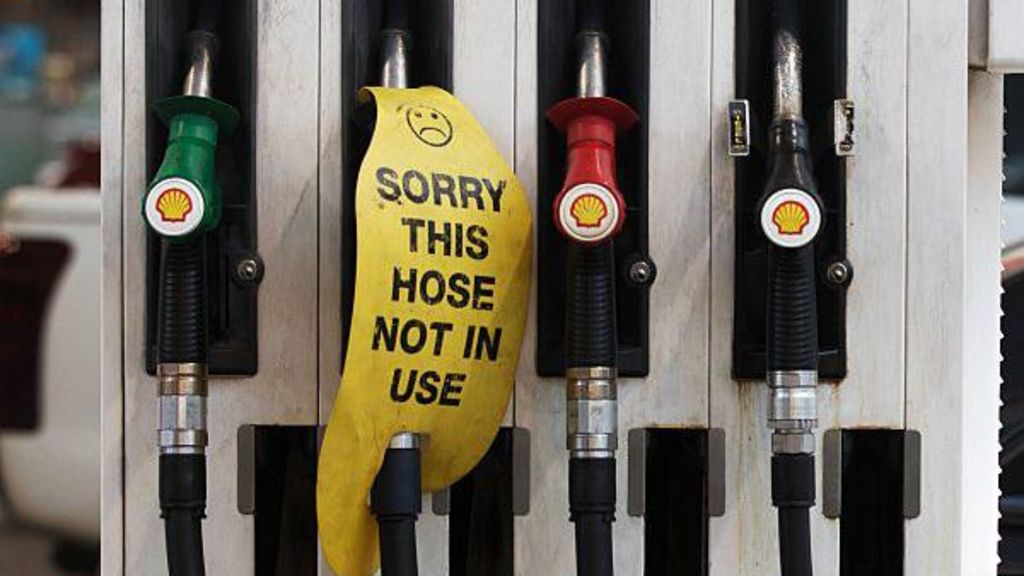
A severe fuel supply disruption is unfolding across Australia, with hundreds of service stations reporting shortages of at least one type of fuel this week. The crisis has been triggered by a perfect storm of international conflict and domestic panic buying, creating widespread logistical challenges and record-high prices.
The situation escalated following the closure of the Strait of Hormuz after the outbreak of war between the US, Israel, and Iran. This critical chokepoint for global oil shipments being blocked caused an immediate spike in international oil prices. In response, Australian motorists have engaged in widespread panic purchasing, with many filling jerry cans and storing fuel in garages, further straining distribution networks.
Prime Minister Anthony Albanese addressed the nation on Friday, seeking to reassure citizens about the country’s fuel security while acknowledging the significant challenges. “The longer this war goes on, the greater the impact will be. But we continue to act to prepare and shield Australians from the worst of it,” he stated during a press conference.
Energy Minister Chris Bowen, appearing alongside the Prime Minister, emphasized that the core issue is one of distribution and demand rather than actual supply volume. “For the next few weeks, Australia’s supply of petrol and diesel and oil will be the same, if not higher, than it normally would be,” Bowen asserted, indicating that physical fuel availability remains consistent with pre-war levels.
Price data reveals the dramatic impact on consumers. The Australian Institute of Petroleum reported the average retail petrol price reached 238 Australian cents per liter as of Sunday, a sharp increase from 171 cents just four weeks earlier. Diesel prices have hit unprecedented levels, with the National Roads and Motorists’ Association recording prices of 314.5 cents per liter in Sydney as of Thursday.
NRMA spokesperson Peter Khoury explained the behavioral factors exacerbating the situation: “People are filling up jerry cans of fuel and storing it in their garages. We’re hearing increasingly of transport companies telling their drivers that if you’re half full and you see diesel, buy it.”
The crisis has particularly impacted independent petrol stations, which lack the long-term supply contracts that major retailers benefit from. These contracts are being prioritized by oil companies, leaving smaller operators struggling to secure inventory.
Adding to the complexity, a cyclone in Western Australia has triggered outages at two of the world’s largest LNG plants—Gorgon and Wheatstone—which collectively supply approximately 5% of the global market according to operator Chevron. This development has placed additional pressure on energy markets worldwide.
The government has responded with several measures, including releasing oil from the national stockpile and temporarily lowering fuel standards to increase available supply. While ruling out rationing thus far, Prime Minister Albanese is convening an emergency national cabinet meeting on Monday to develop a comprehensive response strategy to manage the escalating crisis.