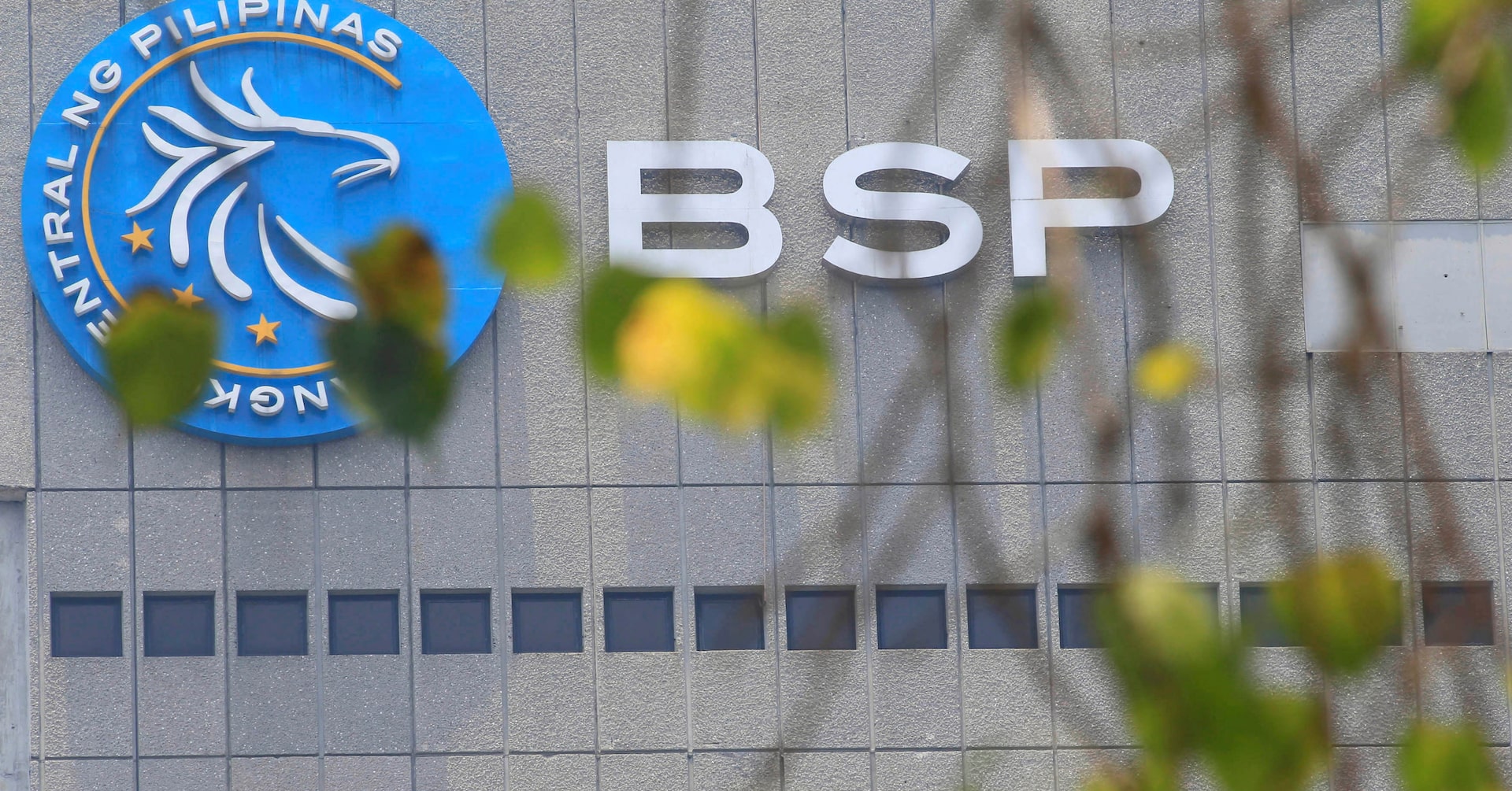
The Bangko Sentral ng Pilipinas (BSP), the central bank of the Philippines, has introduced stringent measures to monitor large cash withdrawals in a bid to combat money laundering and illegal financial activities. Effective immediately, banks are required to conduct “enhanced due diligence” for transactions exceeding 500,000 pesos (approximately $8,748.75). This directive, outlined in a circular issued on September 18, mandates that such transactions be traceable through methods like cheques, online transfers, direct credits to deposit accounts, or digital payments. The regulation applies to both single transactions and cumulative transactions within a single banking day. The BSP emphasized that this reform aims to bolster safeguards against the misuse of cash for illicit purposes, enhance public trust in the financial system, and address emerging risks. Banks are also permitted to set lower thresholds based on their internal risk assessments and customer profiles. This move aligns with the Philippine government’s broader anti-corruption campaign, which has already led to the freezing of over a hundred bank accounts linked to contractors and public officials under investigation for alleged irregularities in infrastructure projects. President Ferdinand Marcos Jr. has established an independent commission to spearhead corruption inquiries, particularly focusing on flood control expenditures, which have drawn scrutiny following devastating storms. Meanwhile, civil society groups, including church leaders, are organizing anti-corruption rallies on September 21, coinciding with the anniversary of the declaration of martial law by former President Ferdinand Marcos Sr., a period widely regarded as a dark chapter in Philippine history.
Philippines central bank tightens rules on large cash withdrawals amid corruption crackdown