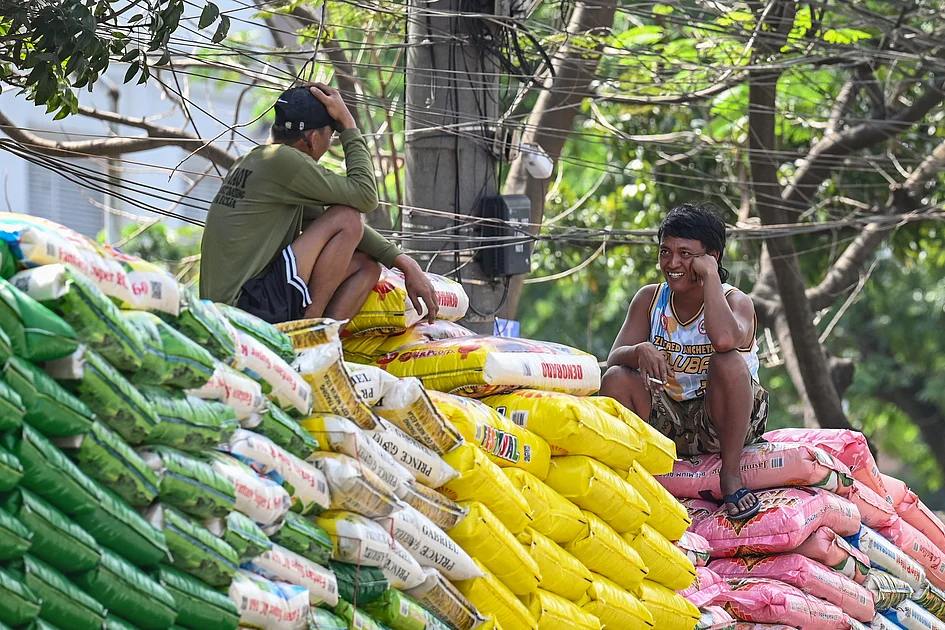
Philippine President Ferdinand Marcos Jr. has announced the extension of the rice import ban until the end of 2025, aiming to stabilize farmgate prices and support local rice producers. The initial ban, implemented through Executive Order 93, was in effect from September 1 to October 31, 2025, to counteract the sharp decline in rice prices ahead of the wet harvest season. Agriculture Secretary Francisco Tiu Laurel Jr. stated that the extension is necessary to ensure sustained support for farmers, maintain market stability, and allow a comprehensive evaluation of the policy’s impact. The Department of Agriculture (DA) will formally issue the extension order on November 3, 2025. The ban has already shown positive effects on farmgate prices, which peaked at Php16.50 per kilo in early September before stabilizing at Php13.50. However, retail prices and supply have remained largely unaffected. Laurel emphasized that the extension, combined with initiatives like Sagip Saka and the introduction of a floor price for rice, will continue to shield local farmers from the downward pressure caused by cheaper imports. Factors such as over-importation, poor-quality harvests, and adverse weather conditions have contributed to the depressed farmgate prices, which had fallen to as low as Php8 per kilo in some regions. In June 2024, President Marcos signed EO 62, reducing rice tariffs from 35% to 15% until 2028 to help control retail prices and curb food inflation. The tariff rate is reviewed every four months. The extended import ban is expected to provide a more thorough assessment of its effects on both farmgate and retail prices while safeguarding the livelihoods of local rice farmers.