SANTIAGO, Chile (AP) — Peruvian President José Jarí announced Friday that his government will implement a state of emergency along the nation’s southern border and deploy additional armed forces to the region. This decisive action comes in response to a significant reversal in migration patterns, with substantial numbers of Venezuelan migrants now moving north from Chile back toward Peru.
The development occurs against the backdrop of Chile’s intensely polarized presidential campaign, where anti-immigrant sentiment has become a central political issue. For years, Chile has represented a beacon of stability and prosperity in Latin America, attracting hundreds of thousands of migrants escaping economic collapse and authoritarian regimes, particularly from Venezuela. These migrants traditionally traversed the continent seeking better opportunities in Chilean society.
However, this established migration pattern has undergone a dramatic reversal as Chile prepares for its December 14 presidential runoff. Ultraconservative lawyer José Antonio Kast, the current frontrunner, has built his campaign platform around stringent immigration controls and warnings against unauthorized migration. Kast recently filmed a campaign video at Chile’s desert border with Peru, delivering an ultimatum to immigrants without formal status: “You have 111 days to leave Chile voluntarily. If not, we will stop you, we will detain you, we will expel you. You will leave with only the clothes on your back.”
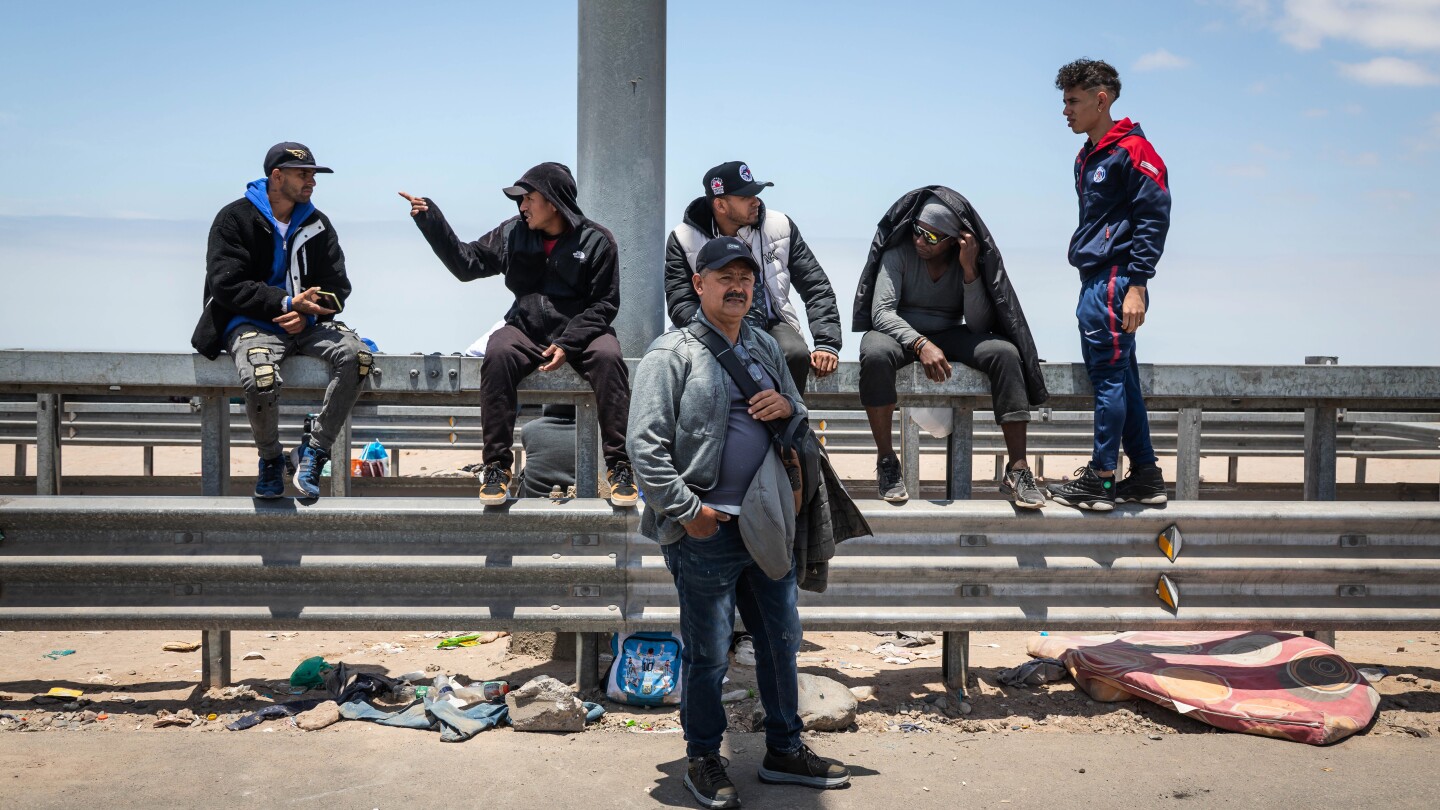
Peruvian media has subsequently been flooded with images of migrant families hastily moving north from Chile into Peru, carrying their possessions in backpacks and garbage bags. The situation created immediate border challenges, prompting President Jarí to personally inspect border controls and deploy security reinforcements to the area.
Residents in northern Chilean border towns reported growing chaos as crowds of people who departed Chile but lacked permission to enter Peru found themselves stranded in legal limbo. The exact number of migrants reversing course remains unclear, though the movement appears directly linked to Kast’s threats of mass deportations and what immigration attorneys describe as rising xenophobia in the country of 18.5 million people.
Chilean Security Minister Luis Cordero addressed the situation cautiously, noting that “rhetoric sometimes has consequences” when asked about the impact of Kast’s statements on migrant outflows. Cordero emphasized that “people cannot be used as a means to create controversy for the elections” and stated that “our main purpose is to prevent a humanitarian crisis.”