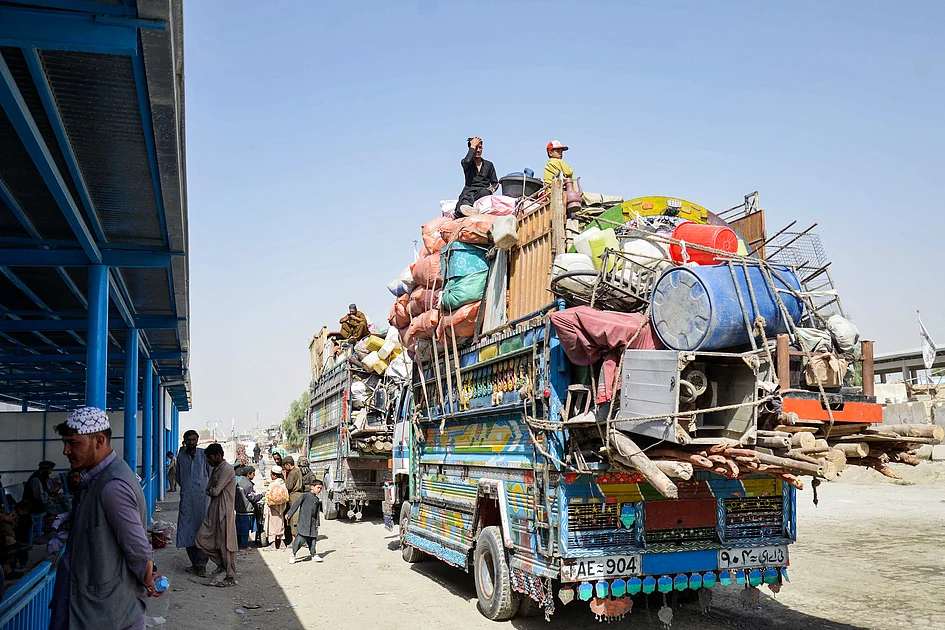
After a week of intense violence, a new ceasefire agreement between Afghanistan and Pakistan has sparked hope for peace and the revival of vital cross-border trade. The clashes, which erupted following explosions in Kabul on October 9, led to retaliatory strikes and significant casualties on both sides. The Taliban government accused Pakistan of orchestrating the blasts, prompting Islamabad to vow a robust response. After initial 48-hour truce on Wednesday, further Pakistani strikes on Friday targeted armed groups allegedly harbored by the Taliban. However, a second ceasefire was approved on Sunday, bringing relief to border communities. Residents in Torkham, a key crossing point, have begun to resume daily activities, with bakers, vendors, and shopkeepers returning to work. Over 1,500 trucks laden with essential goods remain stranded, highlighting the economic toll of the conflict. Abdul Rahman Habib, a Taliban economy ministry spokesman, warned of rising prices, unemployment, and market instability if trade disruptions persist. Both sides have emphasized the need to separate trade from political disputes. Peace talks in Doha, Qatar, have laid the groundwork for lasting peace mechanisms, though details remain undisclosed. Locals on both sides of the border, heavily reliant on cross-border trade, expressed optimism for a durable resolution to the conflict.