Australia’s parliamentary proceedings descended into political turmoil as lawmakers clashed over a controversial motion concerning recent US-Israeli military actions against Iran. The Coalition and Greens parties forced an unexpected suspension of standing orders, temporarily halting government business to introduce a contentious resolution.
Coalition Senator Michaelia Cash introduced the motion expressing support for US strikes against Iran and welcoming the death of Iranian leader Ayatollah Ali Khamenei, whom she characterized as ‘the most evil person in history.’ The resolution further sought to affirm Australia’s opposition to Iran’s alleged nuclear weapons program and condemn attacks on US allies in the Gulf region.
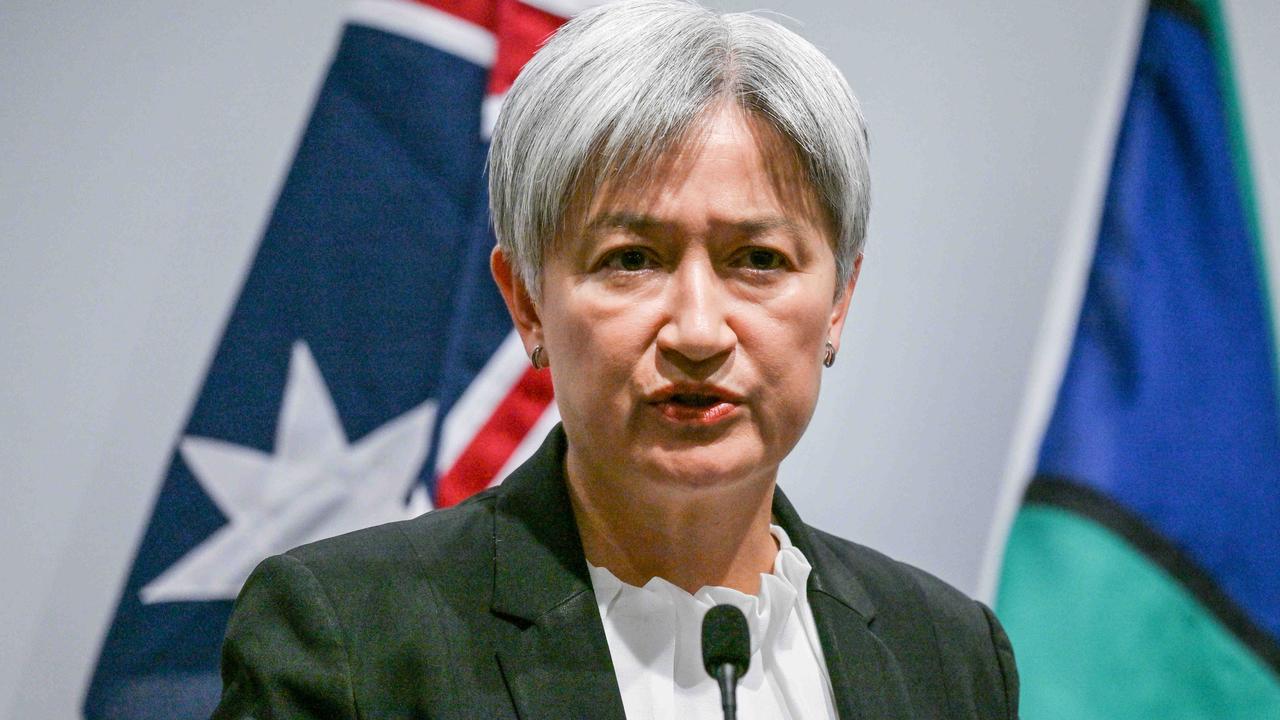
Foreign Affairs Minister Penny Wong opposed the procedural motion while supporting the substantive motion with amendments. Wong emphasized prioritizing the safety of approximately 115,000 Australians in the region and criticized the opposition for their previous inaction on Iranian sanctions during their tenure.
The debate grew increasingly acrimonious as senators exchanged heated remarks across party lines. One Nation Leader Pauline Hanson endorsed the motion, claiming Iranians were ‘dancing in the streets’ following the Ayatollah’s death. Tensions escalated when independent Senator Lidia Thorpe accused Hanson of using derogatory language, resulting in a personal confrontation.
Greens senators criticized both major parties for supporting what they termed an ‘illegal war,’ with Senator David Shoebridge accusing Labor and Liberals of forming ‘the three war parties.’ The discussion also touched on concerns about regional stability, international law violations, and potential repercussions from other global powers.
The parliamentary interruption delayed scheduled debates on Indigenous affairs, specifically the Closing the Gap initiative, highlighting the competing priorities facing Australian lawmakers amid international crises.