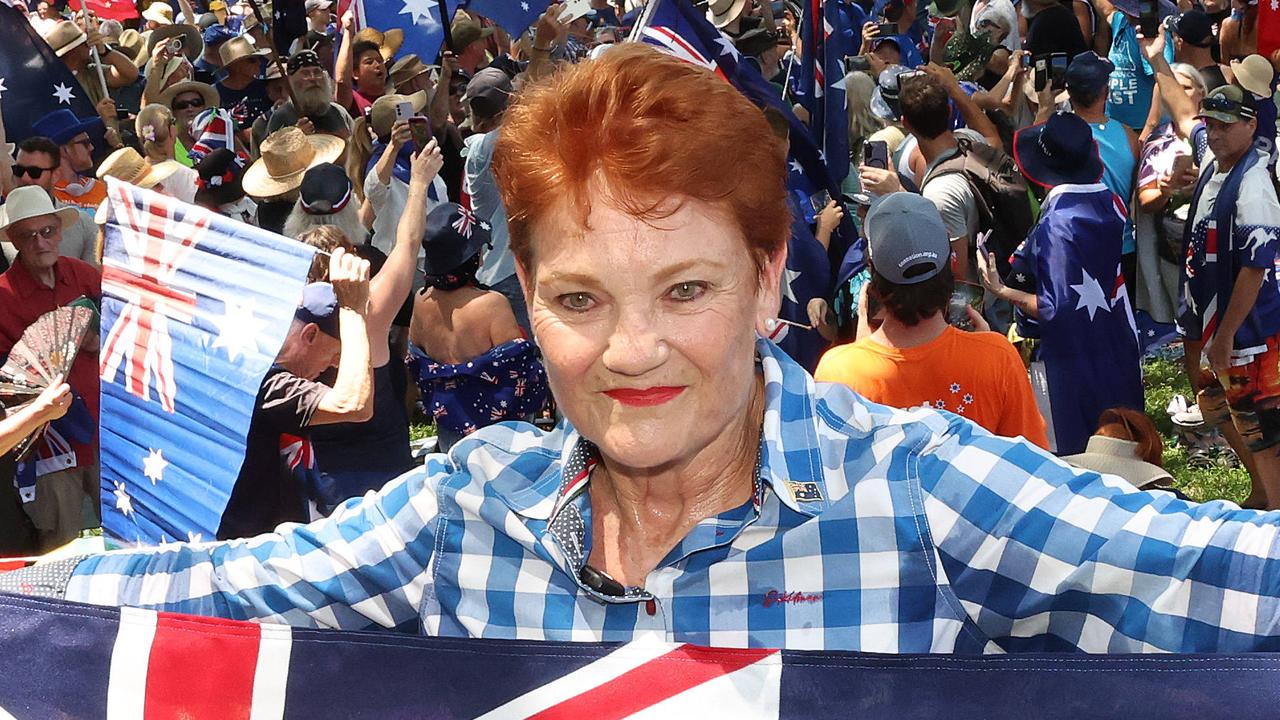
In a significant shift within Australian politics, One Nation leader Pauline Hanson has capitalized on surging poll numbers to deliver a blistering critique of newly enacted hate speech legislation. The controversial figure, whose party now outperforms the Coalition in primary voting intentions according to recent Newspoll data, addressed enthusiastic supporters during Australia Day rallies where “Pauline 4 PM” signage signaled growing momentum.
The Brisbane gathering, characterized by its festive atmosphere with music, flags, and widespread cheering, served as the platform for Hanson’s multifaceted address. She launched particularly sharp criticism against Prime Minister Anthony Albanese, whom she labeled “the worst prime minister I have ever seen,” while attributing Australia’s mass migration challenges to his leadership.
Central to Hanson’s rhetoric was a vehement rejection of recently passed hate speech laws, which she argued could be weaponized to suppress minority parties and stifle crucial debates on immigration and multiculturalism. “We can never give up our freedom of speech,” she declared to applauding supporters. “I will not let them stop me. I will keep going.”
Despite her inflammatory statements regarding climate change skepticism and calls to wind back environmental policies, Hanson concluded her address with an unexpected plea for national unity. She emphasized that Australia belongs to all who embrace its values, whether native-born or migrant, while maintaining her signature criticism of what she perceives as divisive identity politics.
The event drew immediate condemnation from Greens Senator Larissa Waters, who attended a nearby Invasion Day protest and accused Hanson of employing racist dog-whistle tactics. Waters challenged Hanson’s populist narrative by highlighting her voting record on affordability issues, claiming the One Nation leader “votes with the one per cent” rather than ordinary Australians.
Hanson dismissed these criticisms as coming from “un-Australian” opponents filled with hatred, setting the stage for continued ideological clashes as Australia approaches its next federal election.