SANTIAGO, Chile — In a landmark decision that concludes a quarter-century of negotiations, Paraguay has become the final founding member of the Mercosur trade bloc to ratify the comprehensive free trade agreement with the European Union. This ratification establishes one of the world’s most significant economic zones, encompassing over 700 million people and representing approximately 25% of global GDP.
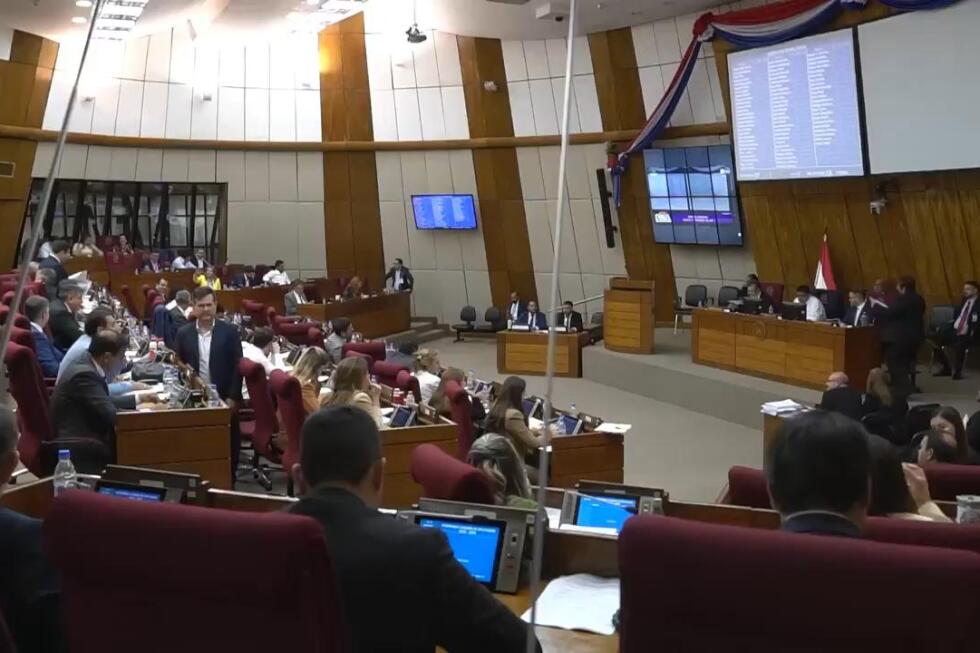
The Paraguayan Chamber of Deputies unanimously approved the agreement with all 58 present legislators endorsing the deal, following the Senate’s approval nearly two weeks prior. The legislation now awaits President Santiago Peña’s signature to complete the national ratification process.
This development marks the culmination of ratification by all Mercosur founding nations, with Uruguay and Argentina having approved the agreement in late February, followed by Brazil’s unanimous Senate ratification in early March. Bolivia, Mercosur’s newest member, did not participate in initial negotiations but will have the opportunity to join the agreement in subsequent years.
During a marathon parliamentary session exceeding nine hours, legislators across party lines celebrated the achievement. Deputy Rodrigo Gamarra, presiding officer of the Mercosur Parliament, declared: “This constitutes a historic agreement for Paraguay, our region, and the global community. We are establishing what may become the world’s largest market.”
The agreement represents a significant breakthrough after prolonged negotiations marked by periodic hesitations. Deputy Juanma Añazco characterized the pact as “the bridge to full integration,” while Deputy Alejandro Aguilera noted the historical significance of overcoming “years and years of negotiations and reluctance.”
Opposition members likewise expressed support, with independent Deputy Raúl Benítez emphasizing that “where there is isolation, we respond with multilateralism.”
On the European side, the European Commission has indicated it will provisionally implement the agreement while a legal challenge proceeds through the European Court of Justice. The pact faces opposition from France, left-wing political groups, and agricultural organizations concerned about potential destabilization of European farming sectors.
European Commission President Ursula von der Leyen, alongside Brazilian President Luiz Inácio Lula da Silva, emerged as a principal architect of the agreement, which she described as “one of the most significant trade agreements of the first half of this century.” She further noted that “Mercosur embodies the spirit with which Europe operates on the global stage,” enhancing European strength and independence.
The treaty emerges amid global political fragmentation and economic realignments, with several European nations confronting security challenges and strained transatlantic relations.