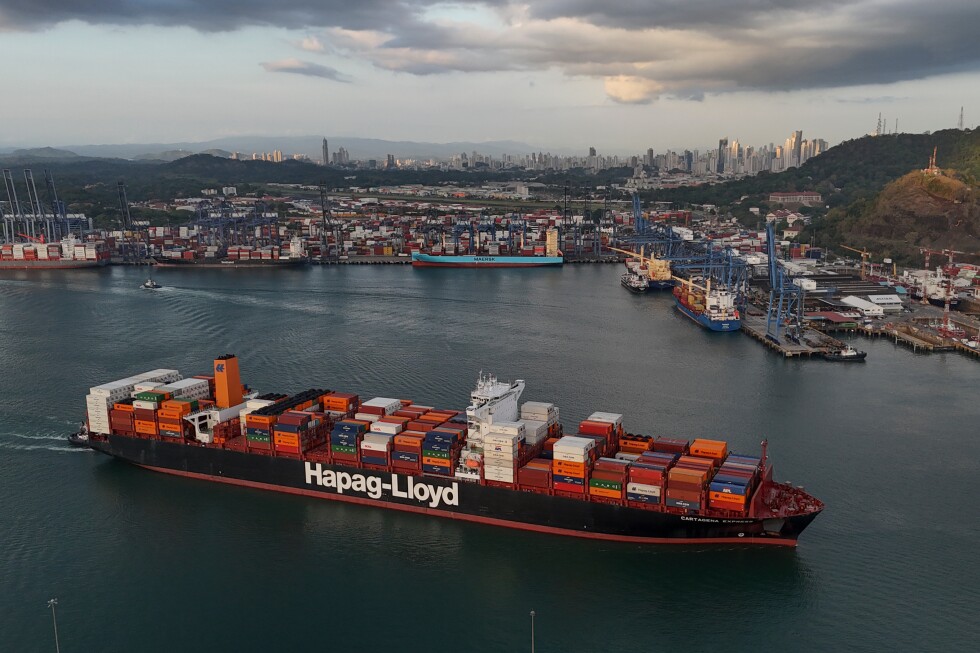
Panamanian President José Raúl Mulino has adopted a resolute stance regarding the escalating legal dispute with Hong Kong-based CK Hutchison Holdings over port operations along the Panama Canal. During his Thursday morning press briefing, Mulino emphasized Panama’s sovereign dignity while responding to diplomatic pressure from China. “Panama is a dignified country and will not allow itself to be threatened by any country on earth,” Mulino declared, addressing Beijing’s warnings that Panama would face severe consequences if it upheld its Supreme Court’s recent ruling.
The controversy stems from last week’s landmark decision by Panama’s Supreme Court, which declared unconstitutional the concession held by Hutchison Ports’ local subsidiary, Panama Ports Company. This judicial move has been interpreted as a strategic victory for U.S. interests seeking to counter Chinese influence over the critical maritime corridor, placing Panama at the center of intensifying geopolitical competition between Washington and Beijing.
In response to the court’s decision, CK Hutchison Holdings has initiated formal arbitration proceedings against the Panamanian government, asserting strong disagreement with the ruling. Meanwhile, President Mulino has assured continuous port operations during the transition period, with Panama’s Maritime Authority coordinating with the current operator until the concession is formally terminated. Subsequently, Danish logistics giant A.P. Moller-Maersk’s local subsidiary will assume temporary operational control until a new concession can be competitively bid.
The disputed ports constitute a significant portion of CK Hutchison’s $23 billion global port divestment to a consortium including U.S. investment firm BlackRock—a transaction initially announced in March 2023 that has encountered delays due to both legal complications in Panama and heightened Sino-American geopolitical tensions. Industry analysts suggest the Hong Kong conglomerate may employ prolonged legal maneuvers to buy time while exploring alternatives for its broader port portfolio restructuring.