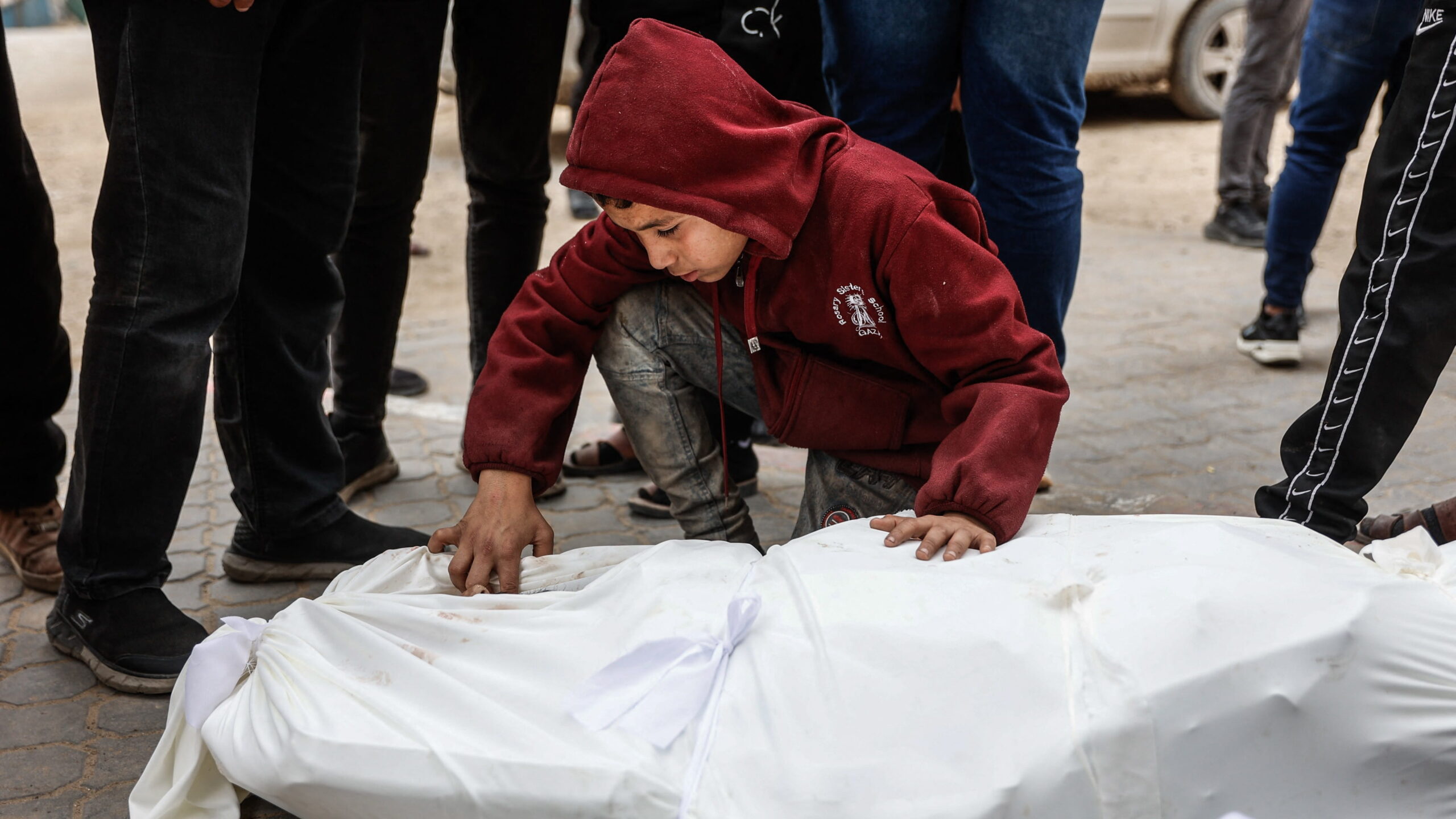
The Gaza Strip is confronting a severe humanitarian emergency as winter conditions turn fatal for its most vulnerable residents. Medical authorities confirm that two Palestinian infants, six-month-old Youssef Abu Hammad and three-month-old Ali Abo al-Zour, perished on Thursday due to exposure to extreme cold and contaminated environments. These tragic fatalities elevate the official count of child hypothermia deaths to ten since the winter season commenced.
Youssef Abu Hammad’s story epitomizes the crisis. Born after 17 years of parental anticipation for a male heir, he represented a profound blessing to his family of six sisters. The displaced Abu Hammad family had been residing adjacent to a sewage disposal site in Khan Younis, southern Gaza. Despite repeated pleas for essential supplies like infant formula and diapers, their appeals remained unanswered. Medical professionals attributed Youssef’s death to severe dehydration and hypothermia induced by sewage pollution exposure.
This humanitarian disaster stems from extensive infrastructure collapse. Israeli military operations have reportedly demolished approximately 90% of Gaza’s infrastructure since October 2023, forcing most inhabitants into inadequate temporary shelters lacking proper heating. A stringent Israeli blockade continues to prohibit critical provisions including food, medicine, fuel, and winter supplies.
Despite a October agreement between Israel and Hamas intended to conclude hostilities and relax restrictions, implementation remains insufficient. More than three months later, border crossings remain largely closed with only minimal aid access permitted. Construction materials for shelters and heating equipment remain on the banned items list.
Munir al-Bursh, Director General of the Palestinian Health Ministry in Gaza, characterizes the situation as an “unprecedented humanitarian crisis” deliberately manufactured through occupation policies and international inaction. “Death in Gaza no longer stems solely from bombardment but increasingly from cold, starvation, exposure, and medical shortages,” al-Bursh stated, emphasizing this constitutes a man-made catastrophe rather than natural disaster.
The October ceasefire agreement, designed to terminate a two-year conflict that claimed over 71,000 Palestinian lives, has failed to stop the violence entirely. Palestinian sources report more than 481 fatalities since the agreement took effect, including two children killed in a northern Gaza drone strike on Saturday.