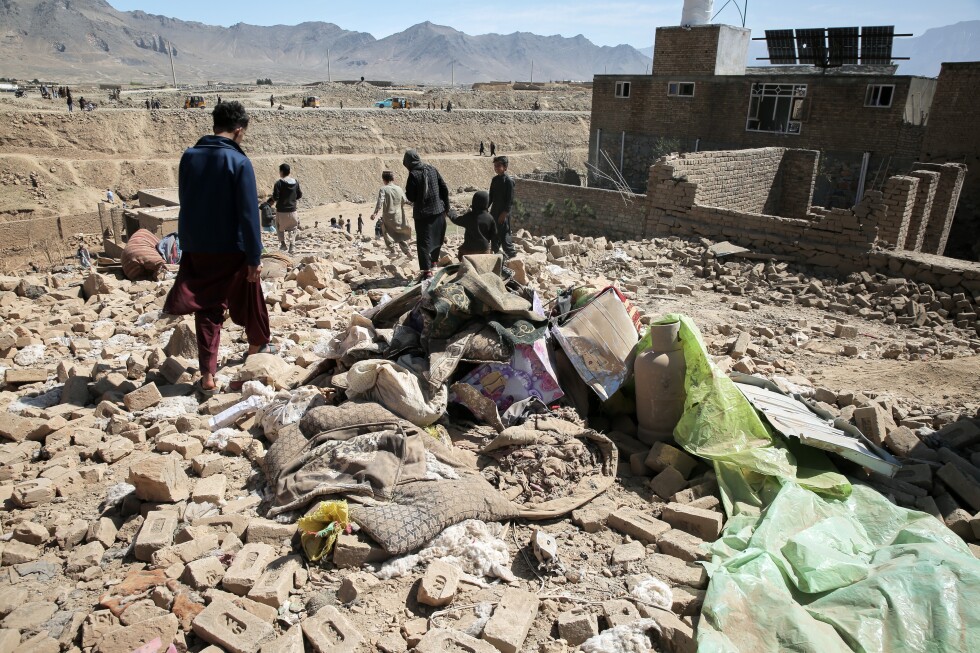
Tensions between Pakistan and Afghanistan’s Taliban government have dramatically escalated into open hostilities, with both sides exchanging aerial attacks across their shared border. The conflict reached a critical turning point when Afghan drones struck Pakistani territory, prompting President Asif Ali Zardari to declare that Kabul had “crossed a red line” and brought “grave consequences upon itself.
The recent violence represents the deadliest fighting between the neighboring nations to date, with Pakistan reporting intercepted drones causing civilian injuries in Quetta and other areas. Simultaneously, Afghanistan alleges Pakistani airstrikes killed six civilians and wounded fifteen in Kabul and eastern regions. Kabul claims its air force subsequently targeted military installations near Islamabad and northwestern Pakistan in retaliation.
Pakistan maintains its operations specifically target Pakistani Taliban militants and their support networks, denying any intentional strikes against civilians. Islamabad has characterized the situation as an “open war,” raising international concerns about regional stability amid broader Middle East tensions.
Complicating the conflict, Afghanistan alleges Pakistani aircraft struck fuel depots belonging to private airline Kam Air near Kandahar airport, which reportedly supplies both civilian and United Nations flights. Pakistan counters that the Afghan Taliban government provides sanctuary to militant groups operating across the porous border, including those allied with India—a charge Kabul denies.
The human cost continues to mount, with seven Pakistani police officers killed by a roadside bomb in Lakki Marwat district on Friday. Despite diplomatic efforts by China and Turkey to broker a ceasefire, the violence shows no signs of abating. Chinese Foreign Minister Wang Yi has urged peaceful resolution, warning that military action exacerbates tensions and threatens regional stability. China’s special envoy is currently shuttling between both nations promoting restraint, while Afghanistan’s foreign minister has expressed preference for dialogue over military conflict.
Previous mediation attempts, including a Qatari-brokered ceasefire in October that temporarily reduced tensions, and subsequent talks in Turkey, have failed to produce a lasting agreement.