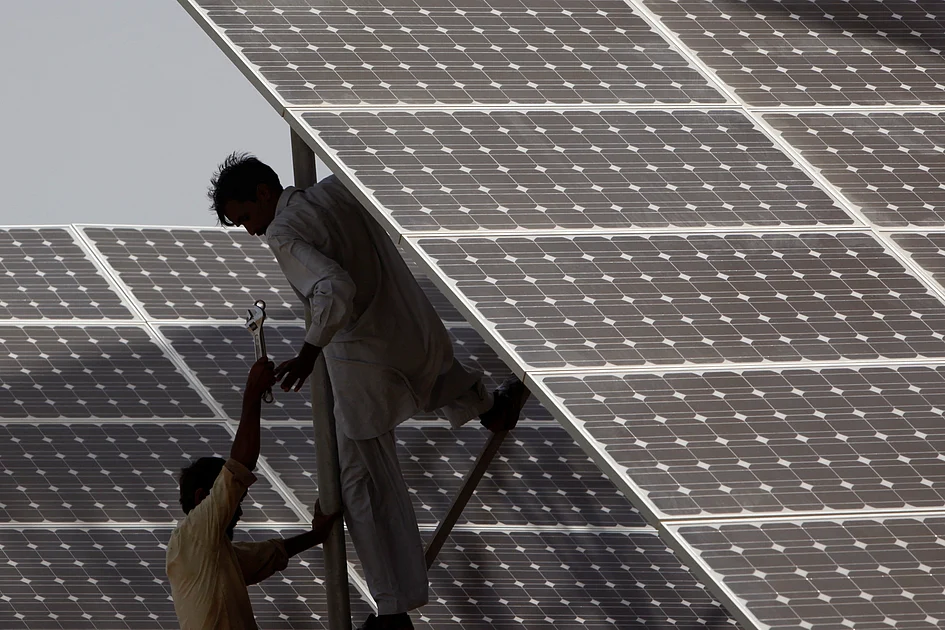
Pakistan’s energy sector faces significant upheaval as the National Electric Power Regulatory Authority (Nepra) implements controversial reforms to its solar energy compensation framework. The regulatory body has formally abolished the existing net metering system, replacing it with a new net billing mechanism that substantially reduces financial incentives for solar power producers.
The transformative policy shift slashes the solar power buyback rate from Rs25.9 to just Rs11 per unit—a nearly 60% reduction in compensation for excess energy fed back into the national grid. Additionally, the credit validity period for exported units has been dramatically shortened from three months to just one month, fundamentally altering the economic calculus for solar investments.
Existing registered prosumers (solar consumers with net metering) will be transitioned to the new net-billing system, though other contractual terms remain unchanged until their seven-year agreements expire. New consumers will be subject to five-year contracts under the revised compensation structure. Meanwhile, electricity imported from distribution companies continues to command premium rates between Rs37 to Rs55 per unit, depending on consumption slabs.
The power division reveals that on-grid solar capacity has reached 7,000MW while off-grid installations have surged to 13,000MW. Regulatory authorities attribute grid challenges and higher capacity charges to consumers with non-metered solar installations and those exceeding approved capacity limits, though these specific concerns weren’t explicitly addressed in the new regulations.
Energy analysts interpret these measures as strategic efforts to contain rapidly expanding solar penetration and protect state-owned power infrastructure. The regulations will also extend to biogas consumers, marking a comprehensive overhaul of Pakistan’s renewable energy compensation framework.