The ICC Men’s T20 World Cup faces unprecedented diplomatic turmoil as Pakistan’s government has officially prohibited its national cricket team from competing against arch-rival India in their scheduled February 15 group stage encounter in Colombo. This development marks the first time in 14 years that an ICC tournament might proceed without the iconic India-Pakistan showdown, potentially forcing Pakistan to forfeit crucial competition points.
The political standoff emerged after the International Cricket Council rejected Pakistan’s request to relocate its matches from India to Sri Lanka due to security concerns. The PCB had sought this accommodation following similar considerations granted to Bangladesh, whose games were moved to Sri Lanka while Scotland replaced them in the Indian-hosted segment of the tournament.
Pakistan Cricket Board chairman Mohsin Naqvi condemned the ICC’s decision as demonstrating “double-standards,” prompting the government’s intervention. Team captain Salman Ali Agha, speaking after Pakistan’s 3-0 series victory over Australia, affirmed the squad would comply with governmental directives: “It’s not our decision. We can’t do anything about it. We will do whatever our government and the PCB chairman say.”
The ICC has urgently appealed to cricket authorities in both nations to “explore a mutually acceptable resolution” that “protects the interests of all stakeholders.” While a potential meeting in semifinals or finals remains mathematically possible, uncertainty persists regarding whether the boycott would extend to knockout stages.
Tournament structure remains unchanged with 20 teams divided across four groups, featuring matches across five Indian cities (New Delhi, Kolkata, Chennai, Ahmedabad, and Mumbai) and Sri Lankan venues in Pallekele and Colombo. The top two teams from each group will progress to Super Eights, followed by semifinals on March 4-5 and championship final on March 8.
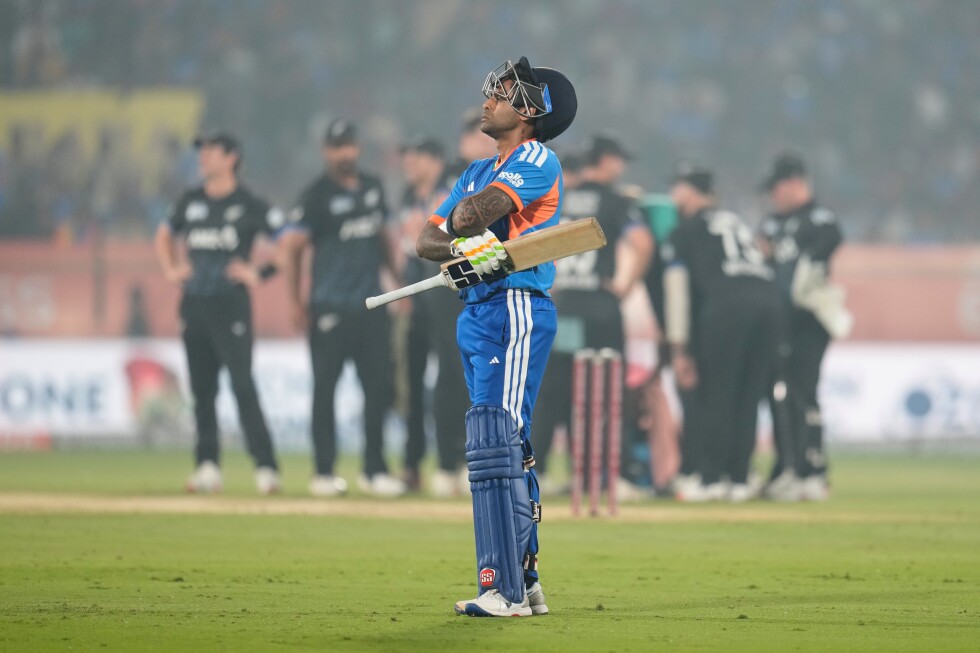
Defending champion India enters as favorite following impressive 4-1 series victory against New Zealand, while Pakistan must navigate challenging matches against Netherlands, Namibia, and the United States—the latter having eliminated Pakistan in their dramatic 2024 super-over encounter.
Other groups feature strong contenders including Australia, England, West Indies, and Afghanistan, though the shadow of geopolitical tensions now threatens to overshadow sporting competition in cricket’s premier global event.