Pakistan faces significant economic vulnerability amid escalating Middle Eastern tensions following the targeted assassination of Iran’s Supreme Leader Ali Khamenei in joint US-Israeli military operations, according to security and economic analysts. The geopolitical shockwaves have triggered violent demonstrations across Pakistani cities, resulting in at least 25 fatalities and widespread unrest directed at US diplomatic facilities.
Former Pakistani Foreign Secretary Salman Bashir characterized the situation as intensifying conflict with potential global economic ramifications. “It could reshape the entire Middle East, affect the world economy, and could last a long time. Its geopolitical consequences could be severe,” Bashir stated, reflecting official concern within Pakistan’s diplomatic circles.
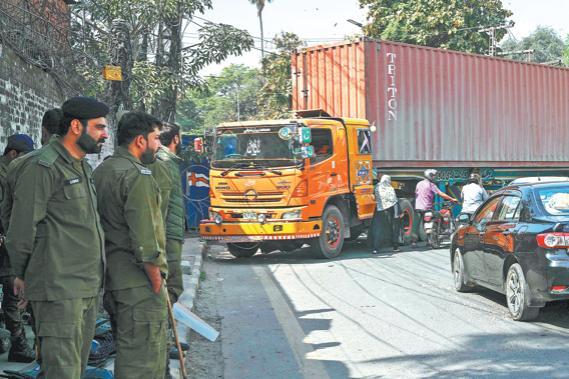
The assassination has provoked substantial civilian backlash, with protesters attempting to storm US consulates in Karachi and Lahore over the weekend. Pakistani security forces have responded with heightened protective measures, including barricading diplomatic compounds with containers.
Prime Minister Shehbaz Sharif formally expressed condolences to Iran while condemning the violation of international law norms regarding protection of heads of state. The government’s statement emphasized solidarity with Iran during what it termed a period of “martyrdom” for the slain leader.
Economic analysts project multidimensional impacts on Pakistan’s already fragile economy. Khalid Taimur Akram, Executive Director of the Pakistan Research Center for a Community with Shared Future, warned that regional escalation could trigger energy price surges through potential Strait of Hormuz closures. “Electricity will be more expensive, making the daily lives of people more difficult,” Akram noted, highlighting direct consequences for Pakistani households.
The crisis threatens Pakistan’s substantial labor export economy, with millions of workers in Gulf countries potentially facing employment instability and reduced remittance flows. As one of the largest trading partners with Gulf nations, Pakistan’s commercial interests face immediate jeopardy according to economic assessments.
Independent economic analyst Shujaat Ahmed projected short-term inflationary pressures with long-term consequences dependent on conflict duration. The compounded economic challenges arrive as Pakistan navigates existing financial difficulties, potentially exacerbating social and political instability throughout the region.