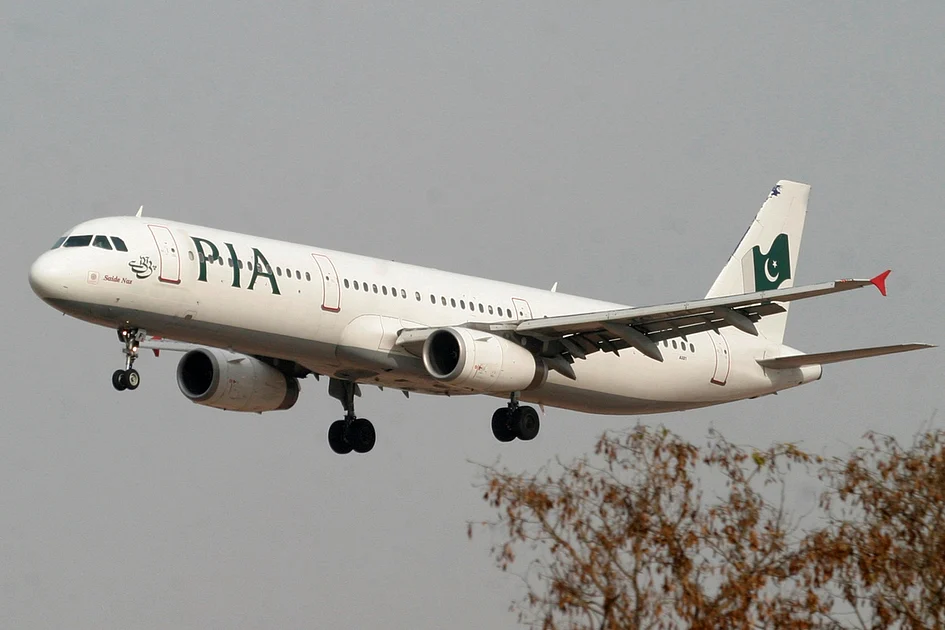
Pakistan has initiated a publicly televised auction process for the privatization of Pakistan International Airlines (PIA) on Tuesday, marking a significant step in the government’s economic reform agenda mandated by the International Monetary Fund. This represents the nation’s second attempt to divest the historically significant flag carrier after last year’s televised bidding collapsed due to insufficient offers.
The auction structure involves two distinct phases for majority stake submissions, with initial bids due at approximately 10:45 AM local time (0545 GMT) followed by a public bid-opening ceremony later the same day. According to Privatisation Minister Muhammad Ali, three domestic entities are anticipated to participate in the competitive process following the withdrawal of military-affiliated Fauji Fertilizer from consideration.
Notably, the government has structured the transaction to permit up to 100% acquisition of PIA, with any stake exceeding 75% subject to a 15% premium surcharge. This revised approach follows last year’s unsuccessful attempt where the government’s minimum price of $305 million for a 60% stake attracted only a single bid of $36 million from real estate developer Blue World City, which subsequently declined to increase its offer citing financial concerns and operational inefficiencies within the airline.
The current privatization effort occurs under substantially improved circumstances. The Pakistani government has assumed majority responsibility for PIA’s legacy debt, the carrier has reported its first pre-tax profit in twenty years, and critical flight restrictions to European destinations have been lifted following the removal of a five-year ban by Britain and the European Union. These developments have significantly enhanced PIA’s market valuation potential compared to previous assessment periods.
This airline divestment constitutes a cornerstone of Pakistan’s broader privatization initiative under its IMF bailout program, which additionally includes planned sales of state-owned banking institutions, power distribution companies, and various other loss-making public enterprises aimed at reducing fiscal burdens and restoring investor confidence in the national economy.