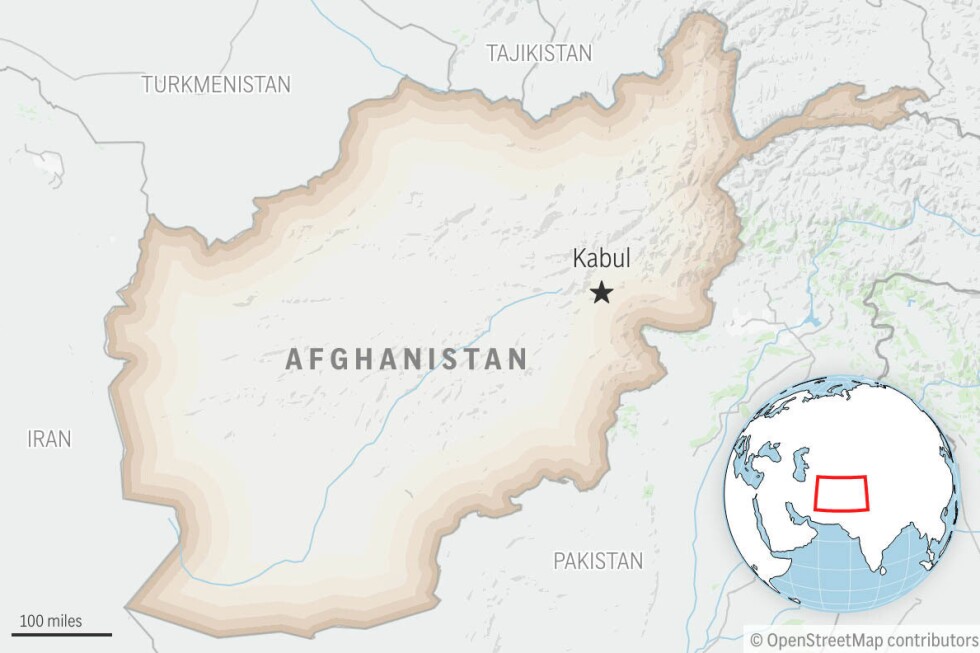
ISLAMABAD — Pakistan’s military launched precision strikes along its volatile border with Afghanistan in the early hours of Sunday, targeting what it described as militant sanctuaries responsible for recent attacks within Pakistani territory. The operation marks a significant escalation in regional tensions between the neighboring nations.
Information Minister Attaullah Tarar confirmed via social media platform X that Pakistani forces executed “intelligence-based, selective operations” against seven camps operated by the Pakistani Taliban (Tehrik-e-Taliban Pakistan, or TTP) and affiliated militant organizations. The minister further disclosed that an Islamic State affiliate was also neutralized during the border region offensive.
The strategic military action follows a devastating suicide bombing in Bajaur district, where assailants detonated an explosives-laden vehicle against a security post, resulting in the deaths of 11 soldiers and one child. Authorities subsequently identified the perpetrator as an Afghan national. Hours preceding the border strikes, another suicide attack targeted a security convoy in Bannu district, claiming the lives of two soldiers including a lieutenant colonel.
Minister Tarar presented what he termed “conclusive evidence” connecting recent attacks—including the massacre of 31 worshippers at a Shiite mosque in Islamabad earlier this month—to militant leadership operating from Afghan soil. The minister asserted that Pakistan had repeatedly urged Afghanistan’s Taliban administration to implement verifiable measures preventing cross-border militant activities, but alleged no substantive action had been taken.
Pakistan’s military command issued a stern warning following Saturday’s violence, declaring it would not “exercise any restraint” and that counterterrorism operations would continue “irrespective of their location”—a clear indication of potential further cross-border actions.
Bilateral relations have remained severely strained since October, when deadly border clashes resulted in numerous casualties among military personnel, civilians, and suspected militants. Although a Qatar-mediated ceasefire has generally maintained tenuous stability, diplomatic negotiations in Istanbul failed to produce a formal agreement, leaving tensions simmering.
Pakistan has experienced a alarming surge in militant violence in recent years, primarily attributed to TTP and outlawed Baloch separatist groups. The TTP maintains close ideological and operational ties with Afghanistan’s Taliban government, which returned to power in 2021. Islamabad consistently alleges that the TTP operates with impunity from Afghan territory—accusations both the militant group and Kabul authorities deny.
The Pakistani government is now urging the international community to pressure Taliban authorities in Afghanistan to honor commitments made under the Doha Agreement, particularly provisions prohibiting the use of Afghan territory for attacks against neighboring nations.