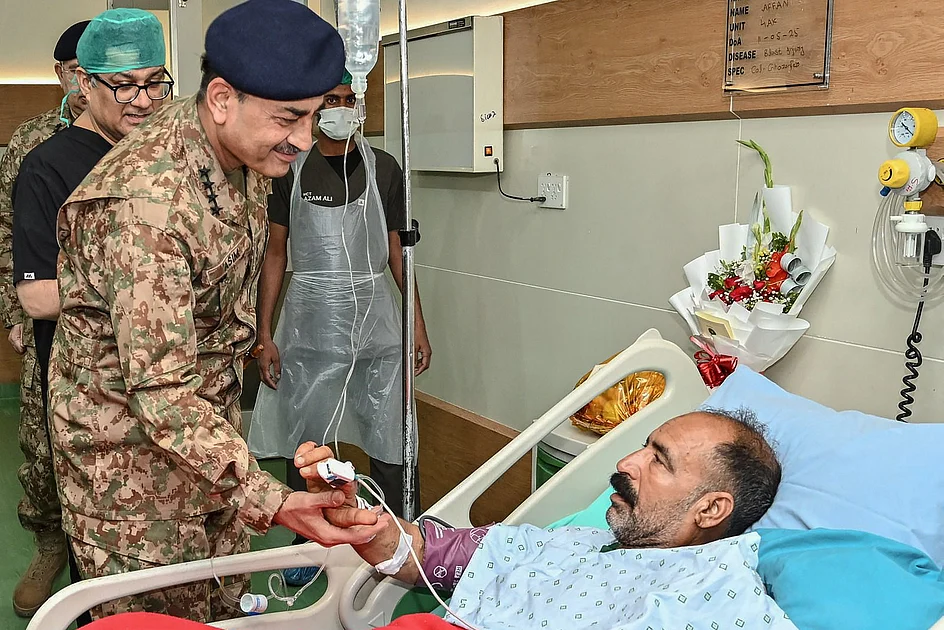
Pakistan’s powerful military leader Field Marshal Asim Munir confronts a critical foreign policy challenge as the United States pressures Islamabad to contribute troops to a proposed Gaza stabilization force. According to sources familiar with the matter, Munir is anticipated to visit Washington for his third meeting with President Donald Trump within six months, with the Gaza deployment expected to dominate discussions.
The controversial proposal forms part of Trump’s 20-point plan for Gaza, calling for Muslim-military nations to oversee reconstruction and economic recovery in the Palestinian territory devastated by over two years of Israeli military operations. The mission would involve demilitarizing Hamas, a requirement that has made numerous Muslim countries hesitant due to concerns about being drawn into the conflict and provoking domestic backlash from pro-Palestinian populations.
Munir has cultivated an unusually close relationship with the mercurial Trump administration, marked by a historic White House lunch in June where he became the first Pakistani army chief to meet alone with a U.S. president without civilian officials present. This diplomatic courtship has reportedly been driven by Pakistan’s desire to secure American investment and security assistance.
Analysts highlight the precarious balancing act Munir faces. Michael Kugelman of the Atlantic Council noted that refusing Trump could strain relations, while deploying troops risks igniting widespread domestic unrest. Pakistan’s Islamist parties, deeply opposed to both the U.S. and Israel, retain significant street power despite recent government crackdowns on extremist groups.
Complicating matters further, Munir recently consolidated unprecedented authority through constitutional amendments that granted him lifetime immunity from prosecution, extended his tenure until 2030, and appointed him as the first chief of defence forces overseeing all military branches. This consolidation of power means the ultimate decision rests squarely with Munir, whose rules will determine Pakistan’s course of action.
With Pakistan’s battle-hardened military being the only nuclear-armed Muslim nation, the pressure on Munir to navigate this geopolitical dilemma has never been greater. The country has extensive combat experience from three wars with India and ongoing counterinsurgency operations, making its potential contribution significant yet politically volatile.