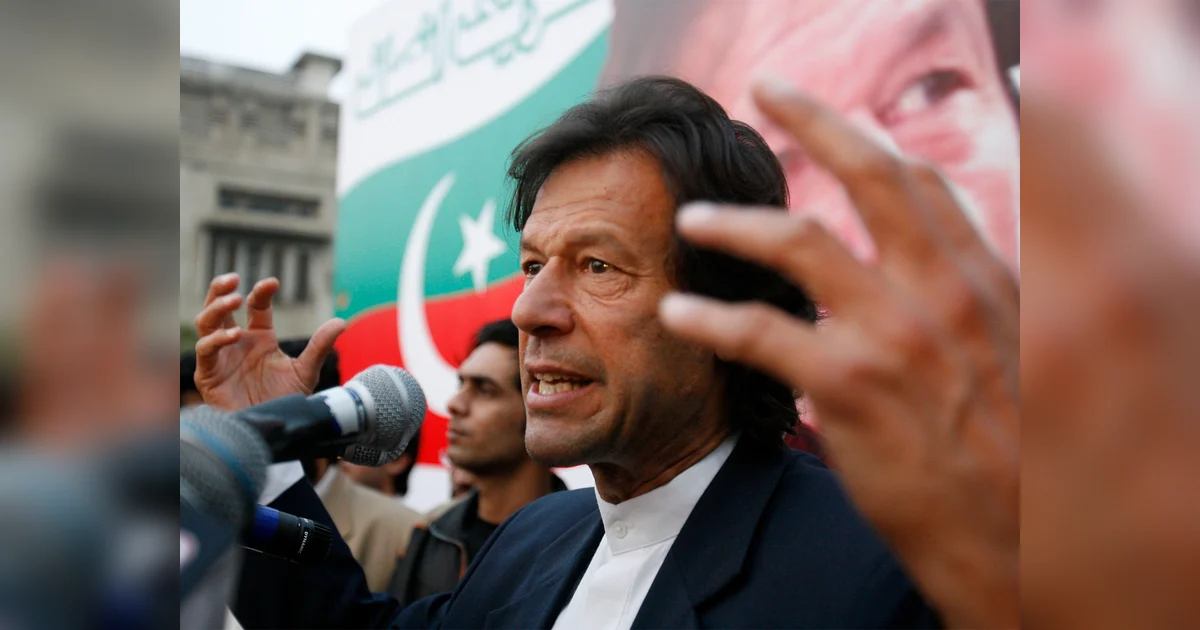
Pakistan’s imprisoned former Prime Minister Imran Khan faces escalating health concerns as prison authorities systematically reject medical advocacy from his family and personal physicians. Khan, now incarcerated for over 800 days at Adiala Jail in Rawalpindi, has experienced significant vision deterioration with his right eye reportedly retaining only 15% visual capacity.
The situation reached a critical juncture when Khan’s sister Aleema Khanum publicly denounced the government’s obstruction of proper medical care. Through detailed social media statements, she revealed that authorities repeatedly rejected qualified family representatives despite multiple compliance attempts. Initially proposing Dr. Asim Yousaf (Khan’s personal physician) accompanied by family member Uzma Khan, the government dismissed both the specialist and family representation. Subsequent nomination of cousin Dr. Nausherwan Burki—another medically qualified relative—was similarly rejected.
This medical standoff follows a Supreme Court directive mandating proper medical evaluation and permitting communication with his children before February 16. While a five-doctor medical team conducted preliminary eye examinations, blood tests, and blood pressure monitoring on Sunday, the family maintains these measures are insufficient without independent medical supervision.
The prison administration has characterized hospital transfer rumors as unfounded, asserting that Khan merely underwent scheduled examinations. However, the family’s concerns intensify as they question whether authorities deliberately exclude medically knowledgeable family members to control diagnostic outcomes. The pattern of rejected medical advocates and delayed proper treatment has raised alarms about political victimization manifesting through healthcare denial, transforming Khan’s imprisonment into both a political and humanitarian crisis.