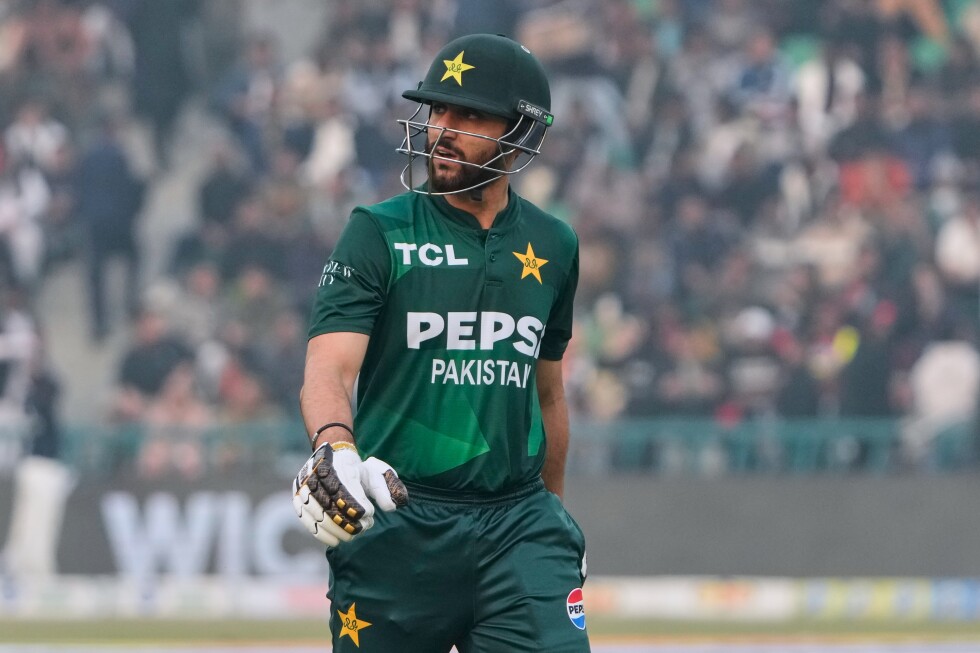
COLOMBO, Sri Lanka — As cricket rivals India and Pakistan prepare for their highly anticipated T20 World Cup encounter on Sunday, the pre-match focus has shifted from sporting prowess to diplomatic tensions and symbolic gestures. Pakistan captain Salman Ali Agha has placed the decision about pre-match handshakes squarely with the Indian team, highlighting the strained relations that have transformed this cricketing rivalry into a geopolitical spectacle.
The upcoming match marks the first meeting between the teams since last year’s contentious Asia Cup tournament in the United Arab Emirates, where on-field animosities reached boiling point. The tournament witnessed Indian captain Suryakumar Yadav refusing handshakes with Pakistani players, followed by multiple disciplinary actions against players from both sides for breaching the International Cricket Council’s code of conduct.
This encounter nearly didn’t materialize after Pakistan’s government threatened a boycott following the ICC’s exclusion of Bangladesh from the World Cup over security concerns regarding matches in India. Only through intensive negotiations with cricket’s governing body was the fixture preserved—a crucial revenue generator for international cricket.
The historical context adds layers to the confrontation: India hasn’t toured Pakistan since 2008, while Pakistan’s last visit to India was for the 2023 ODI World Cup. All recent encounters have occurred at neutral venues under ICC tournaments, with India dominating the head-to-head record with 12 victories in 16 T20 matches and a commanding 6-1 record in T20 World Cup meetings.
Both captains attempted to deflect attention from past controversies during pre-match press conferences. Agha emphasized learning from history rather than being bound by it, while Yadav dismissed questions about handshake protocols, stating his team’s focus remains solely on cricket performance.
Additional subplots include scrutiny over Pakistani spinner Usman Tariq’s bowling action and concerns about Indian opener Abhishek Sharma’s recovery from a stomach infection that caused him to miss the Namibia match.
Despite the political undertones, both teams recognize the match represents an opportunity to create new narratives beyond diplomatic tensions and historical records in what remains cricket’s most politically charged rivalry.