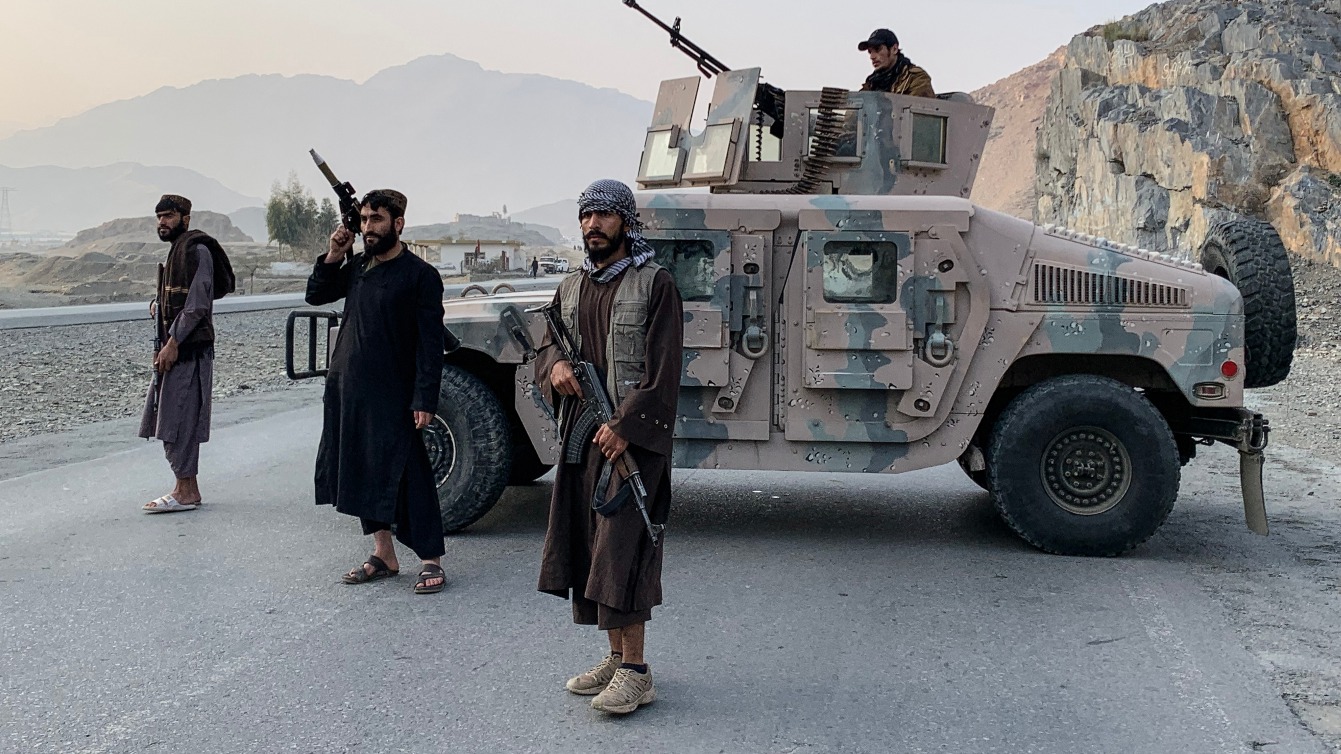
Pakistan has escalated its military campaign against the Taliban, announcing the elimination of 228 insurgent fighters through a series of airstrikes targeting multiple locations in Afghanistan’s capital, Kabul, along with Paktia province and Kandahar. The offensive, described by Islamabad as a response to unprovoked cross-border attacks, marks a significant deterioration in relations between the neighboring nations.
The Taliban government confirmed the aerial assaults while claiming substantial retaliatory success. According to their spokespersons, Afghan forces killed 55 Pakistani soldiers and seized 19 military posts in counteroperations. Heavy gunfire and shelling were reported near the critical Torkham border crossing, with Afghan troops observed mobilizing toward the frontier.
This escalation follows months of mounting tensions, primarily fueled by Pakistan’s accusations that Afghan Taliban authorities provide sanctuary to Tehrik-i-Taliban Pakistan (TTP) militants responsible for attacks within Pakistani territory—a charge consistently denied by Kabul. The conflict has triggered recurrent border clashes, airstrikes, and periodic closures at key transit points, exacerbating existing tensions over the status of millions of Afghan refugees in Pakistan.
Pakistani Defense Minister Khawaja Asif declared that Islamabad’s ‘patience has run out,’ characterizing the situation as an ‘open war’ against Taliban authorities whom he accused of ‘exporting terrorism’ and serving as proxies for Indian interests. India’s external affairs spokesperson condemned Pakistan’s military actions, describing the airstrikes as an attempt to ‘externalize internal failures’ during the holy month of Ramadan.
The international community has responded with urgent calls for restraint. United Nations Secretary-General Antonio Guterres emphasized adherence to international law and civilian protection. China, Russia, and Iran have offered mediation services, with Tehran expressing readiness to facilitate dialogue between the conflicting parties. Both Moscow and Beijing have urged an immediate cessation of cross-border attacks, warning of potential regional destabilization and civilian casualties.