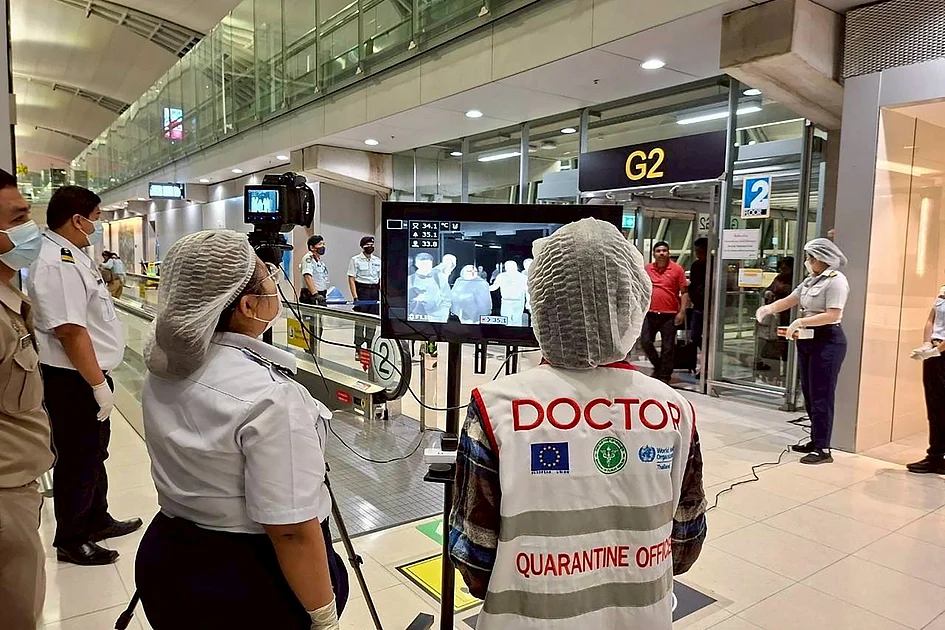
Pakistan has initiated comprehensive health screening protocols at all entry points following confirmed Nipah virus cases in India, joining multiple Asian nations in implementing enhanced border controls. The Border Health Services department mandated thermal scanning and clinical assessments for all travelers entering through seaports, land borders, and airports, requiring 21-day transit history declarations to identify potential exposure risks.
The Nipah virus, recognized by the World Health Organization as a priority pathogen, presents significant public health challenges with its high mortality rate ranging from 40% to 75%. The virus primarily transmits from infected fruit bats to humans, causing severe fever and encephalitis, though human-to-human transmission requires prolonged close contact. No vaccine currently exists for the infection.
This health security measure comes despite limited travel connectivity between Pakistan and India, particularly following recent geopolitical tensions. Vietnam has simultaneously reinforced screening procedures at Noi Bai International Airport in Hanoi, with specific focus on passengers originating from India’s West Bengal region where two healthcare workers tested positive in late December.
According to global health data, Nipah virus has caused 750 confirmed infections and 415 fatalities worldwide as of December 2025. The virus was first identified during a 1998 outbreak in Malaysia and Singapore among pig farmers, though scientific evidence suggests the pathogen has circulated in fruit bat populations for millennia. India’s Kerala state remains one of the world’s highest-risk regions for Nipah infections, with the country regularly reporting sporadic cases.