博客

  • Scaloni: ‘The whole planet’ awaits Messi’s 200th cap as Argentina opens World Cup against Algeria

    Scaloni: ‘The whole planet’ awaits Messi’s 200th cap as Argentina opens World Cup against Algeria

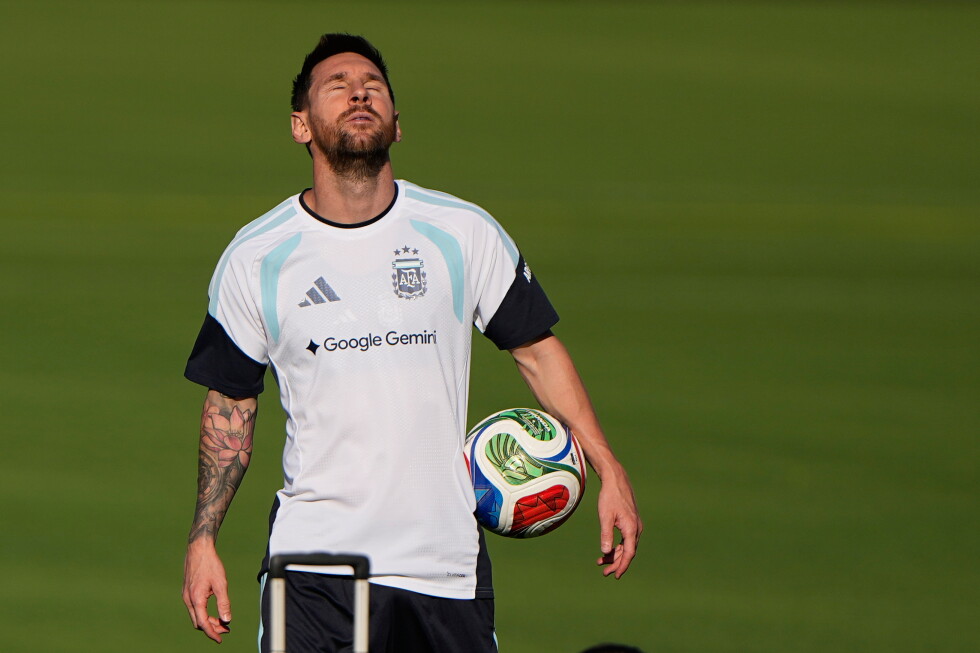
    KANSAS CITY, Mo. — As the 2026 FIFA World Cup kicks off its first match for defending champions Argentina here at Arrowhead Stadium on Tuesday night, all eyes are fixed on one man: Lionel Messi, the Argentine icon widely regarded as the greatest soccer player of all time. For Argentina head coach Lionel Scaloni, who shares a deep-rooted connection with Messi that stretches back decades, the global fascination with the 36-year-old forward is no surprise.

    Both Scaloni and Messi hail from Argentina’s Santa Fe province, and both rose through the youth ranks of Newell’s Old Boys, the storied Rosario-based club that has produced a long list of soccer legends, from Gabriel Batistuta to current U.S. men’s national team coach Mauricio Pochettino. Having watched Messi’s career unfold for nearly his entire professional life, Scaloni says the entire world craves to see Messi step onto the pitch.

    “Not only the Argentinian population but everybody — the whole planet — wants to see him play,” Scaloni said in an interview ahead of the opening Group C match against Algeria. “Everybody wants to see him on the pitch, because he has an effect not only on Argentina fans but supporters all over the world.”

    For many fans in attendance on Tuesday, this will likely be the final chance to watch Messi compete in a World Cup wearing Argentina’s iconic light blue and white striped jersey. Questions about Messi’s fitness circulated in the weeks leading up to the tournament, after the Inter Miami star picked up a minor hamstring injury. But those concerns appear to have been put to rest: in training sessions open to reporters, Messi has looked sharp and comfortable, and he played 20 minutes without issue in Argentina’s final pre-tournament tuneup against Iceland last week, entering as a second-half substitute and scoring a penalty just minutes after checking in.

    Barring any last-minute unforeseen issue, Messi will hit a historic milestone in Tuesday’s match, earning his 200th cap for the Argentine senior national team. Scaloni made clear that Messi remains an irreplaceable core of the side’s title defense bid.

    “There’s nothing negative to say,” Scaloni said. “He’s always been there, and he’s essential for us. He’s going to remain that way.”

    Messi mania has already fully taken over Kansas City, with fans traveling from across the region to catch a glimpse of the star ahead of kickoff. Tapash Chakraborty, a 57-year-old engineering firm owner, set up at a local downtown bar 24 hours before the match, hoping to meet Messi ahead of the game. Chakraborty, who has a ticket for Tuesday’s clash, put it simply: “Messi is Messi. He is the god of football.”

    Chakraborty is far from alone. Messi’s famous No. 10 is everywhere across the city, emblazoned on everything from vintage Barcelona jerseys to current Inter Miami kits to Argentina national team shirts. Michelle Lemmon, a former college soccer player, drove 160 miles from her home in Kirksville, Missouri, to Kansas City with her four children to celebrate her 42nd birthday, drawn by the chance to see Messi play. Though Lemmon will cheer for the U.S. throughout the tournament, she says her dream final would be a matchup between the U.S. and Argentina.

    “I’m nervous that this might be his last World Cup, so we’re very excited,” Lemmon said. “Honored that they chose Kansas City as their home base. To have the 2022 World Cup champions here, you know, it’s amazing. It’s hard. You’ve got to like him.”

    A win for Argentina in this tournament would not only extend Messi’s legacy — it would tie him even closer to the only other name consistently mentioned alongside him in the GOAT debate: Brazilian legend Pele. Only two nations in history have successfully defended a World Cup title: Italy, which won back-to-back tournaments in the 1930s, and Brazil, which repeated as champions in 1962 even after Pele suffered an early tournament injury. France came close to repeating in 2022, but Argentina defeated Les Blues in a penalty shootout in Qatar to claim the trophy.

    Nicolas Otamendi, Messi’s longtime defensive partner for Argentina, says the memory of that iconic Qatar win continues to fuel the team through this tournament. “What happened back in Qatar was just amazing. The whole country united,” Otamendi recalled. “We have that engraved in our minds, and it’s just injected us with the strength to keep trying. There’s no relaxing. We need to keep working with that level of humility that is required in these types of competitions.”

    Otamendi added that Messi’s quiet competitiveness and dedication have set the tone for the entire squad. Describing Messi as a “simple man that just focuses on training,” Otamendi noted: “He’s also a competitive animal. You want to be there with him, supporting him, serving him, and laughing our hearts out all the time. As I’ve said, when the ball is rolling, that’s when you need to press, unite and come together as a family on the pitch.”
  • Iranian-Americans protest against Iran team at World Cup

    Iranian-Americans protest against Iran team at World Cup

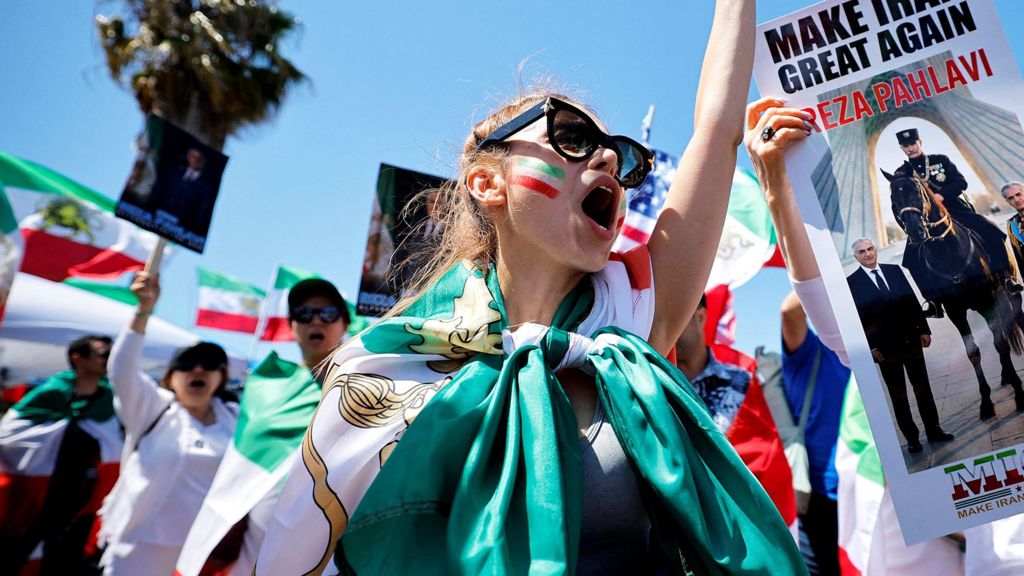
    Ahead of Iran’s opening 2022 World Cup group stage match against the United States, not New Zealand as initially referenced in early on-the-ground reports, hundreds of Iranian-American demonstrators gathered outside the match venue to stage a peaceful protest targeting both the Iranian national team and the country’s ruling clerical establishment in Tehran. According to on-site reporting from BBC correspondent Shaimaa Khalil, who was embedded with the media pool outside the stadium, protesters carried hand-painted signs, chanted anti-regime slogans, and called for an immediate end to the four-decade rule of Iran’s hardline clerical government. The demonstration marked one of the most high-profile acts of political protest tied to the 2022 FIFA World Cup, leveraging the global attention of soccer’s biggest tournament to amplify demands for political change in Iran amid a nationwide wave of anti-government unrest that had rocked the country for months preceding the competition. Many protesters made clear that their criticism extended to the Iranian national soccer squad, which they argued had refused to openly condemn the Tehran regime’s violent crackdown on civilian protesters back home, making the team a proxy for the government’s authority on the global stage. The rally drew widespread international media coverage, turning a routine World Cup match into a global talking point about the intersection of sport, politics, and human rights. Local law enforcement monitored the demonstration closely, but no reports of major violence or arrests emerged from the protest action.

  • What to know about the demining and escort mission that US allies want for the Strait of Hormuz

    What to know about the demining and escort mission that US allies want for the Strait of Hormuz

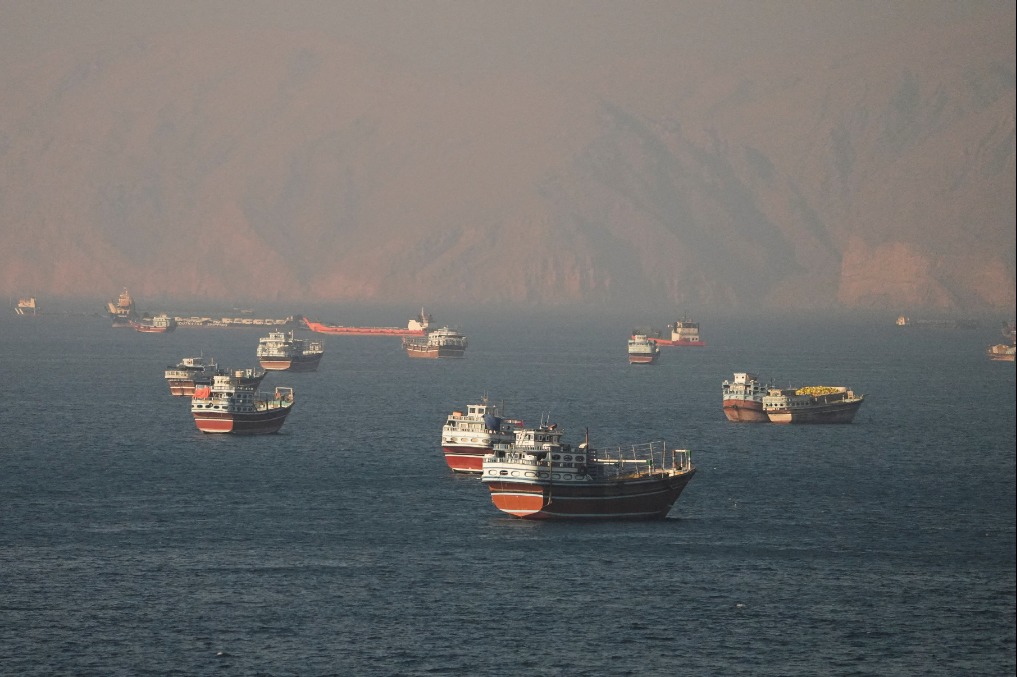
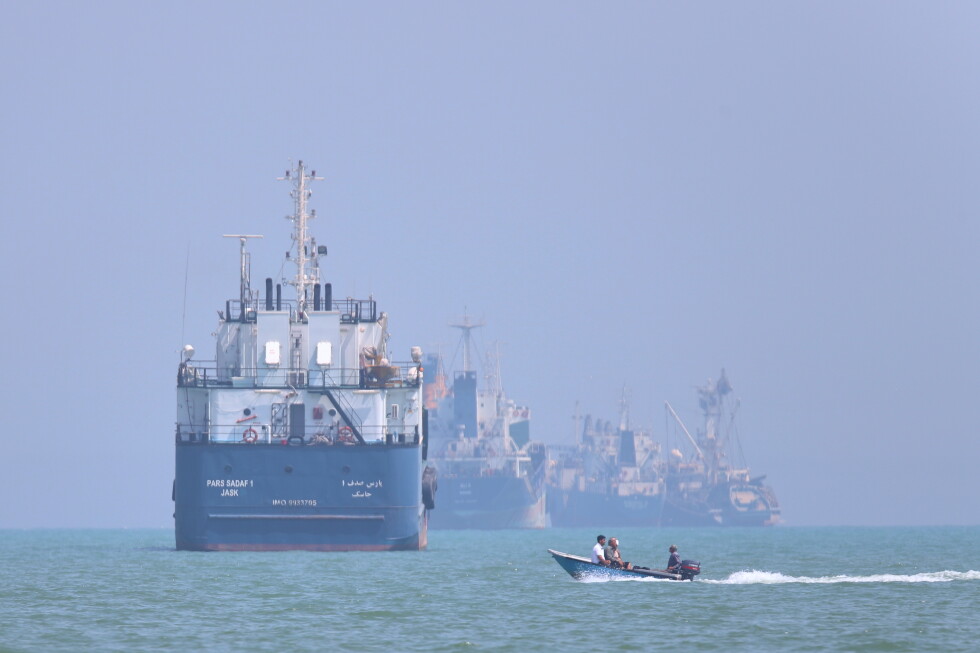
    EVIAN-LES-BAINS, France — Against the backdrop of a newly reached tentative ceasefire deal between the U.S. and Iran to end the recent conflict, Western G7 allies have spent months refining a plan for a defensive naval mission in the Strait of Hormuz, a critical global maritime chokepoint that drives much of the world’s energy supply. The proposal is designed to restore confidence among commercial vessel crews and maritime insurance providers, clearing the waterway of explosive ordnance and providing armed escort to guarantee safe passage for global shipping.

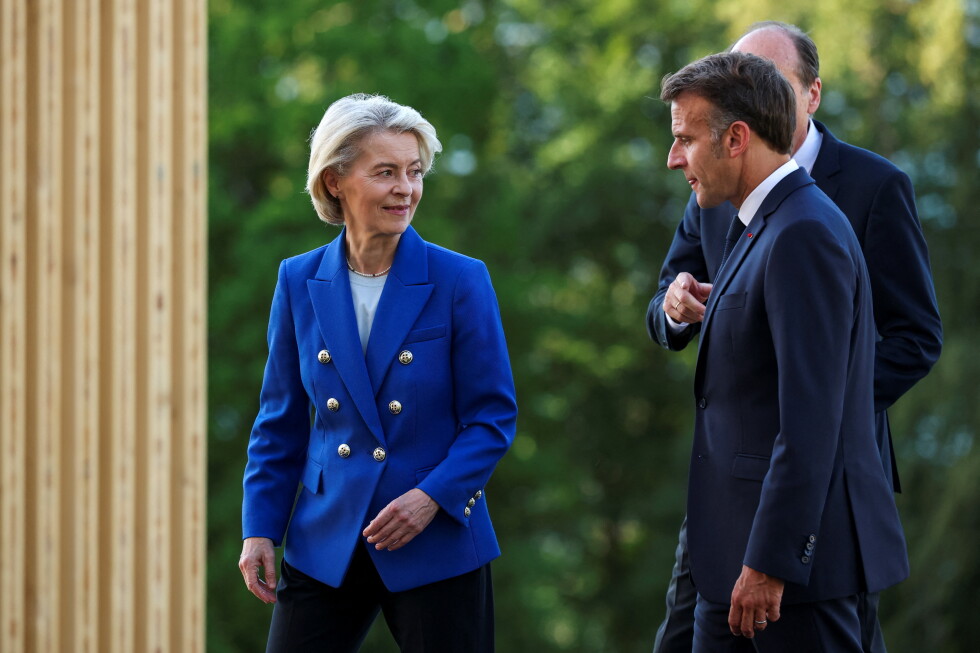
    The initiative has been spearheaded by France and the United Kingdom, with French President Emmanuel Macron first publicly floating the framework back in March, when active conflict across the region was still intensifying. At that time, Macron outlined that coalition warships would escort commercial tankers and container ships through the strait once hostilities subsided. The proposal gained the formal backing of Germany, Japan, Italy, and later Canada, all fellow G7 member states, which released a joint statement affirming their commitment to securing unconditional and unrestricted freedom of navigation through the strategic waterway as part of the post-ceasefire transition.

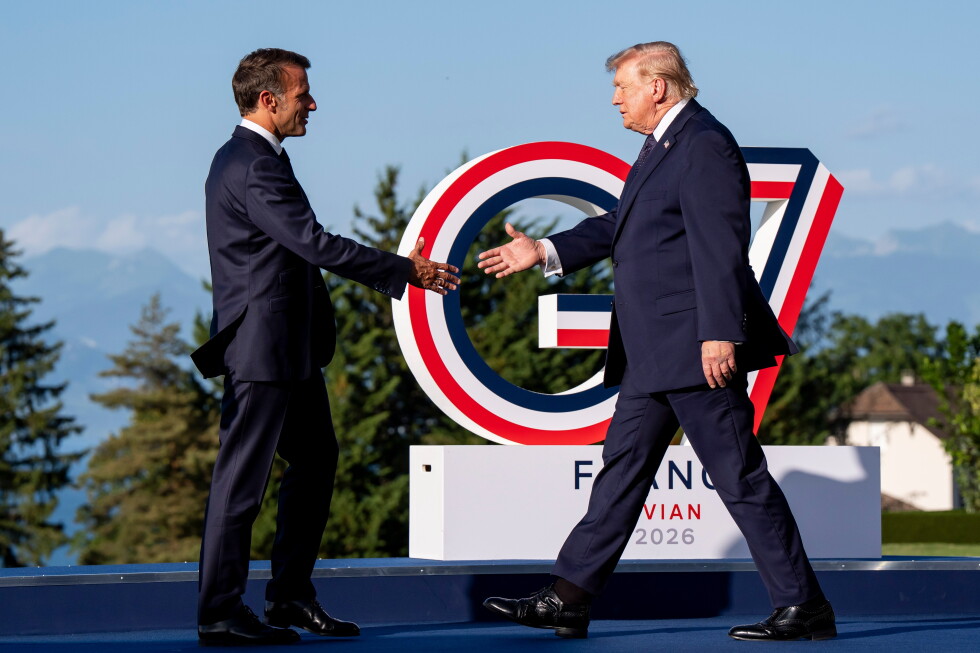
    Speaking to Macron on the sidelines of the Group of Seven summit in France on Monday, U.S. President Donald Trump struck a muted tone. He argued that a large-scale mission was unnecessary, asserting that the strait would soon be fully open to traffic under the terms of the tentative Iran agreement. Still, Trump offered cautious approval of the allied plan, noting that a small contingent of vessels from coalition partners would be a welcome contribution to regional security.

    Macron confirmed that French military assets are already positioned to deploy on short notice if the mission moves forward. France’s flagship nuclear-powered aircraft carrier, the Charles de Gaulle, which was dispatched to the eastern Mediterranean in early March before transiting the Suez Canal to the Arabian Sea, is already operating in the broader region. According to Macron, French fighter jets could begin surveillance flights over the strait as early as the day after his meeting with Trump, with frigates arriving within 48 hours and the Charles de Gaulle joining within two to three days. Other nations with existing military deployments in the region, including the United Kingdom, Italy, and the Netherlands, are also prepared to contribute assets quickly.

    “Of course, all this supposes that it is desired and requested,” Macron noted. “Perhaps it will not be wanted and perhaps it will not be necessary. But in any case, it reflects our willingness to help.”

    A core component of the mission is mine clearance operations. Explosive ordnance placed in the strait ranges from stationary seabed mines triggered by sound, movement or light to rocket-propelled and cabled devices, all of which pose a major lethal hazard to commercial shipping. Trump acknowledged that some mines have already been located, with clearance operations ongoing, and confirmed that the strait is already partially open to traffic. The United Kingdom has already highlighted its specialized mine-clearing expertise, hosting journalists aboard the Royal Fleet Auxiliary vessel RFA Lyme Bay off the coast of Gibraltar last month as the ship stood by for potential deployment.

    Coalition navies already have extensive on-the-ground experience escorting commercial vessels through hostile conditions in the broader Middle East region. Over recent months, French, British, and American warships have fended off repeated attacks on commercial shipping in the Red Sea carried out by Iran-aligned Houthi rebels based in Yemen. In 2024, the French frigate Alsace intercepted and destroyed three ballistic missiles while escorting a container ship through the Red Sea, its commander later describing continuous engagements as mentally and physically exhausting for crew. Similar high-tension operations have taken a toll on U.S. Navy personnel deployed to the region.

    If the ceasefire holds, analysts and military leaders anticipate the Strait of Hormuz mission will face far lower risks than recent Red Sea operations. Still, military planners are preparing for potential contingencies: Iran is still believed to hold large stockpiles of missiles, drones, and other offensive weaponry, so coalition warships would retain full defensive capabilities to repel attacks if the ceasefire collapses.

    Max Bergmann, an analyst specializing in Middle East security at the Washington-based Center for Strategic and International Studies, noted that the utility of the mission is tied directly to the success of the ceasefire. “Once there is a ceasefire, the need for a naval mission is significantly reduced,” he explained. While a joint British-French naval presence offers modest security benefits – raising the stakes for Iran to resume hostilities, demonstrating European commitment to Gulf ally states, and reassuring skittish shipping and insurance firms – Bergmann argued that observers should not overstate the mission’s overall impact.

    Planning for the mission has already drawn broad international participation beyond core G7 nations. Joint French-British organizing efforts have included consultations with representatives from more than 30 countries, stretching from Australia and South Korea in the Indo-Pacific to Gulf states Bahrain and Qatar, plus more than a dozen European nations. A planning meeting convened by France and the United Kingdom last month brought together defense officials and senior representatives from 38 countries to coordinate logistics and contribution commitments.

  • G7 leaders open summit talks on Ukraine and the Middle East as Zelenskyy joins in France

    G7 leaders open summit talks on Ukraine and the Middle East as Zelenskyy joins in France

    EVIAN-LES-BAINS, France — The Group of Seven’s annual gathering of the world’s major industrialized democracies opened its first full working day on Tuesday with a packed slate of high-stakes discussions, led by urgent negotiations to advance a resolution to Russia’s ongoing war in Ukraine and de-escalate simmering tensions across the Middle East. Ukrainian President Volodymyr Zelenskyy joined the summit in person after receiving an official invitation from France, the event’s host nation.

    The discussions around Ukraine come fresh off a major announcement from U.S. President Donald Trump, who revealed a landmark agreement to end the three-and-a-half-month U.S. military conflict with Iran. In recent weeks, the Iran confrontation pushed the nearly four-year-old Russian invasion of Ukraine out of global media and diplomatic headlines, marking a significant shift in geopolitical priorities. Trump confirmed Sunday that he held constructive separate talks with both Zelenskyy and Russian President Vladimir Putin, telling reporters during a Monday bilateral meeting with French President Emmanuel Macron that “now that this (Iran) is finished, we’re going to be focusing on that.”

    Macron has publicly outlined his goal to convince Trump to maintain long-standing U.S. military and diplomatic support for Ukraine and ramp up international pressure on Moscow to create conditions for a lasting peace deal. The push for talks comes against a grim backdrop: just hours before the summit’s official working sessions got underway, Russia launched a massive coordinated barrage of hundreds of drones and dozens of missiles targeting Ukraine’s largest urban centers. The attack left 11 civilians dead and destroyed a historic religious landmark, underscoring the ongoing intensity of the conflict even as diplomatic momentum builds.

    Tuesday’s agenda also includes a dedicated working session focused on “ending crises and ensuring stability in the Middle East,” with senior leaders from Egypt, Qatar, and the United Arab Emirates joining the G7 delegations for the talks. The Iran ceasefire agreement has already created new divisions between Trump and his European G7 counterparts, who have openly criticized the U.S. leader for failing to consult the alliance before launching military action against Iran. In recent weeks, Trump has even threatened retaliatory measures — including drawing down U.S. troop deployments in France, the United Kingdom, Germany, and Italy, all core NATO members — over their lack of public support for the Iran campaign.

    Despite these frictions, allied leaders have adopted a measured tone in Evian, eager to lock in rapid progress to reverse the economic damage caused by the months-long blockade of the Strait of Hormuz, a critical global chokepoint for oil supplies that drove energy prices higher in recent months. Just ahead of the summit, the leaders of France, Germany, Italy, and the United Kingdom released a joint statement — also signed by Canada — congratulating Washington, Tehran, and diplomatic mediators on what they called a “diplomatic breakthrough.” The statement emphasized that detailed follow-on negotiations and swift implementation of the ceasefire deal are essential to reopen the strait to commercial tanker traffic without delay.

    Macron added that France and other Western partners “are ready to take action very quickly” to support a peaceful reopening of the strait. Paris and London have already led planning for an international mission to reestablish maritime security in the waterway once conditions permit, though Trump downplayed the need for a large-scale multilateral military deployment during his meeting with Macron. “I don’t think we’re gonna need much help,” he said. “But I don’t think it’s a bad idea to have a ship or two up here from a few countries. You’d be a great country to do it.”

    Trump also celebrated early signs of economic relief following the ceasefire announcement, telling reporters: “I think a lot of great things are going to happen in the Middle East right now, and very importantly the oil is plummeting down and the stock market is shooting up like a rocket today.”

    On the Ukraine front, Monday brought a key symbolic milestone for Kyiv: the country officially launched European Union membership negotiations, a years-long process that will require sweeping political and institutional reforms even as the war with Russia continues. Ukraine frames EU accession as a core security guarantee for its long-term stability once hostilities end. While Kyiv views full NATO membership as its ultimate security safeguard, the Trump administration has openly ruled out Ukrainian NATO membership, and other Western allies remain wary of extending membership while the active conflict continues.

    Macron laid out his vision for peace talks in comments to French television, saying: “The right negotiation is one in which Ukraine and Russia are at the table, but with Europeans and Americans present as well.” The exchange of phone calls between Trump and both Zelenskyy and Putin — which took place Sunday, on the U.S. president’s 80th birthday — confirms that Washington has not abandoned diplomatic efforts to end the fighting that began with Russia’s full-scale invasion of Ukraine in early 2022.

    While campaigning to return to the White House, Trump infamously claimed he could end the entire Russia-Ukraine conflict within 24 hours of taking office. He has since acknowledged that reaching a lasting resolution has proven far more complex than his initial projection, and he has publicly voiced frustration at the slow pace of progress toward a ceasefire.

    Beyond the two core geopolitical topics, Tuesday’s schedule sees Trump hold one-on-one meetings with the Emir of Qatar and the President of the United Arab Emirates, before joining other delegations for an evening cultural performance and working dinner. The G7 bloc comprises France, the United States, Canada, Germany, Italy, Japan, and the United Kingdom. This year’s summit has also invited guest partner nations including Brazil, India, Kenya, and South Africa to participate in select working sessions.

  • China Shock 2.0: Surging Chinese exports threaten Europe’s economy, raising concern at G7 summit

    China Shock 2.0: Surging Chinese exports threaten Europe’s economy, raising concern at G7 summit

    For nearly a decade, the United States has maintained sweeping tariffs on Chinese imported goods, launching an aggressive economic campaign that was meant to curb China’s industrial and export growth. But eight years on, the policy has failed to weaken China’s manufacturing dominance — instead, it has simply redirected the flow of Chinese exports away from the U.S. and toward open markets across Europe and Asia, setting the stage for a new era of global trade friction.\n\nLast year, despite sweeping U.S. sanctions and tariffs, China notched a staggering $1.2 trillion global trade surplus, a record high that underscores its unshaken position as the world’s top exporter. Chinese goods that once flooded American store shelves and manufacturing facilities are now heading east and west to other major economies, a shift that economists are warning could spark a repeat of the 2000s “China Shock” that gutted hundreds of thousands of U.S. manufacturing jobs and fueled the political upheaval that carried Donald Trump to the White House twice.\n\nEuropean leaders have already sounded the alarm. Earlier this year, French President Emmanuel Macron openly acknowledged that surging cheap Chinese exports are “literally killing a large part of the European industry”, admitting the bloc was slow to recognize the growing risk. That risk will top the agenda when G7 leaders gather this week in the French alpine resort of Évian-les-Bains, with French officials indicating ahead of the summit that they aim to finalize a coordinated plan to address the challenge of unbalanced Chinese trade.\n\nOne of the most likely outcomes of the summit is a push for the European Union and other aligned economies to follow the U.S. example and erect higher trade barriers against Chinese imports. Currently, the EU adheres to relatively low baseline tariffs on Chinese goods under World Trade Organization rules, though it has already imposed targeted higher levies on specific products, reaching up to 35% on Chinese electric vehicles. That limited action could soon expand to broader tariffs if leaders agree on a unified front this week.\n\nThe warnings of coming friction are widespread among top trade economists. “China’s export surge, unless its leaders rein it in, will provoke a protectionist wave against Chinese imports worldwide,” said Maurice Obstfeld, senior fellow at the Peterson Institute for International Economics and former chief economist of the International Monetary Fund. “All the more so if the current disruptions around the Iran war persist and cause a sharper global slowdown.”\n\nHSBC economist Taylor Wang echoed that concern this month, noting that a full-blown China-EU trade dispute would hit a critical segment of Chinese exports: Europe is one of the largest markets for Chinese electric vehicles, solar panels, and lithium-ion batteries, all of which have seen explosive export growth in recent years. European leaders are also hoping to convince Trump to drop his punitive tariffs on U.S. allies including the EU and Canada, and instead build a coordinated transatlantic bloc to counter Chinese trade practices.\n\nExperts say this new “China Shock 2.0” is far different — and far more disruptive — than the wave of Chinese import competition that hit the U.S. in the 2000s. The first shock came after China joined the WTO in 2001, gaining low-tariff access to Western markets and flooding the U.S. and Europe with low-cost textiles, furniture, and basic electronics. A landmark study by economists David Autor, David Dorn, and Gordon Hanson found that first China Shock eliminated 2.4 million American manufacturing jobs alone.\n\nToday’s version of the shock unfolds against a vastly changed global trade landscape. In 2000, China held just 4% of global goods exports; today, that share has jumped to 16%, the largest of any country in the world, making Beijing’s trade policies far more impactful across the global economy. Unlike 20 years ago, when China was still an emerging manufacturing power, China now dominates global manufacturing across every tier, from low-cost basic goods to high-value advanced technology that directly competes with the core industries of wealthy Western economies.\n\nFed research published last month found that Chinese exports now compete with nearly 58% of all exports from the 21 Eurozone countries, up from just 46% in 2000. “The second China shock is characterized by its companies running the board on manufacturing exports — from low-tech, low-wage to high-tech high value-added industries,” said Cornell University economist Eswar Prasad. “This is directly hitting advanced economies where it now hurts the most — high tech industries such as EVs and high-end robotics that many countries had been counting on for a manufacturing revival.”\n\nGermany, long Europe’s industrial powerhouse and export giant, has already felt the sharpest pain. For decades, German automakers and industrial firms grew rapidly on demand from Chinese consumers; today, the trade balance has flipped: China now exports more goods to Germany than Germany exports to China, and German firms are struggling to compete with Chinese rivals in core sectors including industrial machinery, construction equipment, automobiles, and chemicals. That competition has been a key factor dragging Germany’s economy into stagnation, with the country contracting in both 2023 and 2024 and posting just 0.2% growth last year.\n\nFor the U.S., the risk of the new China Shock is far lower than it was two decades ago. Trump’s eight years of tariffs have already blocked a large share of Chinese goods from entering the U.S. market: U.S. Commerce Department data shows Chinese goods exports to the U.S. dropped 37% between January and April of this year, compared to the same period in 2025. The U.S. is also better positioned economically: it is energy independent, unlike the EU and Japan, and is currently enjoying a boom in productivity and investment driven by artificial intelligence.\n\nEven with falling sales to the U.S., China has still managed strong export growth thanks to surging global demand for its low-cost electric vehicles, and booming AI investment worldwide that has driven up sales of Chinese-made electrical components and data center machinery. Between January and May of this year, Chinese exports to the 27-nation EU climbed 16.4% year-over-year, pushing France’s trade deficit with China up to $5.3 billion from $3.3 billion just a year earlier, according to Chinese customs data.\n\nEconomists point to long-standing Chinese domestic policies as the root of the global overcapacity problem. State-owned Chinese banks offer artificially low-interest loans to state-backed manufacturing firms, encouraging overproduction, while a underdeveloped social safety net pushes Chinese households to save heavily instead of spending on domestic goods and services. These policies are designed to keep factories operating and unemployment low, but they create a massive excess of domestic manufacturing supply that must be dumped onto global export markets at cutthroat prices.\n\nBeijing has also fostered intense domestic competition between manufacturing firms, creating highly efficient, low-cost exporters that Western markets are ill-prepared to compete against. “The rest of the world is ill prepared to compete with these apex predators,” Autor and Hanson wrote in a 2024 New York Times column.\n\nFor decades, China has promised Western leaders that it would reform these policies, cutting overproduction and boosting domestic consumer spending — a shift that would reduce China’s reliance on exports, raise living standards for Chinese households, and open up a larger market for Western exports to China. But experts say Beijing has been slow to follow through on those promises. “The leadership has long said this is a goal,” Obstfeld said, “but they have been slow to act as if they mean it.”\n\n“Beijing has been relying on the rest of the world to address its overcapacity problem,” said Wendy Cutler, a former U.S. trade negotiator now serving as senior vice president at the Asia Society Policy Institute. “However, this unsustainable situation may soon change if the EU and others take steps to halt Chinese imports, following the U.S. lead.”

  • 6.7 magnitude earthquake shakes part of Indonesia

    6.7 magnitude earthquake shakes part of Indonesia

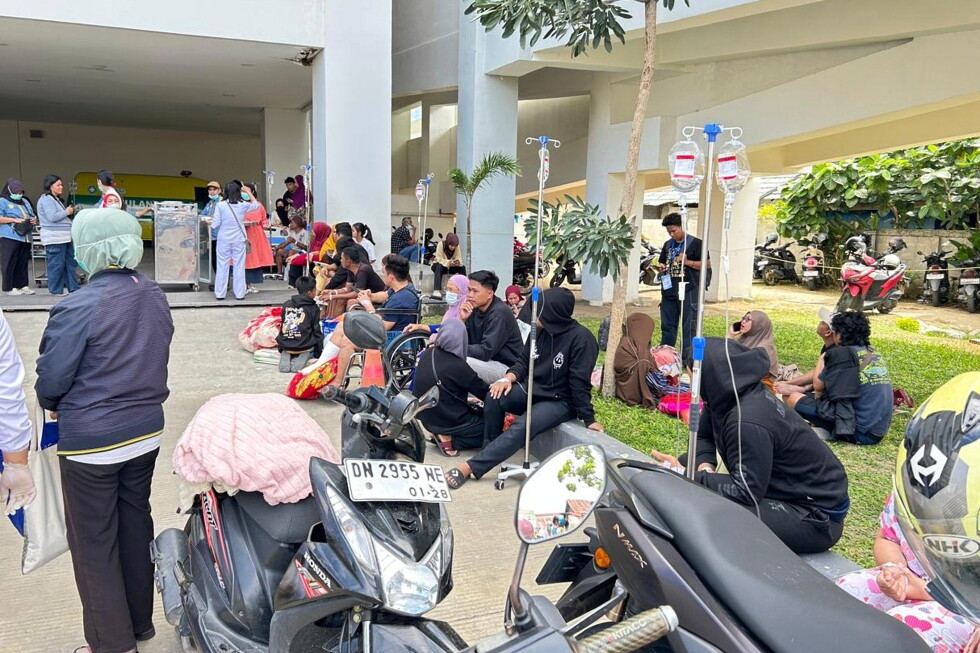
    On Tuesday, a 6.7-magnitude seismic event rattled a large section of Indonesia’s Sulawesi island, triggering a series of powerful aftershocks that heightened anxiety among local residents still recovering from devastating quakes in recent years. The initial tremor produced intense shaking that persisted for over one minute across Palu, a coastal city of roughly 400,000 people that serves as the administrative capital of Central Sulawesi province.

    Preliminary assessments confirm scattered structural damage across the affected area. As a precautionary safety step, multiple medical facilities in the region moved all patients outdoors, with some patients remaining connected to intravenous drips during the evacuation. As of the latest updates, official data on injuries or fatalities has not yet been released.

    According to the U.S. Geological Survey, the epicenter of the main quake was located 43 kilometers east-southeast of Palu, at a relatively shallow depth of approximately 10 kilometers below the Earth’s surface. Among the aftershocks recorded in the hours after the initial temblor, the strongest registered a magnitude of 5.2. Authorities have ruled out any risk of a tsunami following the seismic activity.

    Indonesia sits along the Pacific Ring of Fire, a geologically active region crisscrossed by numerous tectonic faults that make frequent earthquakes and volcanic eruptions a regular threat for the archipelago nation. For residents of Sulawesi, this latest quake has revived painful memories of the 2018 7.5-magnitude disaster that destroyed much of Palu. That event spawned a 3-meter-high tsunami and triggered destructive soil liquefaction, which caused entire neighborhoods to collapse into the ground. The 2018 disaster claimed the lives of more than 4,000 people.

    More recently, in January 2021, a 6.2-magnitude quake struck near the Sulawesi city of Mamuju, killing at least 100 people and forcing thousands of survivors to camp outdoors for multiple days amid ongoing fears of additional aftershocks.

  • Japan raises interest rate to highest since 1995

    Japan raises interest rate to highest since 1995

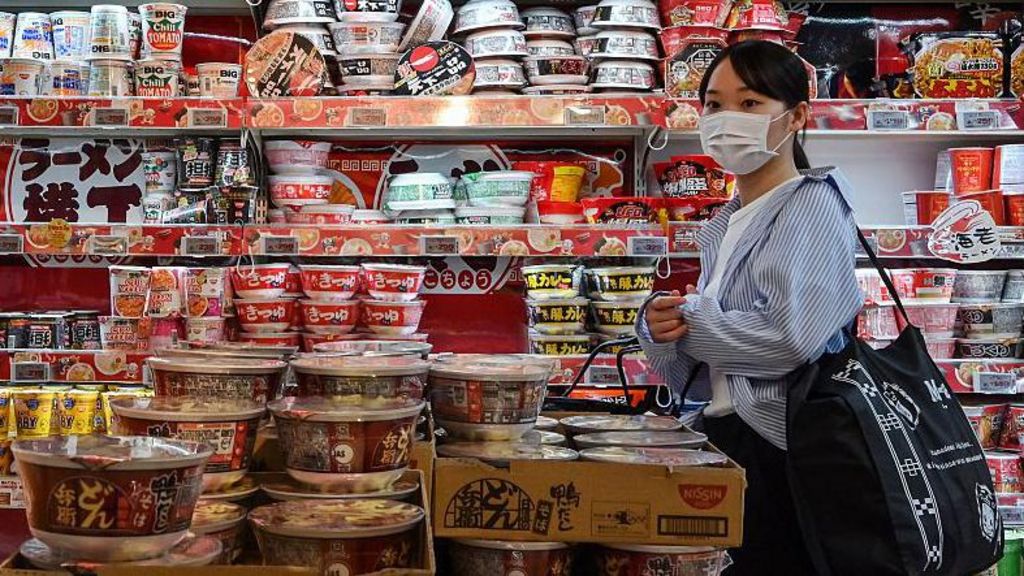
    In a landmark shift that marks the end of decades of ultra-loose monetary policy, Japan’s central bank has raised its benchmark policy rate to 1%, the highest level the country has seen since 1995. The 25 basis point hike, announced on Tuesday, comes amid mounting global inflationary pressures driven by skyrocketing energy costs linked to ongoing geopolitical tensions in the Middle East.

    Japan’s journey to this rate adjustment stretches back more than 30 years. After a massive collapse in property and equity asset prices in the early 1990s, the Bank of Japan (BOJ) slashed interest rates aggressively to counter economic fallout. For nearly two decades, rates held near zero as the country grappled with persistent deflation and stagnant economic growth. It was not until March 2024 that the BOJ initiated its first rate hike in 17 years, kicking off a gradual process of policy normalization that continues today.

    “After twenty years of deflation, Japan is now in an inflationary upcycle,” Jesper Koll, a veteran Japan economist, told the BBC. “Emergency/crisis management monetary policy is no longer needed and the BOJ wants to get back to a normal monetary policy.”

    The push for higher rates has been fueled largely by surging global energy prices, which have hit Japan particularly hard as a nation heavily reliant on imported oil and gas from the Middle East. Data shows Japan’s wholesale prices jumped more than 6% year-on-year in May, marking the fastest pace of increase in three years. Curiously, though, the country’s core consumer inflation rate stands at 1.4% as of April, still below the BOJ’s official 2% inflation target.

    This dynamic leaves the central bank navigating a delicate balancing act. While raising interest rates can help cool overheating inflationary pressures, higher borrowing costs also create new burdens for the Japanese government and private businesses, which have grown accustomed to decades of cheap credit. Adding an unusual element to this week’s decision, BOJ Governor Kazuo Ueda – the leading architect of the bank’s recent policy shifts – was absent from the monetary policy meeting as he recovers from treatment for an infected liver cyst in hospital.

    Despite his absence, Ueda has already signaled his support for incremental rate hikes in recent public remarks. Earlier this month, he noted that if upside risks to inflation were judged to outweigh downside risks to economic growth – even amid an uncertain outlook – policymakers would need to thoroughly debate the merits of raising the policy rate. Ueda and other BOJ leaders have increasingly backed higher rates in recent months.

    The adjustment also puts the central bank at a quiet crossroads with Prime Minister Sanae Takaichi, a leader who has campaigned for continued expansionary government spending and previously opposed rate hikes. Though Takaichi faces growing public pressure to rein in rising living costs, she has not publicly criticized the BOJ’s policy shift since taking office last year. This latest rate increase is the second since Takaichi assumed office, following a December 2025 hike that brought rates to 0.75% – a move that had already signaled the BOJ’s intention to continue tightening.

    Another key driver behind the decision is the BOJ’s goal of stabilizing the Japanese yen, which has faced sustained downward pressure against major global currencies including the U.S. dollar and euro. “There has been a sense that the yen is too cheap and that raising its currency will not hurt,” explained Ulrike Schaede, a business professor at the University of California San Diego.

    Even after the latest hike, Japan’s 1% policy rate remains far lower than interest rates in other major advanced economies. For context, both the U.S. Federal Reserve and the Bank of England currently hold rates above 3%, though both central banks are widely expected to hold rates steady at their upcoming policy meetings this week. Still, Schaede argues that Japan’s gradual shift away from ultra-loose policy could signal a broader realignment in global monetary conditions.

    “What we are seeing could signal a slow global realignment,” Schaede said.

  • Iran opens its politically charged World Cup by playing to a 2-2 draw with New Zealand

    Iran opens its politically charged World Cup by playing to a 2-2 draw with New Zealand

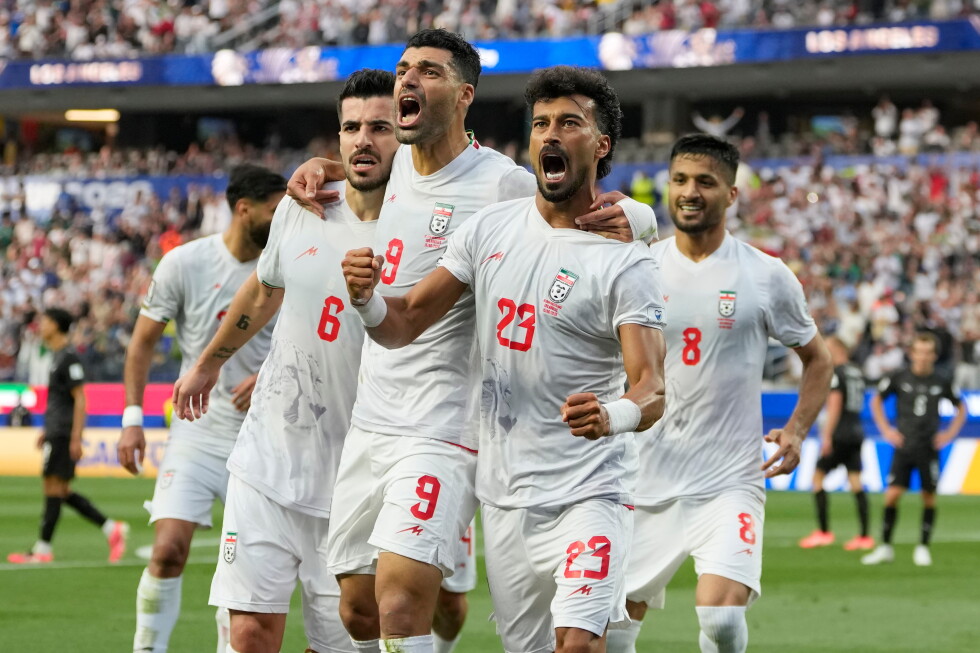
    Against a backdrop of geopolitical upheaval, fan divisions, and unprecedented logistical hurdles, Iran’s national men’s football team clawed back from two deficits to secure a dramatic 2-2 opening Group Stage draw with New Zealand at SoFi Stadium in Inglewood, California, on Monday night.

    The tournament has been far from the typical celebration of sport for Team Melli. Since regional conflict involving the U.S. and Israel against Iran began on February 28, the Iranian squad’s World Cup journey has been marked by constant turmoil. The team requested FIFA to relocate its three group-stage matches away from the U.S. due to the conflict, but governing body rejected the appeal, forcing Iran to proceed with the schedule if it wanted to compete, a decision the federation ultimately made.

    To adapt to the situation, Iran arranged a highly unusual travel and training routine: the squad moved its permanent base from Arizona to Tijuana, Mexico, and flies into the U.S. only one day before each match, returning to Mexico immediately after the final whistle. Team captain Mehdi Taremi acknowledged that this tournament has been a draining experience, stripped of much of the joy that football typically brings to him and his teammates.

    Monday’s match took place just outside Los Angeles, a region home to the largest population of Iranian diaspora in the world outside Iran itself. The pre-match atmosphere reflected the deep divisions within the community: several hundred Iranian Americans gathered outside the stadium to protest the Iranian government, while inside the venue, many diaspora fans voiced their opposition by turning their backs to the pitch during the playing of the Iranian national anthem. Despite these pre-match tensions, nearly all in attendance shifted their support to the Iranian players once the opening whistle blew, packing the stands to cheer the team on.

    On the pitch, it was New Zealand that struck first, stunning the pro-Iranian crowd in the 7th minute. All Whites captain Chris Wood intercepted a poor Iranian goal kick, held the ball under pressure, and played a through pass to Elijah Just, who volleyed a clinical finish into the net amid a crowd of defenders to put New Zealand 1-0 up.

    Iran gradually found its rhythm after the early shock, and equalized in the 32nd minute. Veteran winger Ramin Rezaeian curled a deft chip into the net with the outside of his boot, leaving the New Zealand goalkeeper with no chance to stop the strike.

    New Zealand reclaimed the lead in the 54th minute, as Wood again set up his strike partner. The captain held up play on the edge of the box before finding Just, who fired another low shot through traffic to put the All Whites back on top. The side, ranked 85th in the world—65 spots below Iran—held the lead for just 10 minutes before Iran struck back once more.

    In the 64th minute, Rezaeian turned provider, delivering a perfectly weighted long pass that found forward Mohammad Mohebbi unmarked at the edge of the six-yard box. Mohebbi directed a header into the back of the net to level the score at 2-2. Both teams carved out clear scoring chances in the remaining 26 minutes of play, but neither could find a game-winning finish, with the score holding to full time.

    After the final whistle, players from both sides exchanged handshakes and embraces, with at least one player swapping jerseys with an opponent. While Iranian head coach Amir Ghalenoei remained alone in the dugout after the match, his players walked a lap of the pitch together, applauding the thousands of flag-waving, cheering fans who supported them through the turbulent opening match.

    For New Zealand, the result was an impressive outcome against a far higher-ranked opponent. The All Whites, the lowest-ranked team in this year’s 48-team expanded World Cup, have now gone winless across all three of their World Cup appearances in history, but matched their total goal output from both of their prior World Cup campaigns in a single match. This tournament marks New Zealand’s first World Cup appearance since 2010, and the first time the side claimed an automatic qualifying spot from the Oceania Football Confederation after the World Cup expanded from 32 to 48 teams.

    Iran, ranked 20th globally, is making its seventh World Cup appearance and its fourth consecutive qualification, but has never advanced past the group stage, leaving the squad with everything to play for in its remaining two group matches.

  • Trump says Iran deal is ‘all signed’, Hormuz Strait to fully reopen by Friday

    Trump says Iran deal is ‘all signed’, Hormuz Strait to fully reopen by Friday

    Speaking on the sidelines of the G7 summit in France alongside French President Emmanuel Macron on Monday, former and current US President Donald Trump made a landmark announcement: a long-negotiated agreement between the United States and Iran is “all signed,” paving the way for the full reopening of the strategically critical Strait of Hormuz by the end of this week. The key waterway, which carries roughly a fifth of the world’s daily oil trade, is already partially open for maritime traffic, Trump confirmed. According to US media reports, the two sides have completed an electronic signing of a peace memorandum designed to end a 15-week armed conflict between Washington and Tehran. The virtual signing was completed by Trump, US Vice President JD Vance, and Iranian Parliament Speaker Mohammad Bagher Ghalibaf, multiple sources familiar with the process have confirmed. A senior anonymous official quoted in early reporting noted that the full text of the memorandum’s terms will be declassified and released to the public within 24 to 48 hours of the announcement. Explaining the gradual reopening of the strait, Trump noted that clearing operations are already underway to remove explosive mines placed in the waterway during the conflict. “They’re doing a little hunting for a couple of mines that they’ve already found, but … ships are starting to go out now,” Trump told reporters. “On Friday, it’ll be completely open.” Trump also confirmed he would not attend a formal public signing ceremony for the agreement, announcing instead that Vice President Vance will travel to Geneva to complete the official signing on behalf of the United States. Despite the breakthrough between Washington and Tehran, significant uncertainty hangs over broader regional stability, particularly in Lebanon. Iranian officials have claimed the new agreement includes provisions to end active conflict in southern Lebanon, but Israel’s defense minister has already publicly rejected that framing, confirming Israeli military forces will remain deployed in the southern portion of the country. The diplomatic breakthrough comes after a public rift between Trump and Israeli Prime Minister Benjamin Netanyahu, who launched an airstrike on Beirut before the framework of the US-Iran agreement could be announced — a move that drew explicit anger from the White House. Details of the full peace deal ending the 15-week US-Iran conflict remain under wraps as of Monday, leaving global markets and regional allies waiting for clarity on the long-term terms of the new agreement.

  • Bloody cage match on White House lawn marks Trump’s 80th birthday

    Bloody cage match on White House lawn marks Trump’s 80th birthday

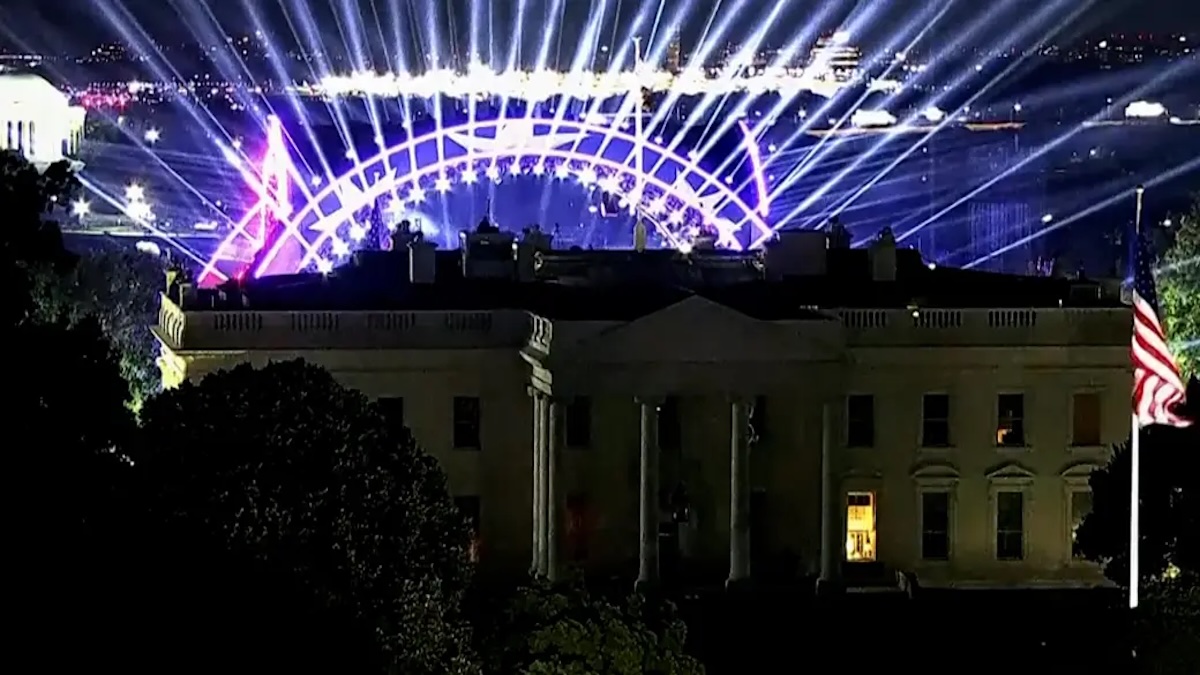
    On a historic weekend in June 2026, former and current U.S. President Donald Trump marked his 80th birthday from cageside at a $60 million professional mixed martial arts event hosted directly on the White House South Lawn, a one-of-a-kind spectacle that also doubled as an unofficial celebration of the United States’ 250th founding anniversary. Staged by Las Vegas-based Ultimate Fighting Championship (UFC) and branded as “Freedom 251,” the high-profile event was broadcast exclusively to paying subscribers of streaming platform Paramount+, and has drawn fierce criticism for its unprecedented use of presidential grounds for a private commercial sports event.

    The event broke longstanding norms for White House usage in multiple unprecedented ways. For the first time, live pre-fight sports commentary was broadcast from inside the White House’s main building, while competing fighters converted executive offices in the adjacent Eisenhower Executive Office Building into makeshift locker rooms for pre-bout warmups. A temporary 4,300-seat arena was constructed on the South Lawn for VIP guests, while tens of thousands of additional UFC fans gathered on the nearby Ellipse, where two massive outdoor screens broadcast the bouts live.

    Organized at an estimated total cost of $60 million, according to government court filings, the event offered premium VIP sponsorship packages that granted cageside access for as much as $1.5 million per spot. The event drew a high-profile guest list that included top sitting government officials, influential congressional leaders, and major tech industry figures. Attendees included House Speaker Mike Johnson, Representative Jim Jordan, Senate Majority Leader John Thune, Meta CEO Mark Zuckerberg, Crypto.com CEO Kris Marszalek, and Polish President Karol Nawrocki. Secretary of State Marco Rubio, who signed a formal “sports diplomacy” agreement with UFC earlier that same week, was also in attendance, along with Acting Attorney General Todd Blanche, Trump’s former personal defense attorney and his pick to lead the Department of Justice. The evening also included a range of patriotic extras: a joint formation flyover by the U.S. Air Force Thunderbirds and Navy Blue Angels, a live performance of the national anthem by country star Zac Brown, a set from the Marine Corps band, a late-night B-1 bomber flyover, and a concluding fireworks display that extended past 1 a.m. local time, sparking complaints from nearby Washington, D.C. residents who reported being woken by the noise and bright lights from the 92-foot steel canopy erected over the octagon cage.

    The event quickly became mired in controversy after one winning fighter used his live post-fight interview to spread a baseless right-wing conspiracy theory targeting former first lady Michelle Obama. Josh Hokit, a former NFL player who won his bout, insulted his Brazilian opponent’s mother before repeating the false claim that Michelle Obama is a man, during an interview with popular podcaster Joe Rogan, who did not push back on the comment. After the remark, Hokit placed his victory chain around President Trump’s neck in a widely photographed moment that was shared publicly on social media by a White House staffer. Notably, the official clip of Hokit’s speech posted to UFC’s YouTube channel edited out the false and offensive comment about the former first lady.

    Throughout the night, many competitors wove political praise for Trump and overtly partisan messaging into their post-fight remarks. Between statements honoring the U.S. military and professing faith in Jesus Christ, fighters delivered expletive-laden taunts and praise for Trump’s decision to host the event at the White House. Of the 14 fighters competing across seven bouts, eight were American, and the crowd regularly broke into chants of “USA!” During one bout, American bantamweight Sean O’Malley’s corner shouted taunts that Canada should become the “51st state” as O’Malley defeated Canadian fighter Aiemann Zahabi, earning a handshake and applause from Trump. The main event lightweight title fight ended in a TKO victory for American Justin Gaethje over Spanish-Georgian contender Ilia Topuria, who was deemed unable to continue after sustaining a bloodied facial injury. All winning fighters received a $250,000 performance bonus sponsored by World Liberty Financial, a cryptocurrency venture owned by the Trump family.

    The event was not affiliated with America 250, the nonpartisan congressional commission officially tasked with organizing the U.S. 250th anniversary celebrations, a distinction that added to criticism of the private partisan use of public presidential property. A last-minute lawsuit challenging the legality of UFC’s commercial use of the White House South Lawn was unsuccessful, allowing the event to proceed as planned. Critics, including a coalition of activist groups and high-profile celebrities, organized opposition to the event: a coalition led by activist Jane Fonda called the Committee for the First Amendment staged a counter-concert, while the “No Kings” protest group organized a remote livestreamed “Rise Up, Sing Out” concert featuring performances from artists including Patti Smith, Bette Midler, and Rufus Wainwright, which was also streamed by C-SPAN. UFC retained full control over media credentialing for the event held on White House grounds, further drawing criticism over restricted press access.