博客

  • Cuba launches mass demonstration to decry US attack on Venezuela and demand Maduro’s release

    Cuba launches mass demonstration to decry US attack on Venezuela and demand Maduro’s release

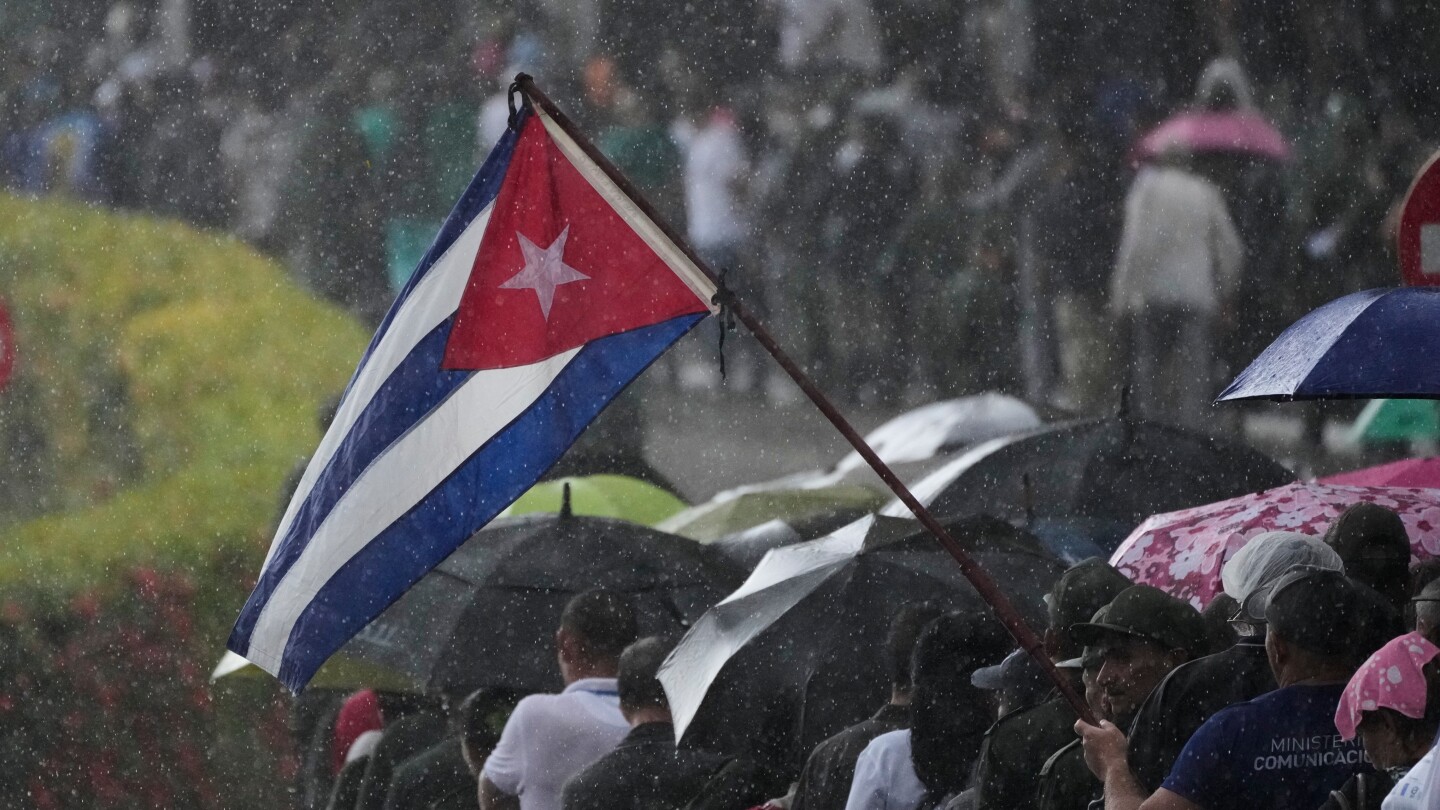
    HAVANA — In a powerful display of political solidarity, tens of thousands of Cuban citizens converged Friday upon Havana’s iconic Anti-Imperialist Tribune plaza, situated directly opposite the United States Embassy. The government-organized demonstration served as both a memorial for 32 Cuban security officers killed during a January 3rd operation in Venezuela and a protest against U.S. foreign policy.

    Participants waved Cuban and Venezuelan flags amidst the coastal breeze along Havana’s waterfront, creating a sea of national colors. President Miguel Díaz-Canel personally engaged with the assembled crowd, many bundled against the unseasonable chill. The gathering echoed with Cuba’s national anthem, symbolizing what government officials characterized as unified resistance against external threats.

    The catalyst for this massive gathering stems from a controversial U.S. military action in Caracas that resulted in the deaths of three dozen Cuban officers who formed part of former Venezuelan president Nicolás Maduro’s security detail. The operation, intended to apprehend Maduro on drug trafficking charges, has significantly escalated tensions between Havana and Washington.

    Cuba’s Foreign Ministry utilized social media platform X to declare: “The entire Nation rises up! This constitutes a resounding response to those who dare to threaten the peace and sovereignty for which we have fought so hard.”

    The demonstration occurred against a backdrop of increasingly strained relations following President Donald Trump’s recent statements demanding Cuba “make a deal” before facing unspecified consequences. Trump additionally announced measures to disrupt Cuba’s access to Venezuelan oil resources, which experts warn could have devastating effects on an already struggling Cuban economy experiencing severe energy shortages.

    This show of popular strength evolved into what Cubans term a “combatant march,” a tradition dating back to Fidel Castro’s leadership era. The event follows Thursday’s solemn ceremonies where thousands paid respects to the slain officers at the Ministry of the Armed Forces headquarters. The officers’ remains returned to Cuba Thursday morning, with memorial services scheduled across all provincial capitals before Friday afternoon interments.

    The Trump administration has notably intensified economic sanctions against Cuba, continuing a policy framework established in the 1960s but implementing additional measures that have significantly constrained the island nation’s economy—an outcome explicitly acknowledged by White House officials.

  • CIA director had two-hour meeting with new Venezuelan leader in Caracas

    CIA director had two-hour meeting with new Venezuelan leader in Caracas

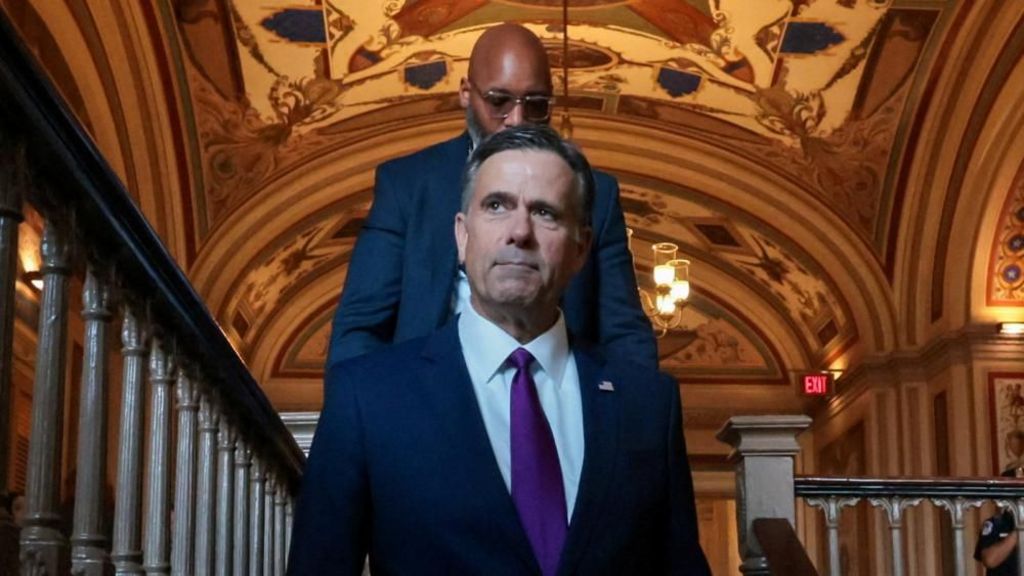
    In a significant diplomatic development, CIA Director John Ratcliffe conducted a high-level meeting with Venezuela’s Interim President Delcy Rodríguez in Caracas on Thursday. The two-hour discussion, authorized by President Donald Trump, marked the first cabinet-level US official visit to Venezuela amid shifting political dynamics following the capture of former President Nicolás Maduro.

    The meeting focused on establishing trust and communication channels between the two nations, with particular emphasis on economic collaboration and regional security concerns. A US official stated the dialogue reinforced that Venezuela could no longer serve as a safe haven for America’s adversaries. The encounter occurred concurrently with Rodríguez delivering her inaugural state of the union address, where she announced substantial reforms to Venezuela’s oil industry policies.

    Rodríguez, sworn in on January 5th after US forces detained Maduro and his wife on drug trafficking charges in New York, struck a balanced tone in her national address. While expressing willingness to engage in political dialogue with the United States, she emphasized Venezuela’s commitment to defending its sovereignty and honor. The interim president notably declared she would travel to Washington if necessary, but only “walking on her feet, not dragged there.”

    The proposed hydrocarbon law reforms represent a dramatic shift from Maduro’s policies, potentially allowing foreign companies to operate without mandatory partnership with state-owned PDVSA, which previously required majority stakes. Rodríguez announced plans to establish two sovereign funds—one dedicated to social protection directing currency to hospitals, schools, and food security, and another for infrastructure development addressing water, electricity, and transportation needs.

    This diplomatic engagement occurs against the backdrop of Venezuela’s severe economic crisis, characterized by hyperinflation and food shortages that have left citizens struggling for basic necessities. While Trump has encouraged US oil companies to invest approximately $100 billion in Venezuela’s vast oil reserves, industry executives remain cautious, describing the country as currently “uninvestable” without significant structural changes.

    The White House has asserted direct control over Venezuelan oil sales, with Trump stating American administration would determine which firms operate in the region, explicitly noting “You’re not dealing with Venezuela at all.” This arrangement, according to Trump, would contribute to lower energy prices in the United States while generating revenue for both nations.

    Chevron remains the last major US oil company operating in Venezuela, which maintains the world’s largest proven oil reserves despite a century of complicated relationships with international energy firms.

  • Why Dubai wants more than half students to use school transport

    Why Dubai wants more than half students to use school transport

    Dubai’s transportation authorities have unveiled a strategic initiative to transform student commuting patterns, targeting a major reduction in traffic congestion around educational institutions. The Roads and Transport Authority (RTA) aims to increase school bus and shared transportation usage to 60% of all students within a three-year timeframe, according to senior official Adel Shakri.

    The recently launched school bus pooling service represents the cornerstone of this comprehensive strategy. Designed specifically for students aged 14 and above, this innovative service guarantees a maximum 60-minute commute from home to school while offering substantial cost savings. The pilot program, implemented in collaboration with Yango Group and Urban Express Transport, currently serves five schools in Dubai’s Al Barsha area: Bloom Academy, Brighton College, GEMS Founders School, GEMS Al Barsha National School, and Dubai American Academy.

    Shakri, director of planning and business development at RTA’s public transport agency, emphasized the dual benefits of the initiative. “Our primary objectives are reducing travel duration and making transportation more affordable for families,” he stated during the Dubai International Project Management Forum. The shared service model is projected to lower costs by 10-15% compared to existing transportation options while simultaneously decreasing commute times by at least 15-20%.

    The geographic zone-based approach will group multiple schools within defined areas, optimizing routes and maximizing efficiency. This systematic reorganization of student transportation addresses both environmental concerns and practical commuting challenges faced by parents and educational institutions alike. The initiative represents a significant step in Dubai’s broader urban mobility strategy, potentially serving as a model for other metropolitan areas grappling with school-related traffic congestion.

  • Germany returns stolen fragments of Bayeux Tapestry to France

    Germany returns stolen fragments of Bayeux Tapestry to France

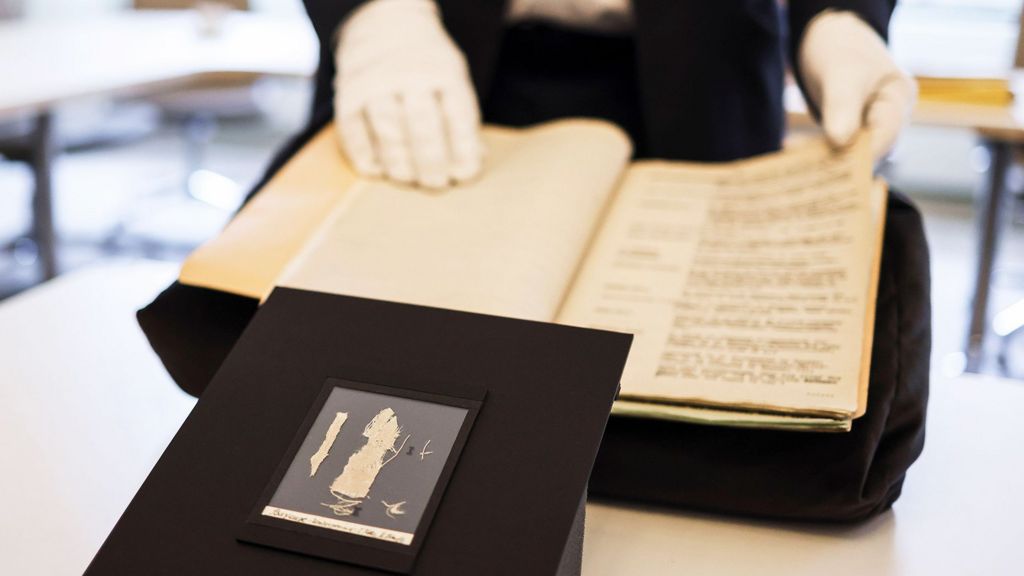
    In a significant act of historical restitution, Germany has formally repatriated two small fragments of the renowned Bayeux Tapestry to France. The pieces of unembroidered linen fabric, each measuring just a few centimeters, were stolen during the Nazi occupation of France in 1941.

    The fragments were discovered unexpectedly in 2023 by historians conducting an inventory at the state archives in Schleswig-Holstein, northern Germany. They were found among the collection of the late German textile specialist Karl Schlabow, preserved on a glass plate with identifying documentation. Schlabow, who died in 1984, had been sent to Bayeux as part of a Nazi SS research team studying Germany’s so-called ‘ancestral heritage’—a project steeped in racist and antisemitic ideology.

    Rainer Hering, head of the Schleswig-Holstein archive, presented the fragments to the mayor of Bayeux on Thursday, stating it was ‘obvious’ that these culturally significant artifacts, taken by the Nazis 85 years earlier, must be returned to France. The fragments are believed to have been removed from the underside of the tapestry.

    The Bayeux Tapestry itself is a massive 70-meter (230-foot) embroidery that vividly depicts the Norman conquest of England in 1066, including William the Conqueror’s seizure of the English throne from Harold Godwinson at the Battle of Hastings. The work features 58 scenes spanning two decades of history, with 626 characters and 202 horses.

    This restitution comes as the complete tapestry prepares for a controversial loan to the British Museum in London scheduled for September. The move has faced substantial opposition, with over 77,000 people signing a petition citing the artwork’s fragility. Prominent UK artist David Hockney has called the transportation plan ‘madness,’ asserting that ‘some things are too precious to take a risk with.’

    In response, the British Museum has vowed to implement stringent protective measures, backed by an unprecedented £800 million insurance policy from the UK government. Recognized for its immense historical value to both British and French heritage, the Bayeux Tapestry was inscribed on UNESCO’s ‘Memory of the World’ register in 2007.

  • Xi receives credentials of new ambassadors to China

    Xi receives credentials of new ambassadors to China

    China Daily Information Co (CDIC) has issued a formal copyright notice asserting exclusive ownership of all content published across its digital platforms. The comprehensive declaration covers textual materials, photographic content, multimedia information, and all other published elements appearing on the company’s website.

    The notice explicitly prohibits republication or utilization of any protected content without obtaining prior written authorization from CDIC. This legal safeguard extends to all forms of content usage, establishing clear boundaries against unauthorized distribution or commercial exploitation of the company’s intellectual property.

    Additionally, the publication provides technical recommendations for optimal user experience, suggesting browsers with 1024*768 resolution or higher for proper site functionality. The notice concludes with reference to the organization’s multimedia publishing license (0108263) and registration number (130349), further establishing its legitimate operational status.

    The footer section includes navigational links to organizational information pages, advertising opportunities, contact channels, and employment sections specifically catering to expatriate professionals. The company also encourages audience engagement through social media platforms with its ‘FOLLOW US’ prompt, indicating a balanced approach between content protection and community building.

  • Russian court considers central bank’s $232B lawsuit against Euroclear over seized assets

    Russian court considers central bank’s $232B lawsuit against Euroclear over seized assets

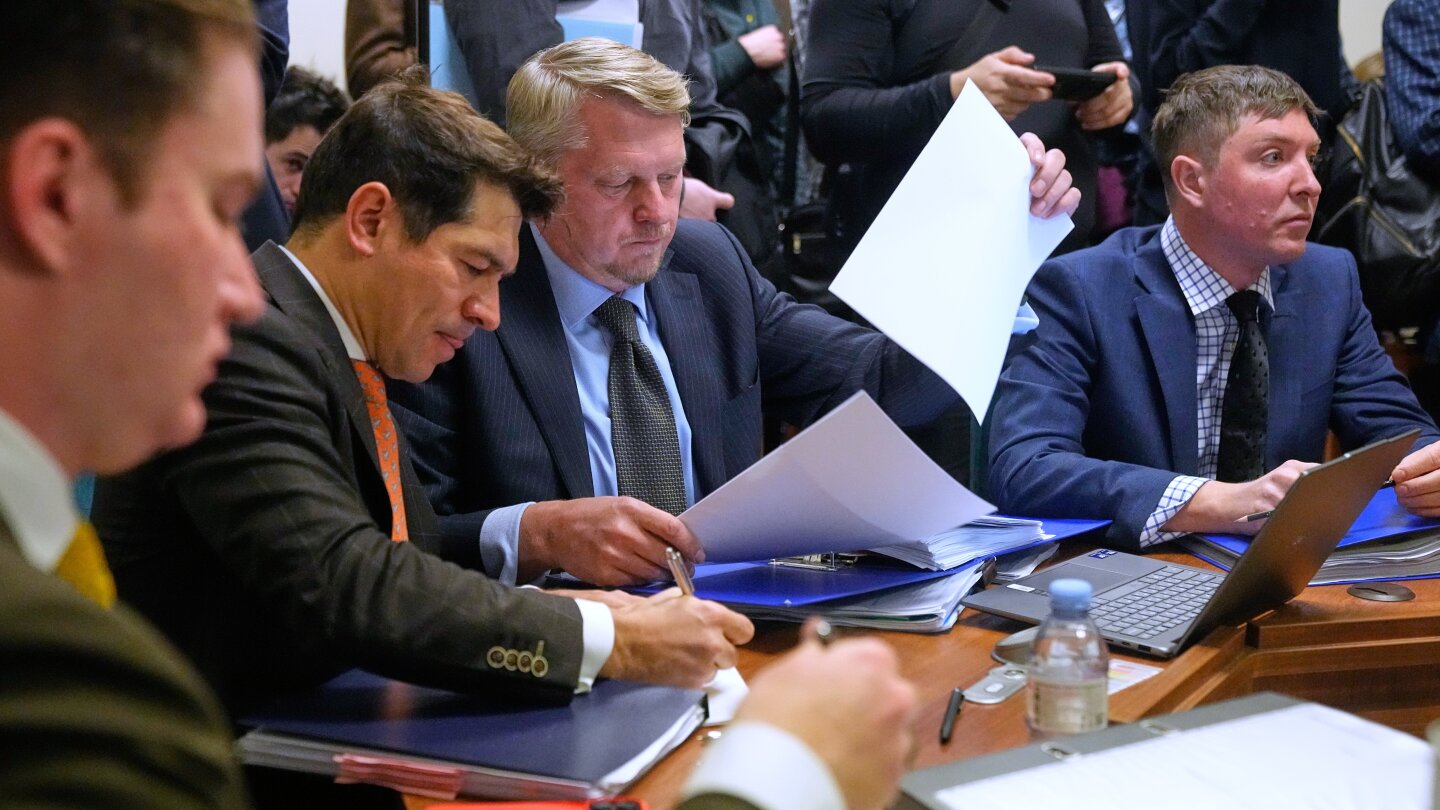
    MOSCOW – In a significant escalation of financial tensions, Moscow’s Arbitration Court commenced proceedings on Friday in a landmark lawsuit filed by Russia’s Central Bank against Brussels-based clearinghouse Euroclear. The legal action demands compensation totaling 18.2 trillion rubles ($232 billion) for damages allegedly incurred when Russia lost control over its frozen funds and securities held by the financial institution.

    The litigation unfolds against the backdrop of sweeping EU sanctions that immobilized approximately 210 billion euros ($244 billion) in Russian state assets following Moscow’s military intervention in Ukraine in February 2022. Euroclear, a key financial intermediary, holds the substantial majority of these frozen assets—approximately 193 billion euros.

    Notably, the Russian legal challenge proceeds despite recent developments in EU policy. Last month, the European bloc abandoned its initial proposal to directly utilize frozen Russian assets for Ukrainian assistance after failing to secure Belgian assurances regarding protection from Russian countermeasures. Instead, the EU opted for an alternative financing mechanism: borrowing 90 billion euros on capital markets to provide Ukraine with an interest-free loan addressing its military and economic requirements for the coming two years.

    The Russian Central Bank has consistently condemned any potential use of its immobilized assets as fundamentally “illegal and contrary to international law,” maintaining that such actions violate established principles of sovereign immunity protecting state assets from foreign seizure or manipulation. The court proceedings are being conducted behind closed doors, reflecting the sensitive nature of this unprecedented financial dispute.

  • Michigan Trump supporters on his biggest successes and failures

    Michigan Trump supporters on his biggest successes and failures

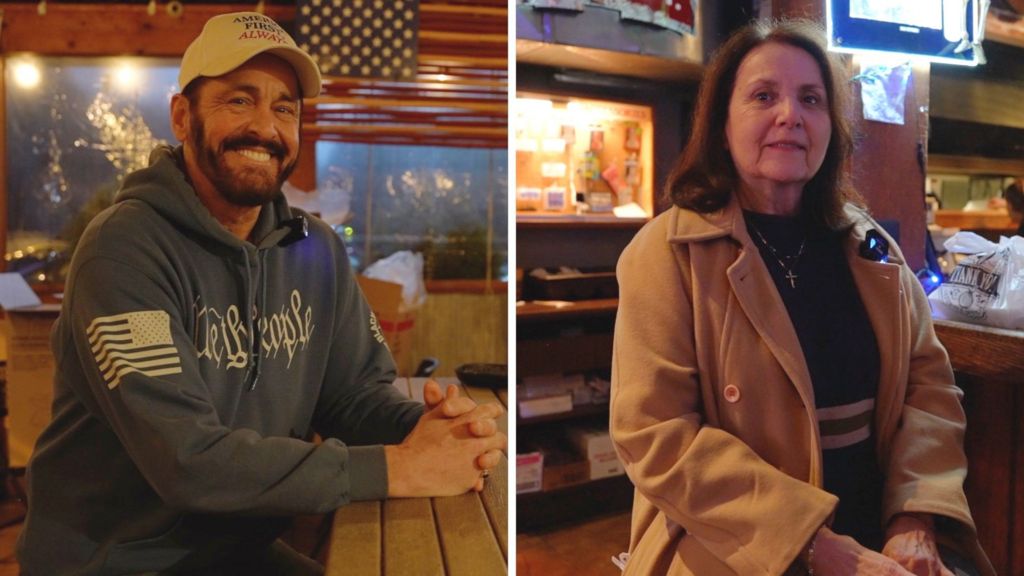
    In the politically pivotal state of Michigan, a detailed examination of Donald Trump’s presidential tenure reveals complex perspectives among his steadfast supporters. Interviews conducted across Macomb County—a historically significant suburban region north of Detroit renowned for its electoral influence—provide nuanced insights into the perceived accomplishments and disappointments of the Trump administration.

    Voters who maintained their allegiance to the 45th president highlighted several key policy achievements. The rapid development and distribution of COVID-19 vaccines through Operation Warp Speed received particular praise, alongside substantial tax reforms and the renegotiation of international trade agreements. Many supporters cited the reconfiguration of the North American Free Trade Agreement into the US-Mexico-Canada Agreement as a significant economic victory for Michigan’s automotive and manufacturing sectors.

    However, these interviews also revealed substantive criticisms from within Trump’s base. Several supporters expressed disappointment with the administration’s inability to comprehensively address healthcare reform, particularly the promised repeal and replacement of the Affordable Care Act. The handling of the COVID-19 pandemic’s early stages and the subsequent economic repercussions drew mixed reviews, with some supporters believing alternative approaches might have yielded better outcomes.

    The political polarization that characterized Trump’s presidency emerged as both a praised attribute and a point of contention. While supporters appreciated his confrontational approach toward established political institutions, some acknowledged that this strategy potentially limited legislative achievements and broader consensus building.

    These reflections from Michigan voters carry significant implications for future electoral strategies. As a bellwether state that narrowly tipped the 2016 election and swung Democratic in 2020, understanding the complex perspectives of Trump’s base provides crucial insights into the evolving political landscape of America’s industrial heartland.

  • More than 100 dead in torrential rain and floods across southern Africa

    More than 100 dead in torrential rain and floods across southern Africa

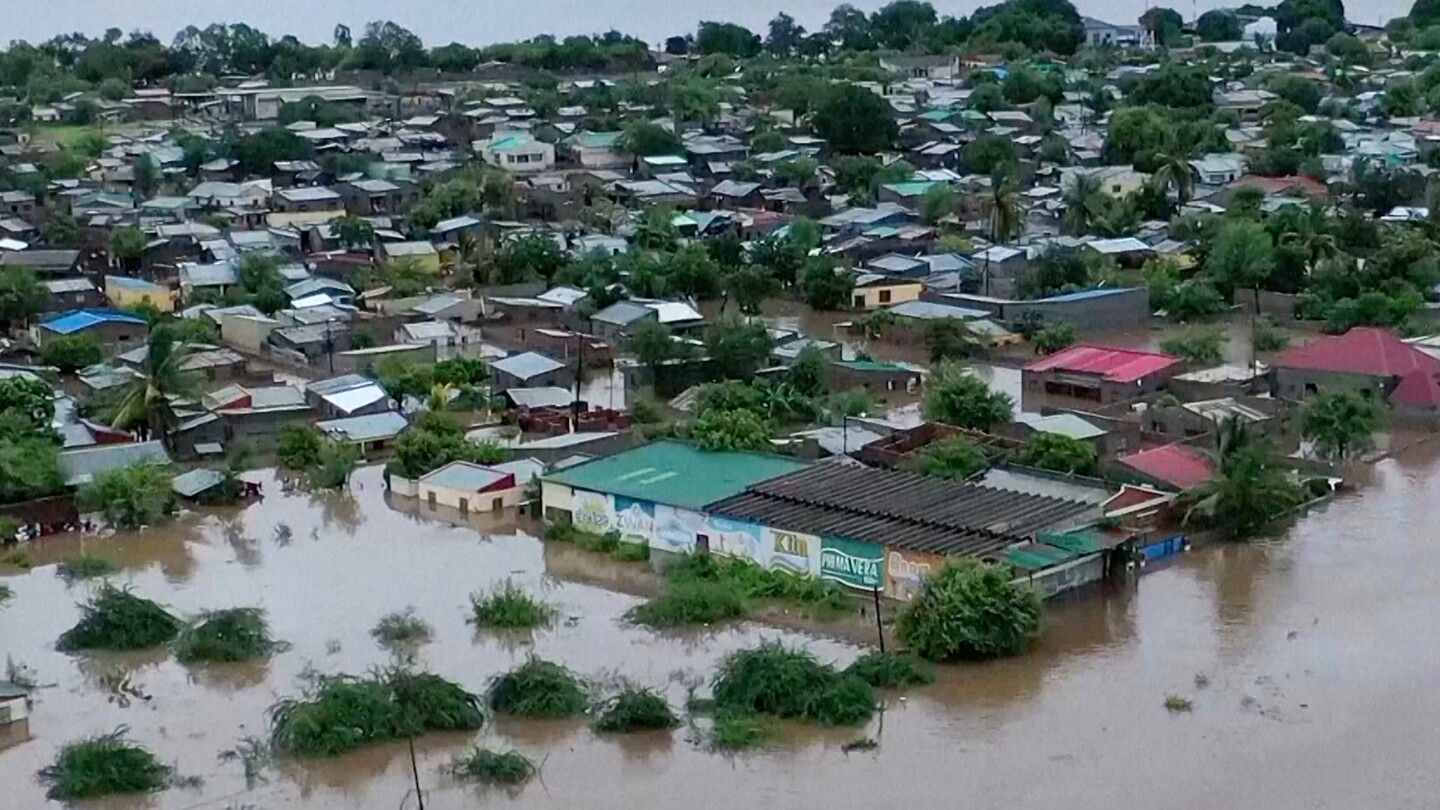
    Southern Africa is confronting a severe humanitarian crisis as relentless torrential rains have triggered catastrophic flooding across multiple nations, resulting in a confirmed death toll exceeding 100 individuals. The disaster has inflicted widespread devastation in South Africa, Mozambique, and Zimbabwe, with authorities issuing urgent warnings of impending severe weather conditions.

    In South Africa, the calamity has claimed at least 19 lives, primarily in the northern Limpopo and Mpumalanga provinces. President Cyril Ramaphosa, during a visit to the stricken Limpopo region, described scenes of utter destruction, noting one district where 36 houses were completely erased from the landscape. The South African Weather Service has escalated alerts to a red-level 10 warning, anticipating further life-threatening downpours and potential infrastructure collapse.

    The renowned Kruger National Park, spanning approximately 22,000 square kilometers, has been severely compromised. Park authorities have executed helicopter evacuations, rescuing approximately 600 tourists and staff members from flooded camps to higher ground. While the park reported no casualties, extensive damage to roads, bridges, and facilities has forced its complete closure to visitors.

    Neighboring Mozambique faces the most severe impact, with its Disaster Management Institute reporting 103 fatalities from various rain-related incidents including electrocution, drowning, structural collapses, and a cholera outbreak. The World Food Program estimates over 200,000 people have been affected in central and southern regions, with tens of thousands of homes damaged and widespread evacuations underway.

    Zimbabwe’s disaster agency confirmed 70 deaths and the destruction of more than 1,000 homes, alongside critical damage to educational institutions and transportation networks. The crisis has extended to Madagascar, Malawi, and Zambia, where additional fatalities have been reported.

    Meteorologists attribute the extreme weather pattern to the La Niña phenomenon, which historically delivers intensified rainfall to southeastern Africa. The U.S. Famine Early Warning System has noted flooding occurrences or expectations across at least seven nations in the region.

    The compounding disasters have exacerbated existing vulnerabilities. The World Food Program highlighted that over 70,000 hectares of crops in Mozambique have been waterlogged, severely impacting rice and corn production and deepening food insecurity for thousands of subsistence farmers. This event continues a troubling pattern of extreme weather in southern Africa, including recent cyclones and droughts that have strained the region’s resilience and food security.

  • Trump accepts Nobel medal from Venezuelan opposition leader Machado

    Trump accepts Nobel medal from Venezuelan opposition leader Machado

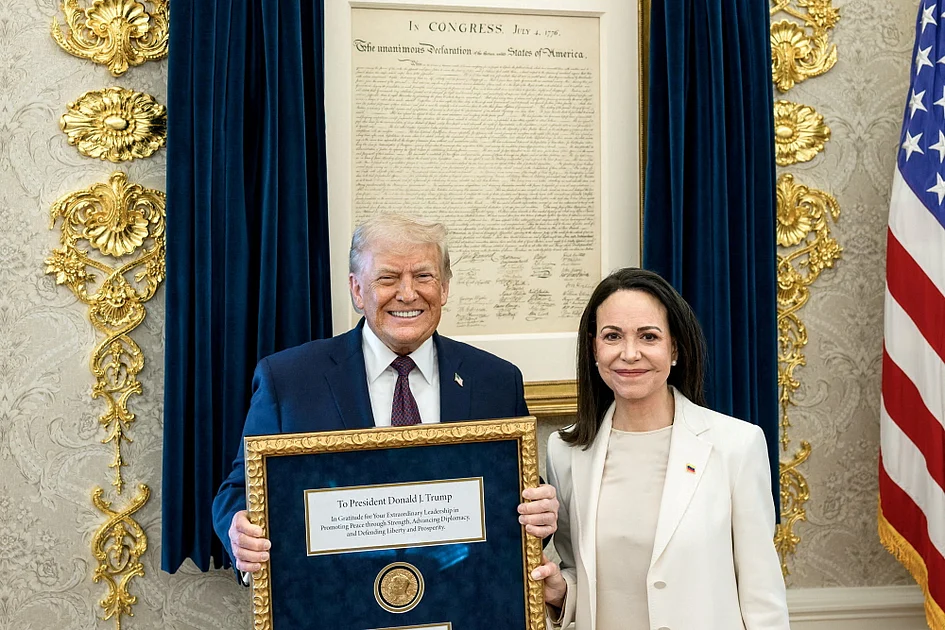
    In a remarkable political gesture at the White House on Thursday, Venezuelan opposition leader Maria Corina Machado presented her Nobel Peace Prize medal to U.S. President Donald Trump during their first face-to-face meeting. The symbolic exchange occurred as Machado seeks to influence Washington’s approach to Venezuela’s political future following the capture of former leader Nicolas Maduro.

    Trump enthusiastically accepted the gold medal, despite the Norwegian Nobel Institute’s clear stipulation that Nobel prizes cannot be transferred, shared, or revoked. The president subsequently celebrated the gesture on social media, describing it as ‘a wonderful gesture of mutual respect’ acknowledging his work toward Venezuelan freedom.

    The meeting, which lasted approximately one hour, represented Machado’s diplomatic effort to position herself within Venezuela’s political landscape after Trump previously dismissed the possibility of installing her as the country’s leader. Machado, who escaped Venezuela by sea in December, characterized their discussion as ‘excellent’ and framed the medal presentation as recognition of Trump’s commitment to Venezuelan liberation.

    While the White House confirmed Trump’s intention to retain the physical medal, the honor remains exclusively Machado’s achievement. The event highlighted Trump’s longstanding interest in the Nobel Peace Prize, having openly campaigned for the recognition before Machado received it last month.

    Following the White House visit, Machado engaged with bipartisan U.S. senators on Capitol Hill, where she reportedly found more enthusiastic support than from the administration. Democratic Senator Chris Murphy of Connecticut expressed skepticism about Venezuela’s democratic transition despite meeting with Machado, noting that repression continues unchanged under interim President Delcy Rodriguez.

    The diplomatic developments occur against the backdrop of competing influences on U.S. policy, with both Venezuelan government representatives and opposition figures vying for Washington’s support. Trump has repeatedly praised Rodriguez, Maduro’s former deputy who assumed leadership after his capture, describing her as ‘very good to deal with’ and emphasizing American interests in Venezuelan oil access and economic reconstruction.

    Rodriguez, in her annual legislative address, called for diplomatic engagement with the U.S. and proposed oil industry reforms to attract foreign investment, signaling potential avenues for cooperation despite ongoing political tensions.

  • Ukraine’s battered power grid faces unprecedented challenge, energy minister says

    Ukraine’s battered power grid faces unprecedented challenge, energy minister says

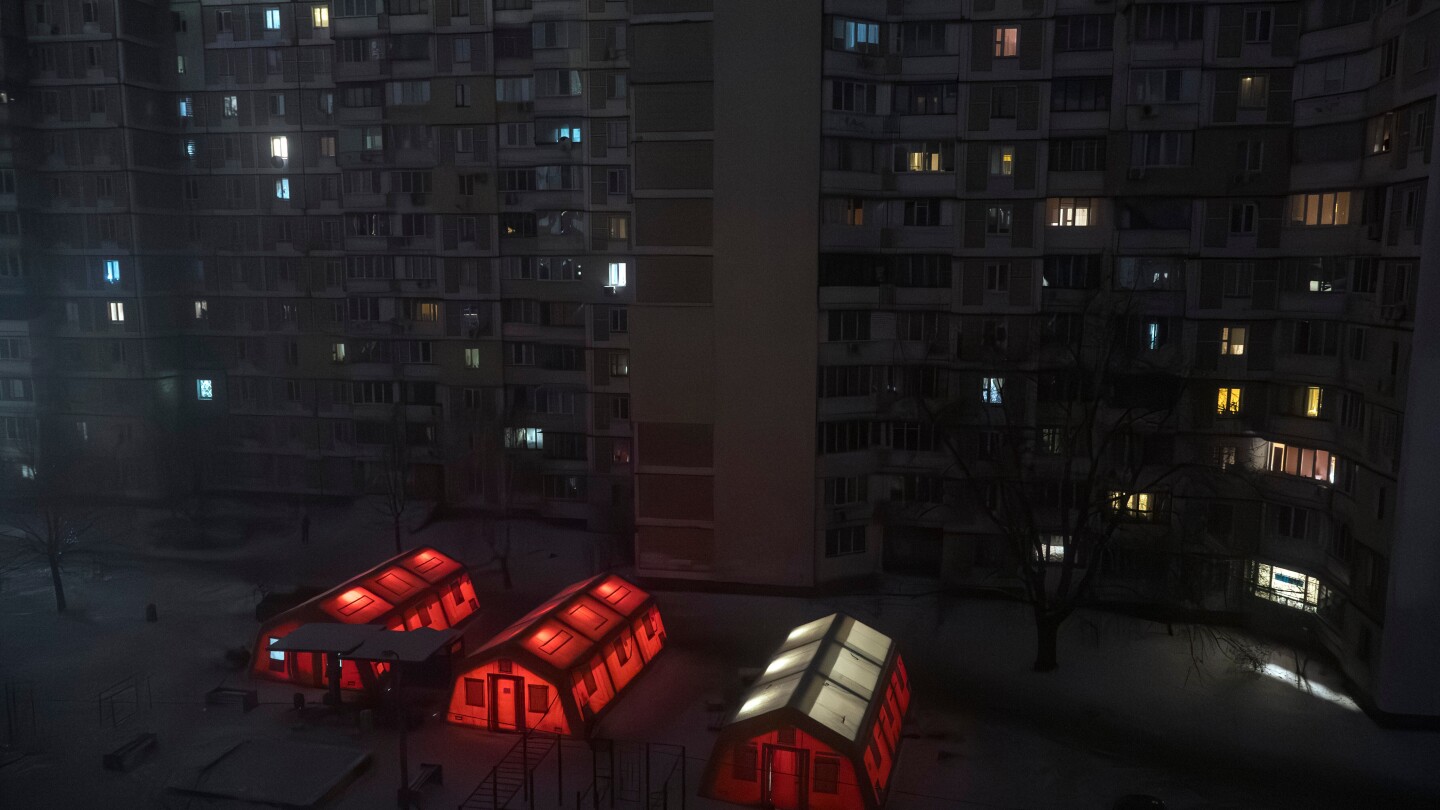
    KYIV, Ukraine — Ukraine’s energy infrastructure has sustained devastating damage from systematic Russian attacks, with not a single power plant remaining unscathed since the full-scale invasion began, Energy Minister Denys Shmyhal revealed Friday. The intensification of aerial bombardments during extreme winter conditions has plunged hundreds of thousands into darkness and cold amid temperatures dropping to -18°C (-0.4°F).

    Addressing Parliament, Shmyhal characterized the situation as historically unprecedented, detailing that Russian forces executed 612 targeted strikes against energy facilities throughout the past year. This strategic targeting of critical infrastructure represents what Ukrainian officials describe as Moscow’s deliberate ‘weaponization of winter’ to break national resistance.

    President Volodymyr Zelenskyy concurrently highlighted the critical challenges in securing air defense missiles, disclosing that some systems had been completely depleted until a fresh shipment arrived Friday morning. The acquisition process remains fraught with diplomatic complexities due to allied nations’ stockpile limitations and legal restrictions.

    ‘Amid warfare, what significance do these regulations hold when we desperately require these missiles?’ Zelenskyy questioned during a Kyiv news conference with Czech President Petr Pavel.

    The humanitarian impact has reached crisis proportions. Jaime Wah of the International Federation of Red Cross and Red Crescent Societies described this as ‘the hardest winter since the conflict’s escalation,’ with millions enduring extreme cold without heating or electricity atop years of violence and economic hardship.

    Emergency measures now include relaxed curfews to facilitate access to public heating centers, while businesses face requests to extinguish decorative lighting to conserve scarce power. ‘Prioritize providing energy to the people—this constitutes today’s utmost importance,’ Shmyhal urged.

    Diplomatic movements coincide with the crisis, as a Ukrainian delegation travels to Washington to finalize security guarantees and economic recovery documents. Potential signing could occur at the upcoming World Economic Forum in Davos, where U.S. President Donald Trump is scheduled to appear.

    International support continues with Britain announcing an additional £20 million ($27 million) for energy infrastructure repairs during Deputy Prime Minister David Lammy’s Kyiv visit marking the UK-Ukraine ‘100-year partnership’ anniversary.

    Despite Russia’s military superiority, the conflict remains stalemated along the 1,000-kilometer front line, with Moscow controlling under 20% of Ukrainian territory since 2014.