博客

  • Iranian official says at least 5,000 killed in protests

    Iranian official says at least 5,000 killed in protests

    In a rare official disclosure, an anonymous Iranian authority confirmed on Sunday that at least 5,000 individuals perished during recent anti-government demonstrations that swept across the nation. The protests, initially triggered in late December by widespread discontent with Iran’s deteriorating economic conditions, rapidly evolved into nationwide mobilizations demanding governmental overthrow.

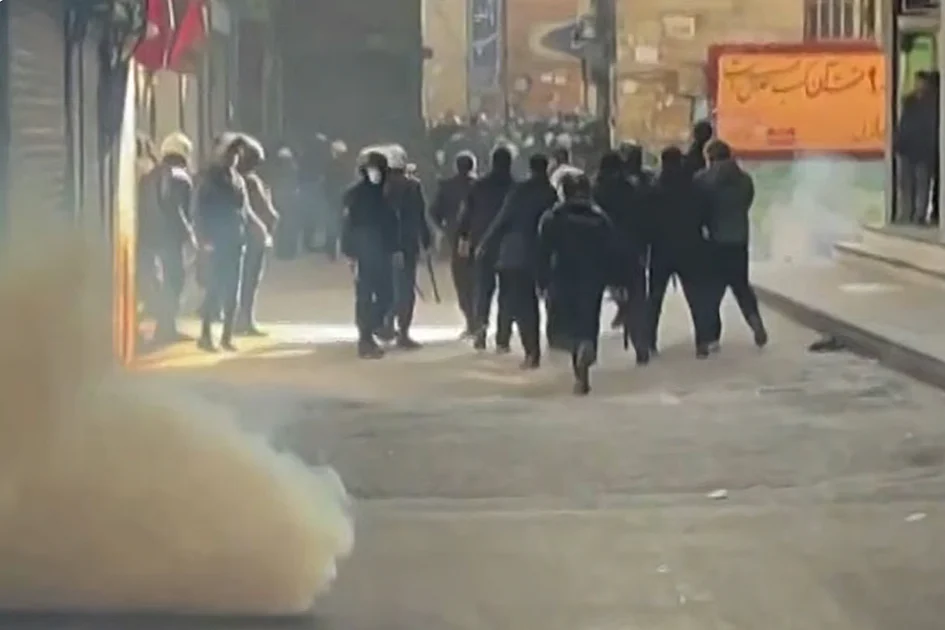
    The administration responded with severe suppression tactics, including a comprehensive internet blackout initiated on January 8th that isolated the country from global communications. Multiple sources documented security personnel employing live ammunition against demonstrators, with the northwestern Kurdish regions experiencing particularly intense violence due to historical tensions between separatists and governmental forces.

    The official attributed the substantial death count to “terrorists and armed rioters” allegedly supported by “Israel and armed groups abroad,” claiming these elements killed “innocent Iranians.” This statement represents the first governmental effort to quantify the human cost of the unrest, though independent organizations present conflicting statistics. US-based HRANA documented 3,090 verified fatalities, while Oslo-based Iran Human Rights NGO reported evidence of execution-style killings against wounded protesters.

    Supreme Leader Ayatollah Ali Khamenei publicly acknowledged the crisis on Saturday, referencing “several thousand” casualties while assigning full responsibility to the United States. Khamenei specifically denounced President Donald Trump as “criminal” for allegedly instigating the violence, destruction, and social turmoil. Despite Trump’s threats of “very strong action” should Iran execute detained protesters, Iranian officials subsequently denied any plans for such measures.

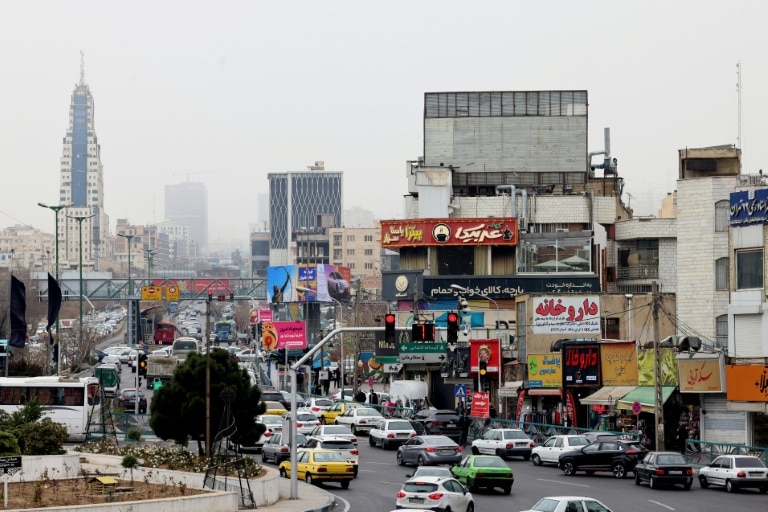
    Recent developments indicate a potential de-escalation, with Tehran residents reporting diminished protest activity and partial restoration of internet and SMS services, though connectivity remains approximately 2% of normal levels according to monitoring group NetBlocks.

  • Senegal wins Africa Cup of Nations after chaotic final against host Morocco

    Senegal wins Africa Cup of Nations after chaotic final against host Morocco

    RABAT, Morocco — Senegal secured its second Africa Cup of Nations title in a tumultuous final against host nation Morocco on Sunday, prevailing 1-0 after extra time in a match marred by controversy, fan unrest, and a 14-minute stoppage. Pape Gueye emerged as the hero, scoring the decisive goal in the 94th minute with a left-footed strike into the top right corner.

    The match descended into chaos during second-half stoppage time when Senegal’s players staged a walk-off protest after a controversial penalty was awarded to Morocco. The decision came moments after Senegal had a potential winning goal disallowed for a disputed foul. Television replays showed minimal contact between Senegalese defender Abdoulaye Seck and Moroccan Achraf Hakimi, who fell before Moussa Niakhaté headed the rebound into the net.

    As tensions escalated, organized Senegalese fans attempted to storm the field from behind one goal, with at least one chair thrown onto the pitch. Additional altercations broke out in the press box, possibly involving fans posing as journalists. Moroccan substitutes clashed with opposing players, requiring intervention from coaching staff including Morocco manager Walid Regragui.

    When play resumed after the extended delay, Moroccan star Brahim Díaz squandered the opportunity to end Morocco’s 50-year trophy drought with a poorly executed Panenka penalty that landed directly into goalkeeper Édouard Mendy’s arms. Díaz, the tournament’s top scorer with five goals, was subsequently whistled by Moroccan fans during the medal ceremony.

    The victory marks Senegal’s first goal from open play in a final across their four appearances. Their previous title in 2021 came via penalty shootout against Egypt.

    For World Cup 2030 host Morocco, the defeat represents a significant setback despite substantial investments in soccer infrastructure. The kingdom’s aggressive sports development has faced criticism from citizens who feel other public services are being neglected.

    Prior to the final, the Senegalese Football Federation had raised concerns about inadequate security, substandard accommodations, and limited ticket access for their supporters, alleging a lack of ‘fair play’ from tournament organizers.

  • Limited internet returns in Iran after protest blackout

    Limited internet returns in Iran after protest blackout

    Iran has initiated a gradual restoration of internet connectivity following a ten-day nationwide blackout that coincided with widespread anti-government demonstrations. The digital shutdown, which began on January 8th as protests intensified, had drawn international condemnation as rights organizations accused authorities of attempting to conceal a violent crackdown that reportedly resulted in thousands of casualties.

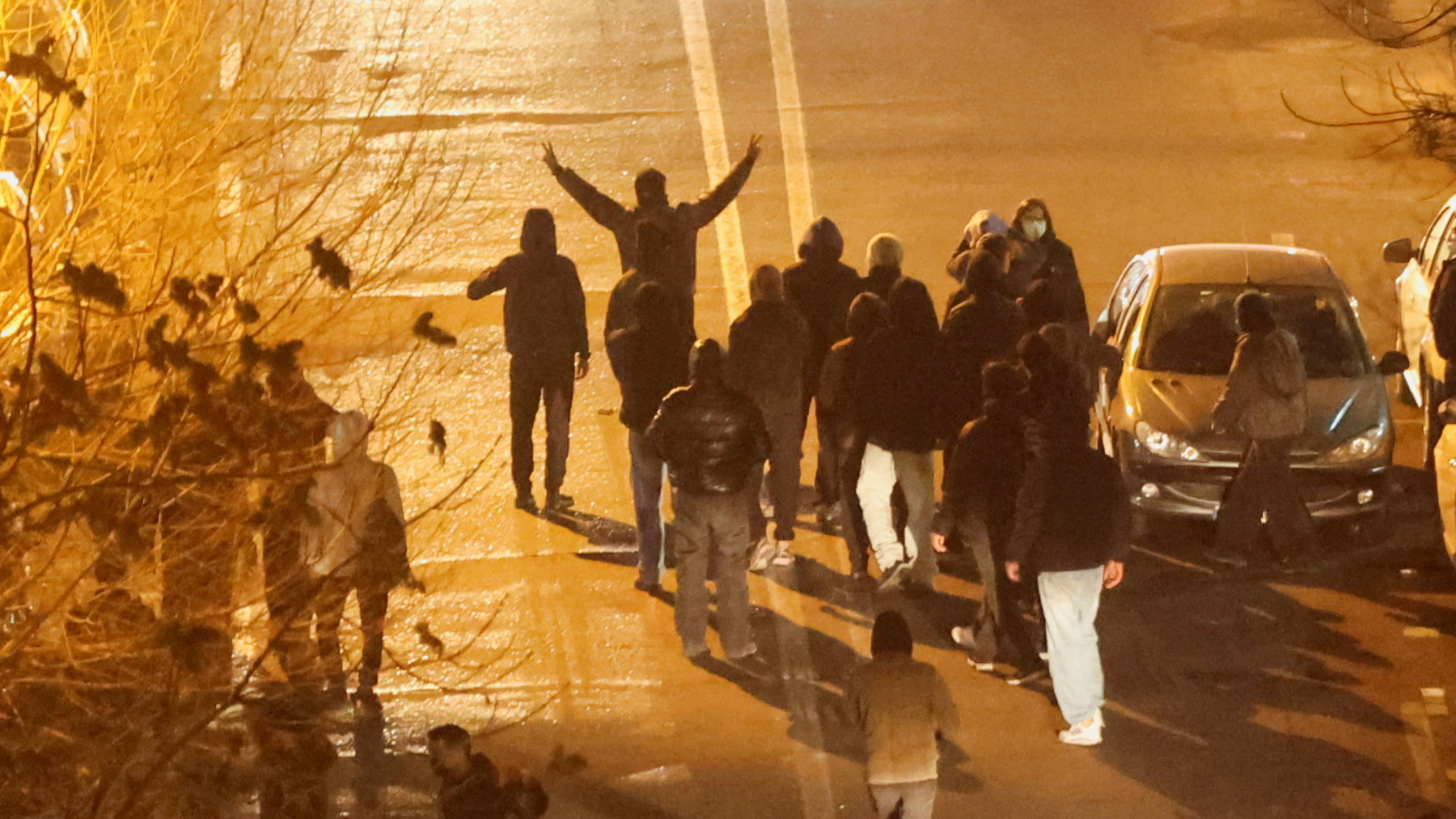
    The protests, initially sparked by economic grievances in late December, evolved into the most significant challenge to Iran’s leadership in years. While Iranian officials maintain that calm has been restored to the streets of Tehran, security forces remain visibly deployed with armored vehicles and motorcycles throughout the capital.

    International tensions have escalated dramatically following remarks by U.S. President Donald Trump, who characterized Supreme Leader Ayatollah Ali Khamenei as “a sick man” who should “run his country properly and stop killing people.” Trump explicitly called for new leadership in Iran during an interview with Politico on Saturday.

    Iranian President Masoud Pezeshkian responded forcefully via social media platform X, declaring that “an attack on the great leader of our country is tantamount to a full-scale war with the Iranian nation.”

    According to internet monitoring group Netblocks, limited access to services including Google has been restored, though overall connectivity remains significantly disrupted. The Tasnim news agency confirmed that internet restoration would proceed gradually as schools reopened after a week of closures.

    The human cost of the crackdown remains hotly contested. Norway-based Iran Human Rights has documented 3,428 protester deaths through verified sources within Iran’s health system, witnesses, and independent verification, though the organization acknowledges the actual toll is likely substantially higher. Opposition media outlets have reported figures as high as 12,000 casualties, which Iranian judiciary officials have vehemently denied.

    Supreme Leader Khamenei acknowledged “a few thousand” deaths but attributed them to what he called “agents” of the United States and Israel. Judicial authorities have promised swift trials for detained protesters, with some potentially facing capital charges of “waging war against God.”

    Solidarity demonstrations continue in multiple international cities including Berlin, London, and Paris, as the global community expresses growing concern over the situation and the potential for widespread executions of detained protesters.

  • Syria’s leader agrees truce deal with Kurds after govt troops advance

    Syria’s leader agrees truce deal with Kurds after govt troops advance

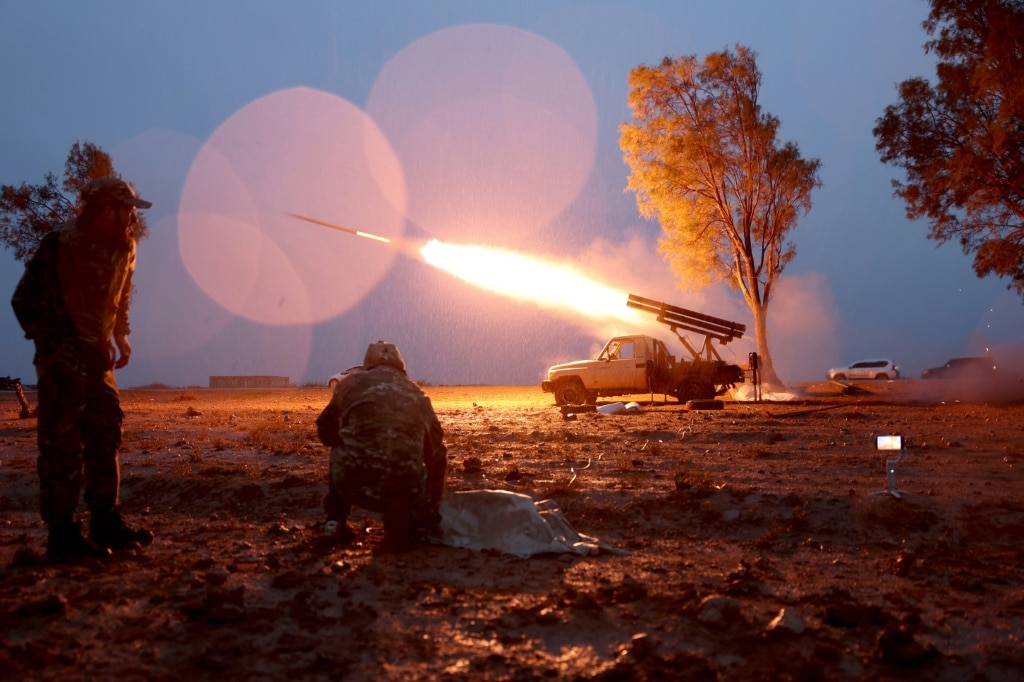
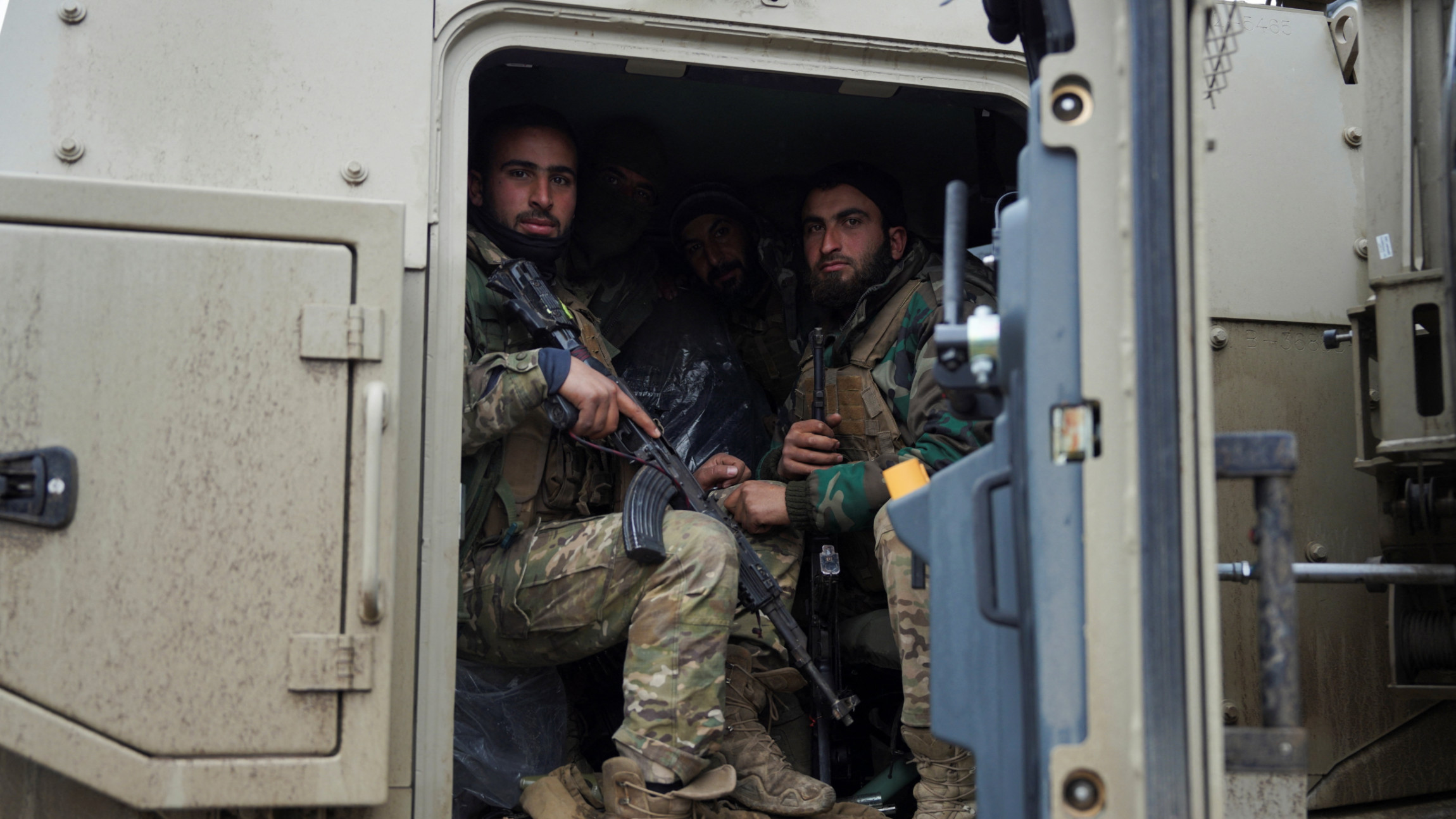
    In a significant geopolitical shift, Syrian President Ahmed al-Sharaa announced a comprehensive ceasefire and integration agreement with Kurdish-led forces on Sunday. This development follows rapid territorial advances by government troops across northern and eastern Syria, including the strategic capture of Tabqa city and the vital Euphrates Dam.

    The 14-point agreement, published by the Syrian presidency, mandates the full integration of the Kurdish administration and security forces into state structures. Key provisions include transferring control of Deir Ezzor and Raqa provinces to Damascus and incorporating the Syrian Democratic Forces (SDF) into Syria’s defense and interior ministries. The central government will also assume responsibility for Islamic State prisoners currently held in Kurdish-run detention facilities.

    Military movements precipitated the diplomatic breakthrough. The SDF unexpectedly withdrew from positions in Deir Ezzor’s eastern countryside, including the valuable Al-Omar and Tanak oil fields—Syria’s largest petroleum assets. Simultaneously, government forces advanced into Arab-majority areas previously under Kurdish control, with coordination reported between Damascus and local tribal fighters formerly aligned with the SDF.

    The agreement represents a consolidation of state authority but diminishes Kurdish aspirations for preserved autonomy. While President Sharaa had granted Kurds official recognition on Friday, Kurdish leaders previously indicated such measures fell short of their expectations.

    International reactions emerged as US envoy Tom Barrack, meeting with Sharaa in Damascus, characterized the pact as a ‘pivotal inflection point.’ The United States Central Command had earlier urged Syrian government forces to cease offensive operations between Aleppo and Tabqa, reflecting Washington’s complex position supporting both Kurdish forces and Syria’s current administration.

    On the ground, residents reported mixed reactions. In Raqa, civilians expressed fear amid ongoing clashes, while hundreds demonstrated in the Kurdish stronghold of Qamishli, chanting defensive slogans. Syrian Energy Minister Mohammad al-Bashir declared that returning the region’s resources to state control would ‘open the door wide for reconstruction’ across energy, agriculture, and trade sectors.

  • Syrian army gains ground as Kurdish forces withdraw from key oil field

    Syrian army gains ground as Kurdish forces withdraw from key oil field

    In a significant shift of territorial control, Kurdish-led Syrian Democratic Forces (SDF) withdrew from Syria’s largest oil field on Sunday amid expanding government military operations across northern and eastern regions. The al-Omar oil field, previously housing the largest US military base in Syria, was evacuated by SDF units at dawn according to the Syrian Observatory for Human Rights monitoring group.

    The government offensive has reclaimed numerous strategic locations including two neighborhoods in Aleppo following recent clashes, along with territories east of the city and the Tabqa area in Raqqa province. This advance marks the government’s most substantial gain in predominantly Arab territories that had been under Kurdish control since the campaign against Islamic State.

    The withdrawal follows the collapse of a negotiated agreement for Kurdish forces to retreat to areas east of the Euphrates River. Both sides reported casualties and exchanged accusations regarding which party violated the arrangement. The Kurdish administration claimed government forces launched attacks across multiple fronts, while the Syrian army asserted that SDF fighters failed to honor their commitment to completely withdraw east of the river.

    In response to the escalating situation, Kurdish authorities implemented a curfew in Raqqa province after the army designated the southwestern Euphrates region as a “closed military zone.

    Concurrently, President Ahmed al-Sharaa issued a decree granting official recognition to Kurdish rights, interpreted as a goodwill gesture amid the government’s push to reassert authority nationwide. However, the Kurdish autonomous administration, which controls substantial territory in northeast Syria, dismissed the announcement as insufficient, noting that implementation of agreements to integrate Kurdish forces into the state structure has remained stalled for months.

  • Iranian official says verified deaths in Iran protests reach at least 5,000

    Iranian official says verified deaths in Iran protests reach at least 5,000

    An unnamed Iranian official has disclosed that government-verified fatalities from recent civil unrest have reached approximately 5,000 casualties, according to a Sunday statement to Reuters. The official indicated that security personnel accounted for roughly 500 of these deaths, while attributing the remaining civilian casualties to what authorities describe as “terrorists and armed rioters.”

    The northwestern Kurdish regions experienced the most severe violence, with the official noting these areas witnessed both the most intense clashes and highest concentration of fatalities. This region has historical significance as a center of Kurdish separatist activity and has consistently been the epicenter of violent confrontations during previous periods of civil unrest.

    While the official suggested the final death toll would not increase substantially, the statement contradicted reports from international monitoring organizations. The US-based HRANA rights group documented 3,308 confirmed fatalities with an additional 4,382 cases undergoing verification, alongside more than 24,000 confirmed arrests.

    The Iranian government maintains its longstanding position that foreign adversaries have instigated the unrest. The official specifically cited Israel and overseas armed groups as providing support and equipment to protesters. This accusation aligns with Tehran’s frequent attribution of domestic opposition to external forces, particularly its regional arch-rival Israel, which conducted military strikes against Iranian targets in June.

    Norwegian-based Hengaw, an Iranian Kurdish rights organization, corroborated reports of particularly violent clashes in northwestern Kurdish areas since protests initially erupted in late December. The disclosure comes amid increasing international diplomatic pressure, with several nations including New Zealand and Slovakia temporarily closing their Iranian diplomatic missions.

  • Indonesia finds one body from surveillance plane wreckage; passenger count revised to 10

    Indonesia finds one body from surveillance plane wreckage; passenger count revised to 10

    Indonesian rescue authorities confirmed on Sunday the discovery of wreckage from a fisheries surveillance aircraft that crashed into a mountainside in South Sulawesi province, recovering one victim’s body from the devastating scene. The ATR 42-500 turboprop, operated by Indonesia Air Transport and chartered by the Marine Affairs and Fisheries Ministry, had vanished from radar contact Saturday afternoon during its surveillance mission.

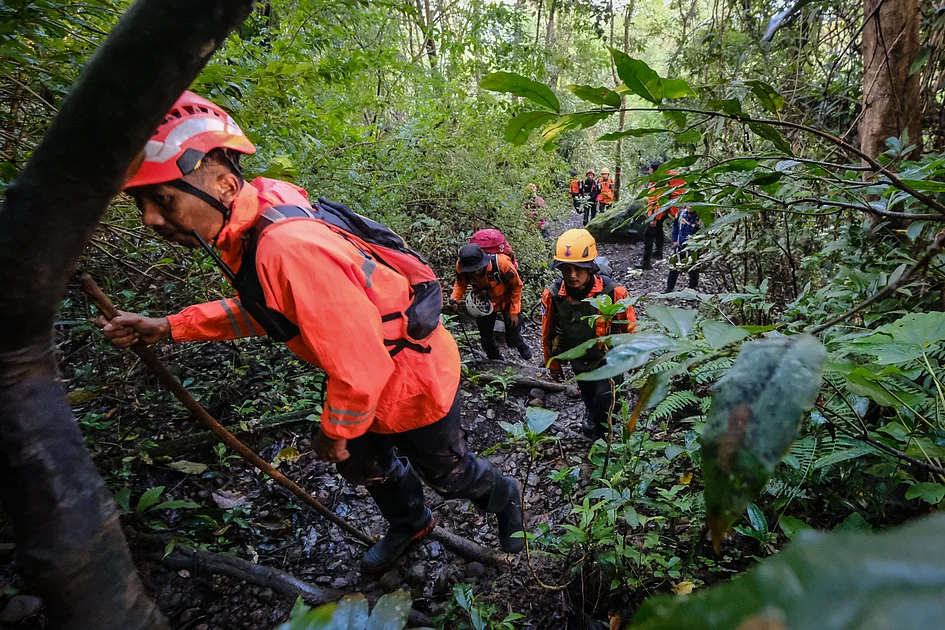
    Search and rescue operations involving approximately 1,200 personnel successfully located the fragmented remains of the aircraft scattered across the rugged terrain of Mount Bulusaraung near the Maros region. Initial helicopter reconnaissance teams spotted critical components including aircraft windows at 7:46 AM local time, followed by identification of the main fuselage and tail section minutes later.

    Officials revised the passenger manifest downward from initial reports, confirming three fisheries ministry staff members and seven crew members aboard the ill-fated flight. The aircraft had been conducting aerial surveillance operations over fisheries before its scheduled arrival in Makassar, South Sulawesi’s capital.

    Rescue efforts faced significant challenges due to persistently thick fog and the mountain’s treacherous topography. The recovered victim was located in a ravine approximately 200 meters from the mountain’s peak, while the condition of the remaining nine individuals remains unknown.

    Soerjanto Tjahjono, head of Indonesia’s National Transportation Safety Committee (KNKT), characterized the incident as ‘controlled flight into terrain,’ indicating the pilot maintained aircraft control until impact. Aviation investigators have not yet determined the precise causal factors behind the crash, though experts note most aviation accidents result from multiple contributing elements.

    The tragedy marks Indonesia’s first fatal ATR 42 accident since 2015, when another turboprop crashed in Papua province claiming 54 lives. Flight tracking data indicated the surveillance aircraft had been operating at low altitude over ocean waters prior to losing signal approximately 20 kilometers northeast of Makassar airport.

  • Wildfires race across Chile, leaving 15 dead and forcing thousands to flee

    Wildfires race across Chile, leaving 15 dead and forcing thousands to flee

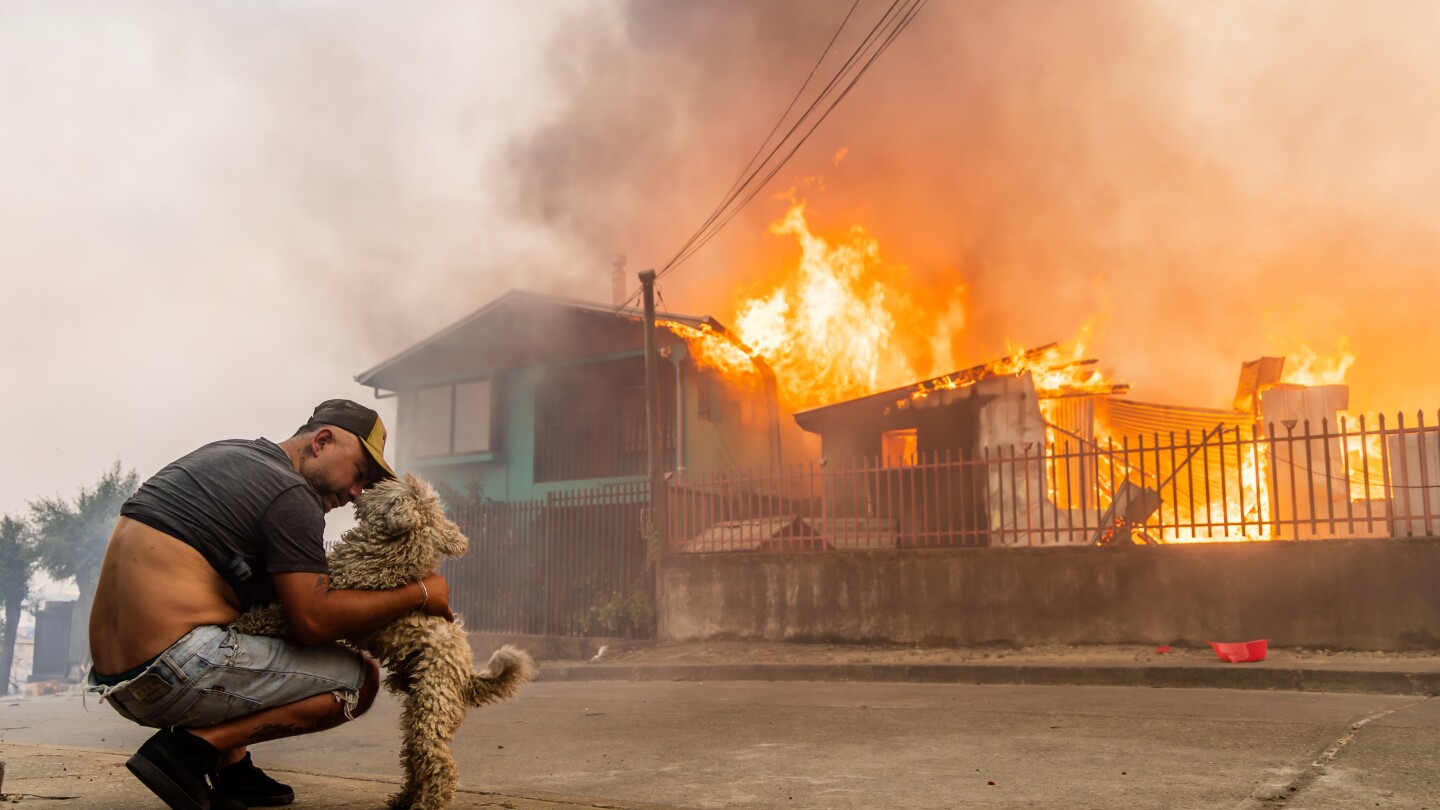
    Central and southern Chile are confronting a devastating wildfire crisis that has resulted in at least 15 fatalities and prompted mass evacuations, compelling President Gabriel Boric to declare a state of catastrophe in multiple regions. The infernos, fueled by an intense heat wave with temperatures exceeding 38°C (100°F) and fanned by strong winds, have ravaged approximately 8,500 hectares (21,000 acres) of forestland and destroyed hundreds of residential structures.

    President Boric’s emergency declaration covers the central Biobio region and neighboring Ñuble region, situated roughly 500 kilometers south of the capital Santiago. This measure enables enhanced military coordination to combat two dozen active blazes that have forced 50,000 residents to flee their homes. Despite presidential assurances that “all resources are available,” local officials reported significant delays in federal response during critical early hours of the disaster.

    Rodrigo Vera, mayor of the coastal town Penco, expressed desperate frustration: “Dear President Boric, from the bottom of my heart, I have been here for four hours, a community is burning and there is no government presence.” His sentiment echoed across affected communities where firefighters battled relentlessly against rapidly spreading flames.

    Survivors described terrifying midnight escapes as fires encircled residential areas without warning. “We fled running, with the kids, in the dark,” recounted Juan Lagos, 52, from Penco where the fire consumed cars, a school, and a church. The human toll became increasingly evident as charred remains were discovered in fields, homes, and vehicles throughout the impacted zones, with local residents mourning neighbors lost to the flames.

    The municipality of Concepcion alone reported 253 homes destroyed, though national damage assessments remain ongoing as emergency teams work to contain the spreading wildfires under challenging meteorological conditions.

  • Trump wants nations to pay $1bn to join Gaza ‘Board of Peace’: report

    Trump wants nations to pay $1bn to join Gaza ‘Board of Peace’: report

    Former U.S. President Donald Trump is soliciting nations to contribute $1 billion in cash for permanent membership in his proposed ‘Board of Peace,’ according to a draft charter obtained by Bloomberg. The initiative, positioned as an alternative to traditional international institutions, would establish Trump as the inaugural chairman with veto authority over membership decisions.

    The charter outlines a three-year provisional membership for participating states unless they fulfill the substantial financial requirement within the first year, thereby securing permanent status. The document criticizes existing international bodies for frequent failures and emphasizes the need for “a more nimble and effective international peace-building body.”

    Several world leaders have already received invitations to join this Gaza-focused initiative, which aims to oversee reconstruction and temporary governance in the conflict-ridden territory. Egypt, Turkey, Argentina, and Canada confirmed receipt of invitations over the weekend, with responses ranging from cautious consideration to enthusiastic acceptance. Jordan’s foreign ministry announced King Abdullah’s invitation on Sunday, noting they were reviewing documents through legal channels.

    The board’s operational structure includes seven primary members: former UK Prime Minister Tony Blair, U.S. Secretary of State Marco Rubio, special envoy Steve Witkoff, World Bank President Ajay Banga, and Trump’s son-in-law Jared Kushner. Day-to-day operations will be managed by senior advisers Aryeh Lightstone and Josh Gruenbaum, with Bulgarian diplomat Nicholay Mladenov serving as Gaza high representative.

    However, the proposal faces significant international skepticism. Anonymous sources indicate that most potential member nations would find Trump’s personal control over membership fees unacceptable. Several European nations have reportedly received invitations but remain non-committal amid concerns about the board’s structure and financing model.

    Blair’s involvement particularly raises concerns in the Middle East due to his controversial role in the 2003 Iraq invasion. Meanwhile, U.S. officials suggest the substantial membership fees would fund the board’s Gaza reconstruction mandate, though specific financial controls remain undefined in the draft charter.

  • Pakistan: Massive fire kills 6 in Karachi, destroys Gul Plaza

    Pakistan: Massive fire kills 6 in Karachi, destroys Gul Plaza

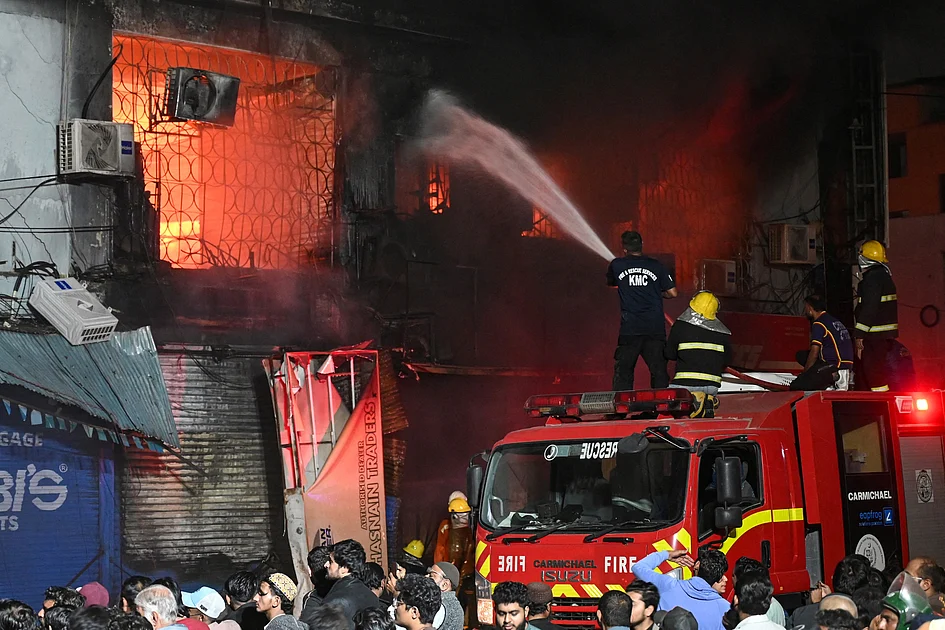
    A catastrophic fire has devastated the historic Gul Plaza shopping mall in Karachi’s central business district, resulting in six confirmed fatalities and multiple injuries. The blaze ignited on Saturday evening at approximately 10:38 PM local time, rapidly consuming the commercial structure despite intensive firefighting efforts throughout the night.

    Emergency response teams from Rescue 1122 encountered extreme conditions upon arrival, with flames already engulfing multiple levels of the building. Spokesperson Hassanul Haseeb Khan reported that the inferno had spread from ground-level shops to upper floors with alarming speed, overwhelming initial containment measures.

    Medical authorities at Karachi’s Civil Hospital confirmed receiving six casualties while treating eleven injured individuals. Police surgeon Dr. Summaiya Syed indicated that mass disaster protocols had been activated in response to the scale of the emergency.

    Visual documentation from the scene revealed extensive structural damage, with numerous shops completely destroyed and sections of the building facing potential collapse. The incident has drawn significant public attention, with hundreds of local residents and business owners gathering at the perimeter as firefighters continued containment operations into Sunday.

    The tragedy highlights ongoing concerns regarding fire safety protocols in densely populated commercial districts throughout Pakistan’s largest metropolitan area. Investigation into the fire’s origin and the structural integrity of remaining portions of Gul Plaza continues as authorities assess the full extent of the damage.