博客

  • India and UAE agree to deepen nuclear cooperation in mega defence pact

    India and UAE agree to deepen nuclear cooperation in mega defence pact

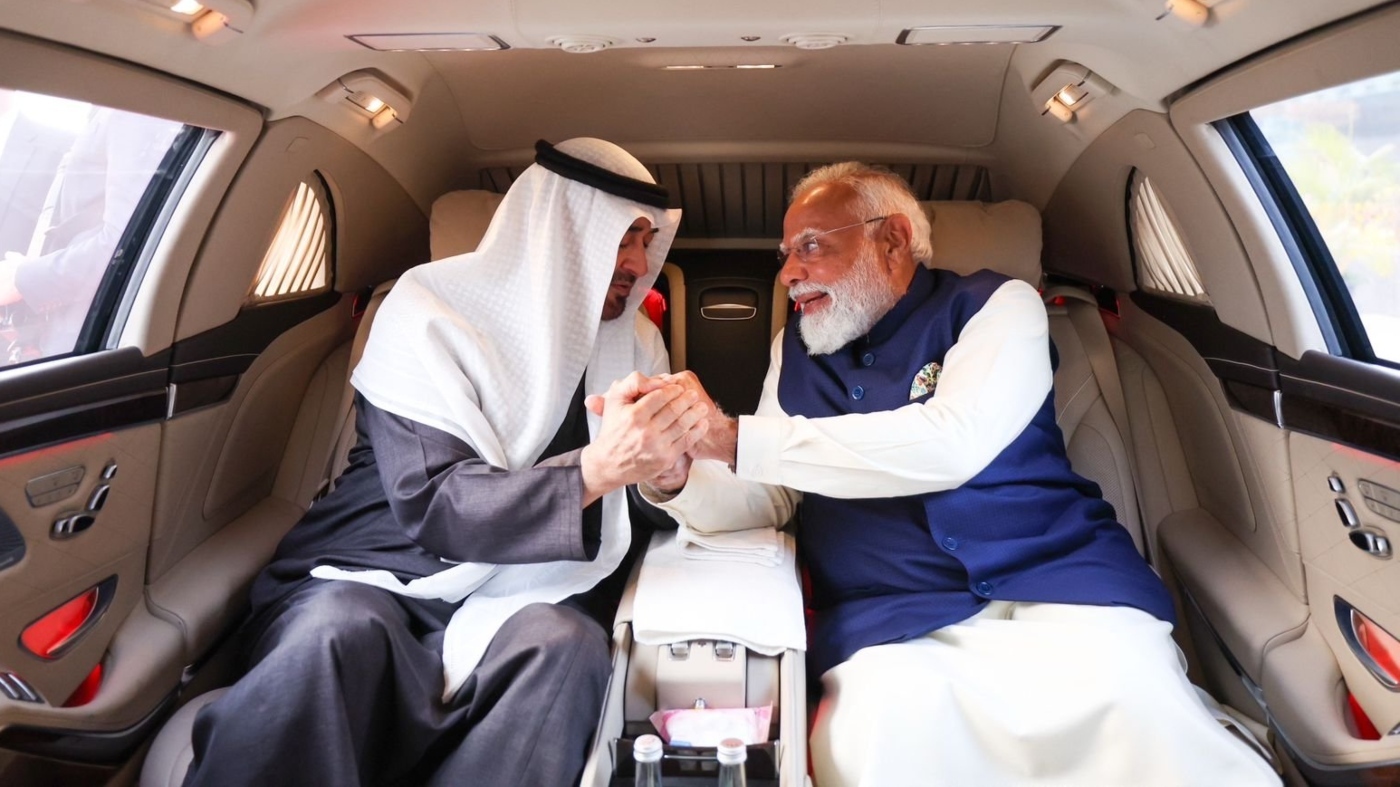
    In a significant diplomatic development, the United Arab Emirates and India have solidified a comprehensive partnership aimed at strengthening defense cooperation and energy security. The landmark agreement, finalized during UAE President Mohamed bin Zayed Al Nahyan’s three-hour visit to New Delhi, includes a substantial $3 billion liquefied natural gas deal that establishes India as Abu Dhabi’s largest LNG customer.

    The bilateral pact extends beyond energy to encompass nuclear cooperation, featuring joint development and deployment of large nuclear reactors alongside enhanced nuclear safety protocols. Both nations have established an ambitious target of doubling their bilateral trade to $200 billion by 2032, signaling a substantial deepening of economic ties.

    The leadership discussions addressed multiple regional security concerns, including the situations in Yemen, Gaza, and recent protests in Iran. These talks occurred against a backdrop of shifting geopolitical alignments in the Middle East, particularly as Turkey seeks to join a defense agreement between Saudi Arabia and nuclear-armed Pakistan—a development that could potentially establish a new military bloc in the region.

    The India-UAE agreement emerges amid growing regional tensions following Pakistan’s expanding defense exports, including a $4 billion arms deal with Libya and potential weapons sales to Sudan. Saudi Arabia and Pakistan are concurrently negotiating the conversion of $2 billion in Saudi loans into a fighter jet procurement agreement, highlighting the complex realignment of Middle Eastern alliances.

    Indian right-wing media has characterized the UAE-India partnership as a strategic counter to Pakistan’s defense outreach, with Network18—owned by billionaire Mukesh Ambani, who maintains close ties to Modi’s government—describing it as ‘India’s counter through strategic depth.’

    The joint statement issued by both nations emphasized regular security chief exchanges and joint military exercises, while explicitly condemning ‘terrorism in all its forms, including cross-border terrorism’—a clear reference to India’s longstanding allegations against Pakistan.

    Indian Foreign Secretary Vikram Misri characterized the defense partnership as a ‘natural evolution’ of existing cooperation rather than a direct response to specific regional events, though the agreement undoubtedly signals India’s growing strategic engagement with Gulf states amid regional realignments.

  • Chelsea legend Gianfranco Zola visits Chongqing fans

    Chelsea legend Gianfranco Zola visits Chongqing fans

    Southwest China’s Chongqing municipality witnessed a spectacular display of football fervor over the weekend as Chelsea Football Club’s global outreach initiative made its stop in the bustling metropolis. The occasion marked the inaugural visit of retired football luminary Gianfranco Zola, whose appearance electrified the local Blues faithful.

    During his immersive experience in Chongqing, the Italian maestro ventured into the city’s vibrant urban core, indulging in authentic local cuisine while absorbing the dynamic atmosphere. “Chongqing presents itself as a magnificent urban landscape radiating tremendous positive energy,” Zola observed. “The density of population and constant vitality genuinely resonate with my personal preferences.”

    The celebrated former athlete expressed particular enthusiasm for China’s evolving grassroots football culture, emphasizing the significance of direct engagement with supporters. “Awareness of Chelsea’s substantial following and football enthusiasts here prompted my genuine delight in these interpersonal exchanges,” he commented. Zola further articulated his aspirations for these interactions, stating: “My fundamental objective remains facilitating productive development opportunities for emerging young athletes within this region.”

    The international fan program represents Chelsea’s strategic commitment to strengthening global connections beyond conventional geographical boundaries, leveraging legendary figures to cultivate meaningful cross-cultural sporting dialogues.

  • Yale professors: Trump’s assault on international law is dangerous

    Yale professors: Trump’s assault on international law is dangerous

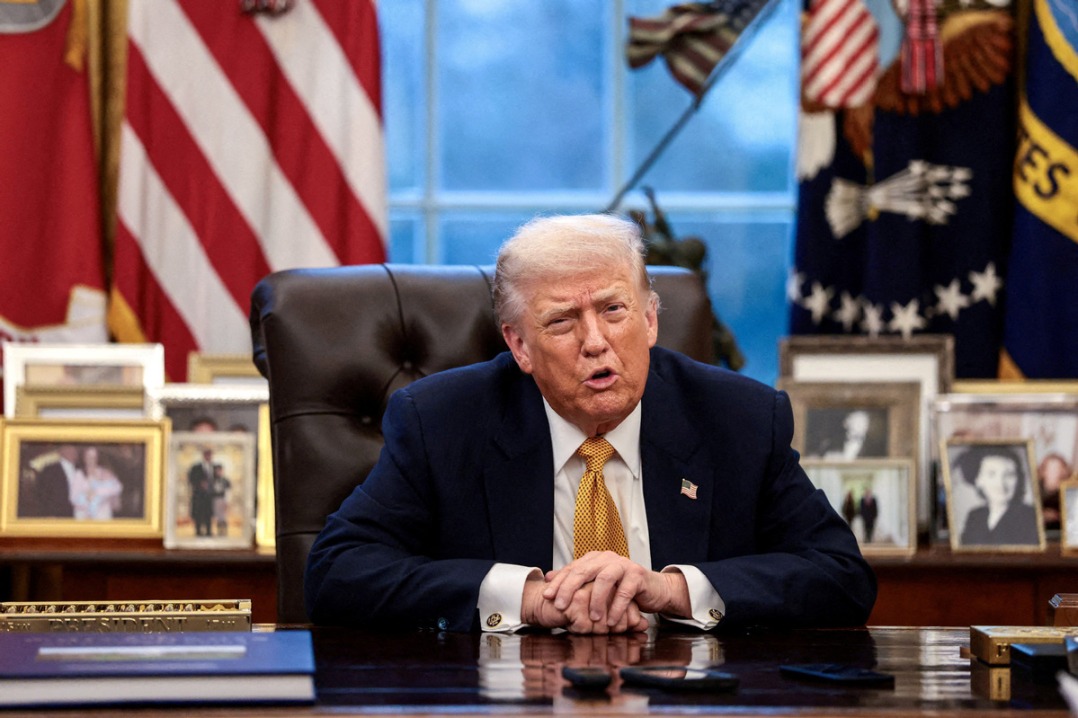
    Two distinguished Yale Law School professors have issued a stark warning about the current US administration’s systematic assault on international legal norms, characterizing it as a dangerous departure from eight decades of established global order. In a comprehensive Foreign Affairs commentary published January 13, Professors Oona A. Hathaway and Scott J. Shapiro presented a compelling analysis of how the administration’s actions transcend mere violations of specific laws and represent a fundamental rejection of the United Nations Charter-based system that has governed international relations since World War II.

    The legal experts articulated that the post-WWII international framework rests on the foundational principle that unilateral force between states is prohibited unless exercised in self-defense or under collective UN Security Council authorization. They documented a pattern of behavior that demonstrates the administration’s wholesale abandonment of this principle, citing specific examples including attempted interventions in Venezuela and Iran, along with controversial statements regarding the Panama Canal, Canadian sovereignty, Greenland’s status, and control over Gaza.

    What particularly alarms the Yale scholars is not simply the legal breaches themselves, but the administration’s overt dismissal of the very concept of legal constraints in international affairs. They emphasized that the absence of any legitimate legal justification for these actions, coupled with the rejection of diplomatic persuasion, represents a form of nihilism that threatens to unravel the entire international rules-based system. The professors concluded that this approach—replacing multilateral cooperation with unilateral coercion—risks returning the world to an era where might alone determines right, fundamentally undermining global stability and security.

  • Winter storm transforms Zhangjiajie’s Tianmen Mountain into frosty wonderland

    Winter storm transforms Zhangjiajie’s Tianmen Mountain into frosty wonderland

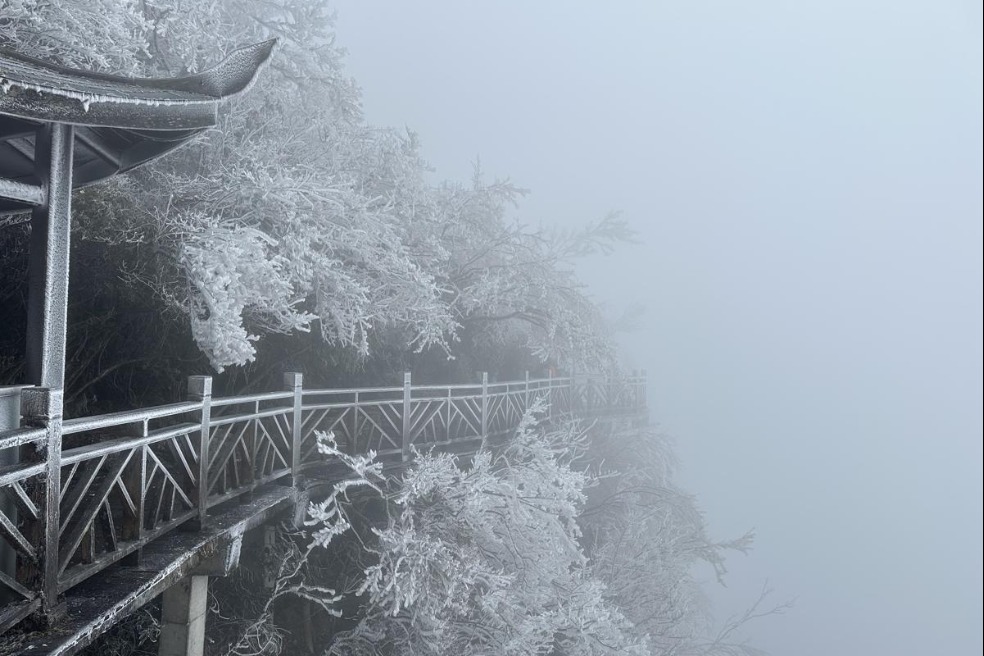
    A dramatic meteorological transformation has unfolded at Zhangjiajie’s iconic Tianmen Mountain, where a powerful Arctic front has converted the renowned landscape into an extraordinary winter spectacle. The sudden temperature plunge across Central China has draped the mountain’s majestic peaks in a crystalline coat of frost and snow, creating breathtaking visual effects that have captivated both visitors and photography enthusiasts.

    According to official meteorological reports from Zhangjiajie authorities, the region is currently experiencing an intense cold spell that began on Monday and is projected to continue through Thursday. The comprehensive weather advisory predicts sustained periods of precipitation, including rain, snow, and freezing conditions across the area. Higher elevations are expected to receive particularly substantial snowfall accumulations ranging from moderate to heavy intensity.

    Despite the challenging weather conditions, the Tianmen Mountain scenic area management has maintained partial accessibility for determined visitors seeking to witness the extraordinary winter phenomenon. However, officials have implemented necessary safety precautions, including the temporary closure of specific trails and facilities that present potential hazards due to icy surfaces and reduced visibility.

    The mountain’s significance extends beyond its seasonal transformations, holding dual recognition as both a UNESCO World Natural Heritage site and a national 5A-level scenic area. This prestigious status acknowledges its unique combination of spectacular geological formations, diverse ecosystems, and rich cultural heritage that remains visible even beneath its temporary winter blanket.

  • New Zealand’s Milne, Bracewell suffer injuries ahead of T20 World Cup

    New Zealand’s Milne, Bracewell suffer injuries ahead of T20 World Cup

    New Zealand’s campaign for the upcoming ICC Twenty20 World Cup has encountered a significant hurdle with two key players sustaining injuries just weeks before the tournament. Pace bowler Adam Milne and all-rounder Michael Bracewell both suffered muscle injuries during separate matches on Sunday, casting doubt on their participation in the global cricket championship scheduled to begin February 7 across India and Sri Lanka.

    Milne, known for his express bowling, damaged his left hamstring while delivering a ball for Sunrisers Eastern Cape during a SA20 league match in South Africa. The injury occurred during his bowling spell and has prompted immediate medical assessment to determine the severity and recovery timeline.

    Simultaneously, Bracewell sustained a left calf strain while fielding during the third One-Day International against India in Indore. New Zealand Cricket officials confirmed both injuries in an official statement, indicating that Bracewell’s condition would be monitored closely before determining his continued involvement in the ongoing tour.

    In response to these developments, the selectors have called up all-rounder Kristian Clarke as backup for the first three T20 Internationals against India, beginning Wednesday. Clarke, who recently impressed during the ODI series against India, will provide additional pace-bowling options for the Black Caps.

    Head coach Rob Walter addressed the challenging situation, noting: ‘We’re managing considerable player movement at this crucial juncture. Some athletes are returning from previous injuries, others are transitioning directly from franchise commitments, and the remainder are coming off the ODI series. This presents an excellent opportunity for Kristian to extend his stay with the squad following his impressive demonstration of talent and composure under pressure during the ODI matches.’

    New Zealand’s World Cup campaign commences in Group D against Afghanistan on February 8 in Chennai, with these injury concerns adding complexity to their final preparations for the prestigious tournament.

  • Jubilant Senegal fans join the Afcon champions parade

    Jubilant Senegal fans join the Afcon champions parade

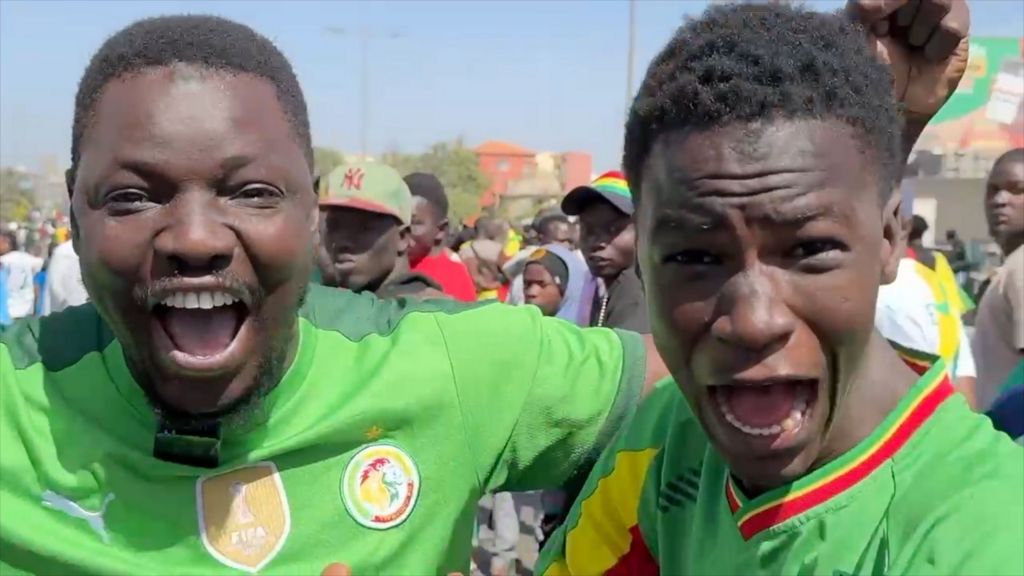
    The streets of Dakar transformed into a sea of vibrant green, red, and gold as an immense wave of euphoric supporters welcomed home Senegal’s national football heroes. Following their decisive victory in the Africa Cup of Nations (AFCON) final, the champions embarked on a triumphant parade through the capital, marking a historic moment for the nation.

    An estimated multitude numbering in the hundreds of thousands materialized along the procession route, creating an atmosphere of collective jubilation. Fans, adorned in national team jerseys and waving Senegalese flags, climbed onto infrastructure and filled every available vantage point to catch a glimpse of their returning idols. The air resonated with rhythmic drumming, passionate chanting, and the unified roar of a proud nation.

    The open-top bus carrying the squad, prominently featuring the gleaming AFCON trophy, moved slowly through the throngs of people. Players, visibly emotional and overwhelmed by the display of national pride, interacted with the crowd, singing along and recording the unforgettable scenes on their phones. This victory parade signifies more than a sporting achievement; it represents a powerful moment of national unity and a culmination of years of dedicated effort in Senegalese football.

    The government declared a national holiday to facilitate the celebrations, acknowledging the team’s role in bolstering national morale. This win, Senegal’s first-ever AFCON title after previous final losses, cements the team’s legacy and inspires a new generation of athletes across the country.

  • Malawi raises fuel prices by more than 40%

    Malawi raises fuel prices by more than 40%

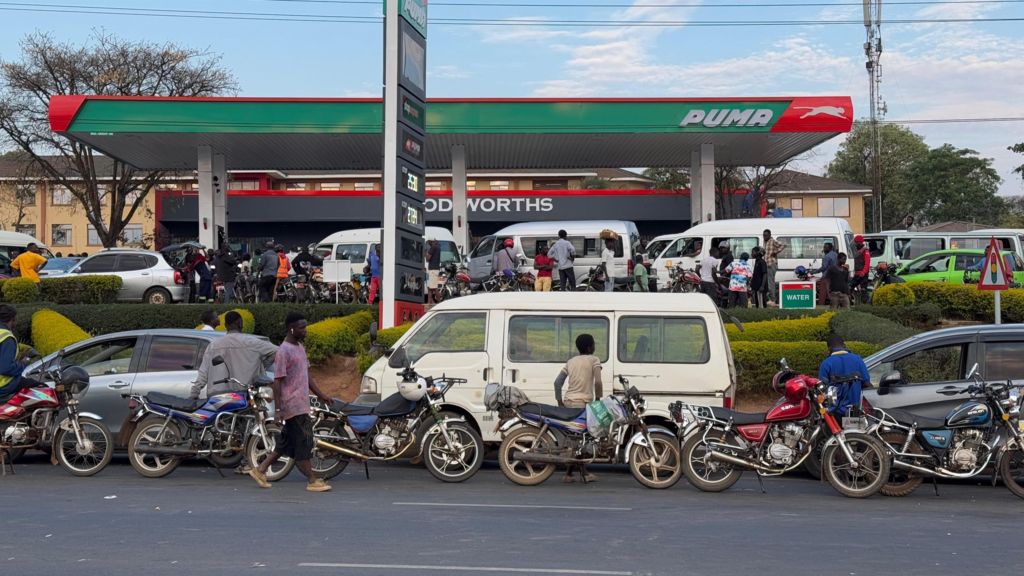
    Malawi’s Energy Regulatory Authority (Mera) has announced substantial increases in fuel prices, elevating petrol and diesel costs by over 40% in its latest adjustment. This development marks the second significant price hike within a four-month period, intensifying economic pressures on citizens already grappling with a cost-of-living crisis.

    The regulatory body justified Tuesday’s decision by declaring the previous administration’s fixed pricing mechanism ‘unsustainable,’ citing substantial financial losses under that system. Since President Peter Mutharika assumed office in October, cumulative fuel price increases have reached alarming levels—95% for petrol and 80% for diesel.

    Mera has transitioned to an automatic pricing mechanism that aligns fuel costs with international market fluctuations and shipping expenses. Dad Chinthambi, Mera’s acting CEO, emphasized that the adjustment is essential for maintaining sustainable fuel supplies, supporting electricity services, and funding critical infrastructure projects including road maintenance and rural electrification initiatives.

    Despite improvements in fuel availability compared to the severe shortages experienced under former President Lazarus Chakwera, the price surge has triggered immediate economic repercussions. Transportation fares have risen sharply nationwide, with anticipated increases in food prices and other essential goods following previous fuel and sales tax adjustments.

    The Human Rights Defenders Coalition, a Malawian civil society organization, warned that ‘fuel is not a luxury commodity’ and that any increase produces cascading effects throughout the economy. Many citizens have expressed disappointment through social media and radio programs, expecting the current administration to improve economic conditions rather than replicate previous outcomes.

    The government continues to pursue financial stabilization measures and is negotiating potential assistance packages with the International Monetary Fund amid growing economic challenges.

  • Wuhan receives first snow of year, images go viral

    Wuhan receives first snow of year, images go viral

    The central Chinese metropolis of Wuhan underwent a dramatic winter transformation as the year’s first substantial snowfall blanketed the city from Monday night through Tuesday. The picturesque scenes of urban landscapes draped in white quickly captivated social media users, with countless images and videos circulating widely across digital platforms.

    Authorities implemented comprehensive safety measures in response to the wintry conditions. Police vehicles maintained vigilant patrols along elevated expressways and major interchanges, assisting motorists navigating the newly slippery road surfaces. Law enforcement personnel extended their duties beyond traffic management, providing direct assistance to pedestrians by clearing walkways and offering aid to those who encountered difficulties on icy surfaces.

    Transportation infrastructure operators activated specialized protocols to maintain service reliability. China Railway Wuhan Group deployed multiple cold-weather countermeasures, including anti-freeze applications and specialized rail heating equipment, to ensure continuous operation amid dropping temperatures.

    The meteorological event coincided with the beginning of Major Cold (Da Han), the traditional Chinese calendar’s final solar term that commenced on Tuesday and continues through February 2nd. This period typically represents winter’s coldest phase according to China’s traditional agricultural calendar, marking the conclusive seasonal transition before the lunar new year cycle begins.

    Despite the operational challenges posed by the sudden winter weather, the phenomenon generated widespread public fascination as residents documented the unusual spectacle of their cityscape transformed by the seasonal snowfall.

  • Iran gives protesters who joined ‘riots’ three days to surrender or face full force of law

    Iran gives protesters who joined ‘riots’ three days to surrender or face full force of law

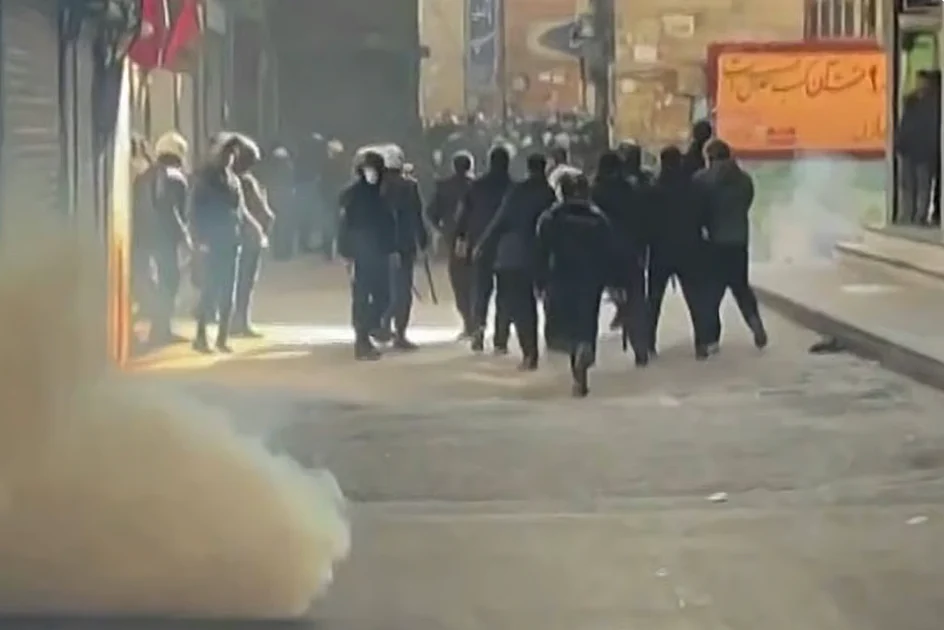
    Iranian authorities have delivered a stark three-day ultimatum to participants of nationwide demonstrations, demanding their surrender or facing severe legal consequences. National police chief Ahmad-Reza Radan characterized young protesters as “deceived individuals” rather than enemy combatants, offering leniency for those who voluntarily submit to authorities.

    The unrest represents the most significant challenge to Iran’s leadership in recent years, though the full extent of casualties remains obscured by an ongoing internet blackout now entering its eleventh day. According to Iran Human Rights NGO, verified fatalities have reached 3,428 protesters killed by security forces, though director Mahmood Amiry-Moghaddam warns the actual death toll could be “higher by many thousands,” potentially constituting one of the largest mass killings of protesters in contemporary history.

    In a coordinated response, Iran’s executive, legislative, and judicial branches issued a joint statement acknowledging the need to address economic hardships that initially sparked demonstrations while simultaneously vowing to “decisively punish” what they describe as instigators of “terrorist incidents.” The government maintains that peaceful protests were hijacked by foreign adversaries, specifically naming the United States and Israel as orchestrators of destabilization efforts.

    Material damage has been substantial, with Mashhad officials reporting over $15 million in public infrastructure destruction alone. Limited internet restoration began briefly on Sunday, with officials promising gradual normalization throughout the week.

    International reaction has emerged with Turkish President Recep Tayyip Erdogan characterizing the situation as a “new test” for Tehran, expressing confidence that Iranian leadership would navigate this “trap-filled period” through dialogue and diplomacy while pledging Turkey’s opposition to regional destabilization.

  • Dubai aims for Guinness World Records with world’s largest virtual sign lesson

    Dubai aims for Guinness World Records with world’s largest virtual sign lesson

    Dubai is poised to make history on January 21st by orchestrating the world’s largest unified virtual sign language lesson, a groundbreaking initiative that simultaneously pursues Guinness World Records recognition while advancing the emirate’s commitment to inclusivity and empowerment for People of Determination.

    The monumental event, scheduled from 10:00 AM to 11:00 AM, will introduce global participants to the fundamentals of Emirati Sign Language through an immersive digital platform. This ambitious undertaking forms a crucial component of the ‘Dubai Communicates in Sign Language’ initiative, originally launched in October by Sheikh Mansoor bin Mohammed bin Rashid Al Maktoum, Chairman of the Higher Committee for the Protection of the Rights of People of Determination.

    Maitha Al Shamsi, Executive Director of the Community Empowerment Sector at Dubai’s Community Development Authority (CDA), emphasized the transformative purpose behind this endeavor. “This represents Dubai’s message to the global community—that we function as one cohesive family, taking pride in every member while celebrating our diversity,” she stated. The event specifically aims to raise awareness and provide substantive support for deaf individuals and those experiencing hearing challenges.

    The initiative aligns strategically with both the Dubai Social Agenda 33 and the emirate’s comprehensive social empowerment framework, reinforcing Dubai’s emerging status as an international leader in developing innovative solutions for community inclusion. Registration remains accessible to all interested participants through the official portal at dcsl.cda.gov.ae, with confirmed registrants receiving direct access links to contribute to this historic world record attempt.