博客

  • ‘Super-happy’ Sabalenka shines as Alcaraz gets set at Australian Open

    ‘Super-happy’ Sabalenka shines as Alcaraz gets set at Australian Open

    Melbourne Park witnessed a shift in weather and a display of top-tier tennis prowess as the Australian Open entered its fourth day. Under cooler, overcast skies, defending champion Aryna Sabalenka delivered a commanding performance, swiftly defeating Chinese qualifier Bai Zhuoxuan with a decisive 6-3, 6-1 victory. The Belarusian, expressing immense satisfaction with her focus and gameplay, advances toward a potential third title in four years.

    Simultaneously, Spanish phenom Carlos Alcaraz prepares for his second-round match against Germany’s Yannick Hanfmann. The 22-year-old, already a six-time major winner, aims to conquer the Melbourne hardcourts—the sole missing piece for a career Grand Slam. Achieving this would make him the youngest man in tennis history to secure all four major titles.

    The day’s action also features a roster of other contenders. Three-time finalist Daniil Medvedev, adopting a renewed positive mindset, faces France’s Quentin Halys. American Coco Gauff, fresh from a straight-sets opening win, is set to meet Serbia’s Olga Danilovic. Alexander Zverev, last year’s runner-up, continues his decade-long pursuit of a maiden Grand Slam title against France’s Alexandre Muller.

    Early victories were secured by Ukraine’s Elina Svitolina and Turkey’s Zeynep Sonmez, both progressing in straight sets. On the men’s side, American Tommy Paul and Argentina’s Francisco Cerundolo also navigated their second-round challenges successfully. The evening session promises thrilling matchups for home fans, featuring sixth seed Alex de Minaur and local hope Priscilla Hon.
  • Climate change fuels disasters, but deaths don’t add up

    Climate change fuels disasters, but deaths don’t add up

    While climate change unequivocally amplifies the frequency and intensity of global weather catastrophes, the corresponding human mortality rates present a complex and counterintuitive statistical picture. Recent data reveals a paradoxical trend: despite a documented escalation in extreme weather events fueled by record-breaking global temperatures, overall disaster-related fatalities have actually declined over recent decades.

    According to an analysis of the EM-DAT global disaster database, weather-related events claimed over 2.3 million lives between 1970 and 2025. However, the death toll from 2015 to 2025 stood at 305,156, marking a decrease from the 354,428 recorded in the preceding decade. This decline occurs against a backdrop of the three hottest years on record since the pre-industrial era, driven predominantly by continued fossil fuel consumption.

    Experts emphasize that this mortality reduction stems not from diminished hazard intensity but from vastly improved human adaptation strategies. Marina Romanello, Executive Director of the Lancet Countdown, notes that enhanced early warning systems, fortified infrastructure, and advanced building codes have significantly increased societal resilience. Tobias Grimm, Chief Climate Scientist at Munich Re, corroborates this, stating that while weather perils remain extremely high, protective systems are saving lives.

    The exception to this trend is heatwaves, which are emerging as a particularly lethal climate threat. Termed the ‘silent killer,’ heat-related mortality is notoriously difficult to calculate due to delayed reporting and undercounting. The Lancet Countdown estimates global heat-related deaths averaged 546,000 annually between 2012-2021—a staggering 63% increase from 1990-1999. Recent EM-DAT figures show approximately 61,800 heatwave deaths in 2022, dropping to 48,000 in 2023 before rising again to 66,825 in 2024, though improved European data collection post-pandemic partially explains these fluctuations.

    The regional disparity in climate vulnerability remains stark. Populations in low-income nations face disproportionately higher risks compared to wealthier regions with better resources for disaster preparedness and response. Furthermore, scientists warn that there are limits to adaptation effectiveness. As Romanello cautions, when catastrophic events occur in rapid succession without adequate recovery time, even the most robust infrastructure systems can be overwhelmed, potentially reversing the current positive mortality trend in the future.

  • Wall Street holds steadier after Trump says he won’t use force to take Greenland

    Wall Street holds steadier after Trump says he won’t use force to take Greenland

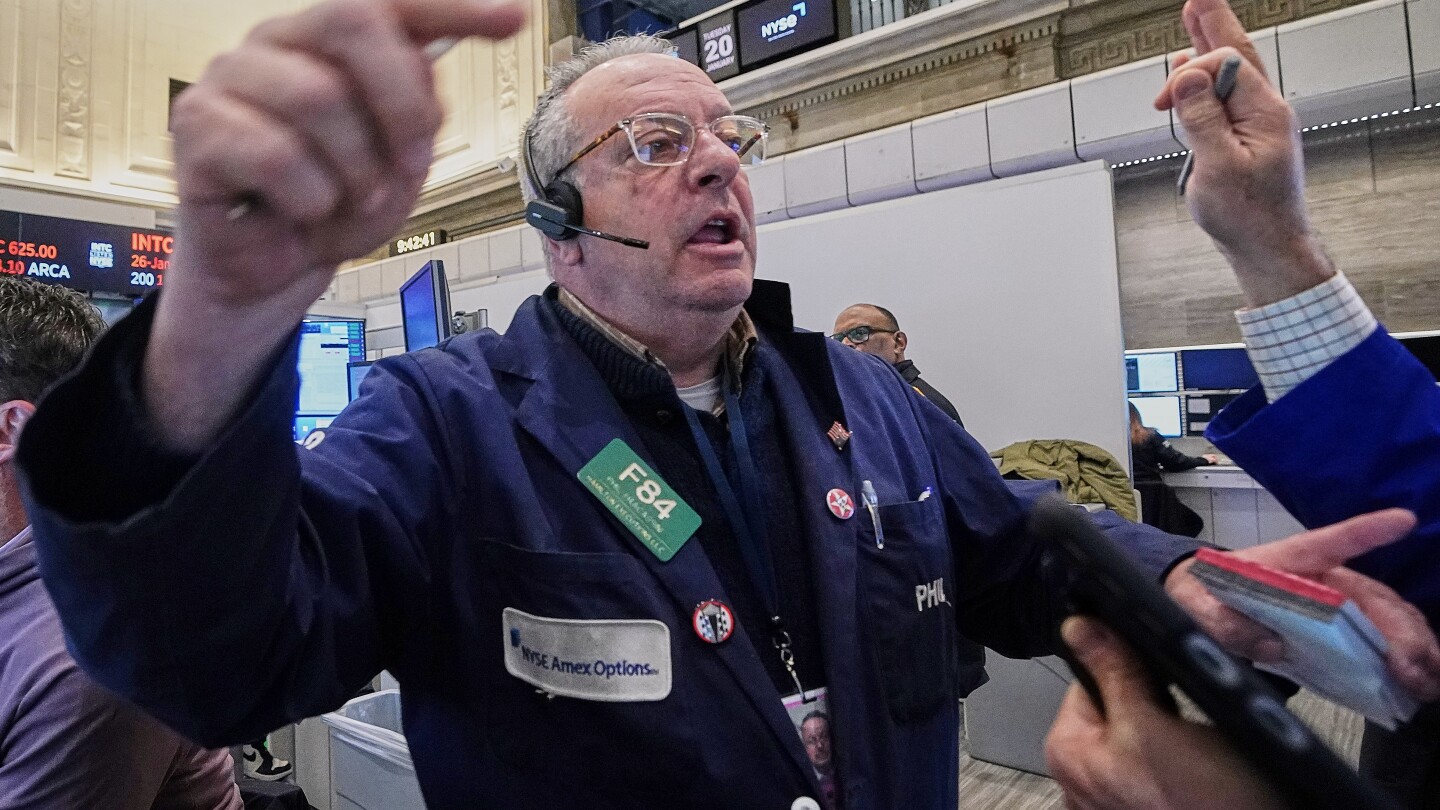
    Wall Street exhibited tentative stabilization on Wednesday as investor nerves settled following President Trump’s clarification that he would not employ military force to acquire Greenland. This statement helped the market recoup a fraction of the substantial losses incurred during the previous session’s sell-off, which was triggered by the geopolitical uncertainty surrounding the proposal.

    The S&P 500 index advanced 0.3%, edging closer to its recent all-time peak after a 2.1% plunge on Tuesday. The Dow Jones Industrial Average climbed 200 points (0.4%), while the Nasdaq composite registered a more modest 0.1% gain. The calming of tensions was also reflected in the bond market, where the yield on the 10-year Treasury note retreated slightly to 4.28% from 4.30%.

    Corporate earnings emerged as a primary market driver, providing pockets of strength. Halliburton surged 3.6% after the oilfield services giant delivered quarterly profits that surpassed analyst expectations. United Airlines ascended 3.5% following a similarly robust earnings report and optimistic revenue guidance from CEO Scott Kirby for 2026.

    However, not all corporate news was positive. Netflix shares tumbled 4.8% as investor focus shifted from its profit beat to concerns over decelerating subscriber growth. Kraft Heinz faced even steeper losses, plummeting 6.6% after Berkshire Hathaway signaled a potential divestiture of its massive 325-million-share stake, a move compounded by recent board resignations and a major write-down.

    Underlying anxieties persisted, evidenced by a 1.9% rally in gold, which breached $4,800 per ounce for the first time. Market participants continued to monitor the implications of proposed 10% tariffs on several European nations and evolving fiscal policies in Japan, where Prime Minister Sanae Takaichi’s snap election call sent government bond yields to record levels amid expectations for expansive tax cuts and spending.

  • As fires in Chile burn, a mobile clinic fights to save furry survivors

    As fires in Chile burn, a mobile clinic fights to save furry survivors

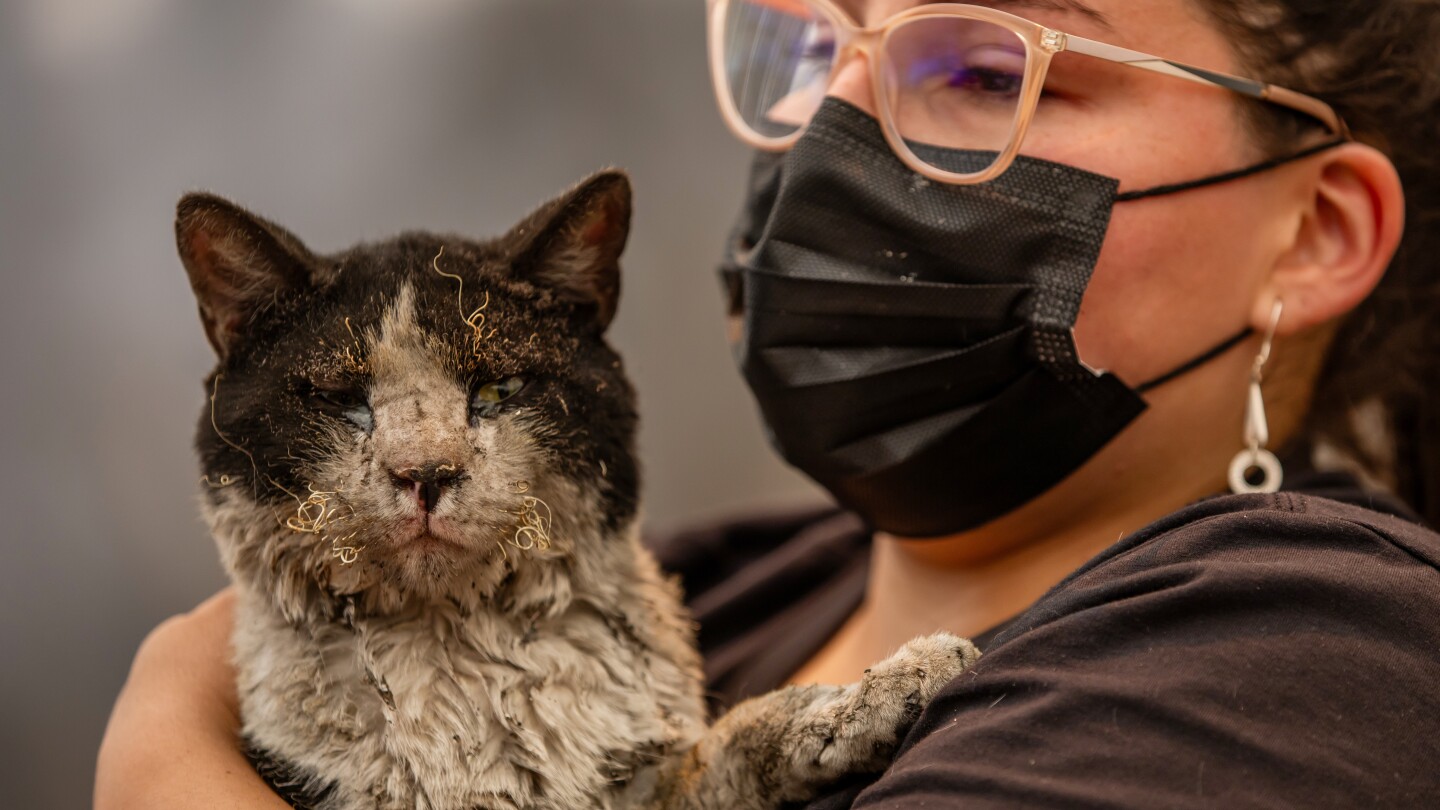
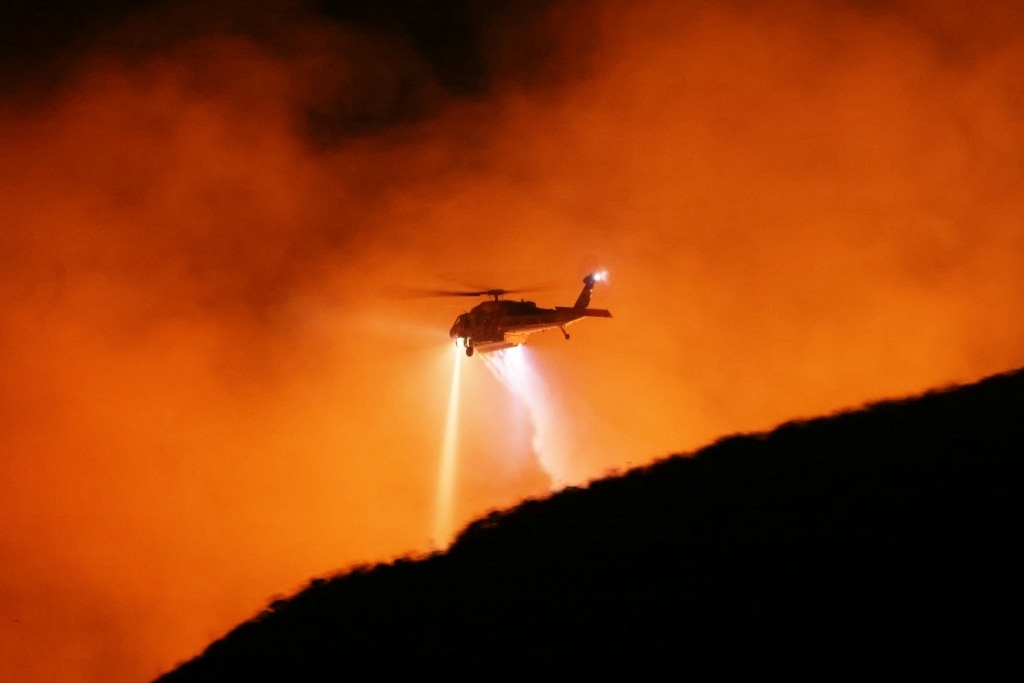
    In the fire-ravaged town of Lirquén, Chile, a critical rescue operation is underway to save animals caught in one of the nation’s most devastating wildfire emergencies. National police canine units and volunteer teams have established mobile veterinary clinics to provide emergency care to pets and wildlife suffering from severe burns, dehydration, and smoke inhalation.

    The makeshift medical facility, operating from a small van, treats a continuous stream of cats, dogs, and other animals arriving with burned paws and whiskers, conjunctivitis from toxic fumes, and severe dehydration after days trapped under debris. According to Dr. Angiella Scalpello, veterinarian with the investigative police’s canine squad, their primary mission involves locating and treating animals discovered in rubble, ash, or those that escaped with owners but sustained injuries during the massive fires.

    Lirquén, a community of approximately 20,000 residents in south-central Chile, has endured catastrophic damage with 80% of the town consumed by flames. The Trinitarias fire, spanning over 140 square kilometers in the Bío Bío region, represents the most destructive among approximately 30 active wildfires nationwide. Official reports indicate the fires have resulted in at least 20 fatalities and nearly 300 human injuries.

    Veterinarian Juan Vivanco reported that rescue teams frequently discover cats sheltering in small spaces that miraculously survived both the initial inferno and subsequent days without care. However, the timeframe for successful rescues remains extremely limited. “We’ve also found several pets already deceased… it happens regularly,” Vivanco acknowledged.

    Treatment protocols include intravenous fluids, vital sign monitoring, and wound care, with the most critical cases transported to established veterinary hospitals. Volunteer Vanessa Morales described transporting severely burned animals, including a kitten with all four paws and tail burned, highlighting the emotional toll on rescue workers.

    Beyond medical treatment, the mobile clinic serves as a coordination point for residents seeking missing pets amid the chaos. Yasna Hidalgo searches for her grandmother’s two dogs left behind during an emergency evacuation, while Kevin Carrasco brought his poodle Chica for treatment of fire-related conjunctivitis despite the family’s successful escape from their completely destroyed home.

    This disaster echoes Chile’s previous wildfire tragedy two years prior that claimed over 130 lives, marking what authorities now consider one of the nation’s most serious emergencies in recent years.

  • Man wanted in connection to stabbing of 18yo woman in Melbourne’s inner suburbs found dead: police

    Man wanted in connection to stabbing of 18yo woman in Melbourne’s inner suburbs found dead: police

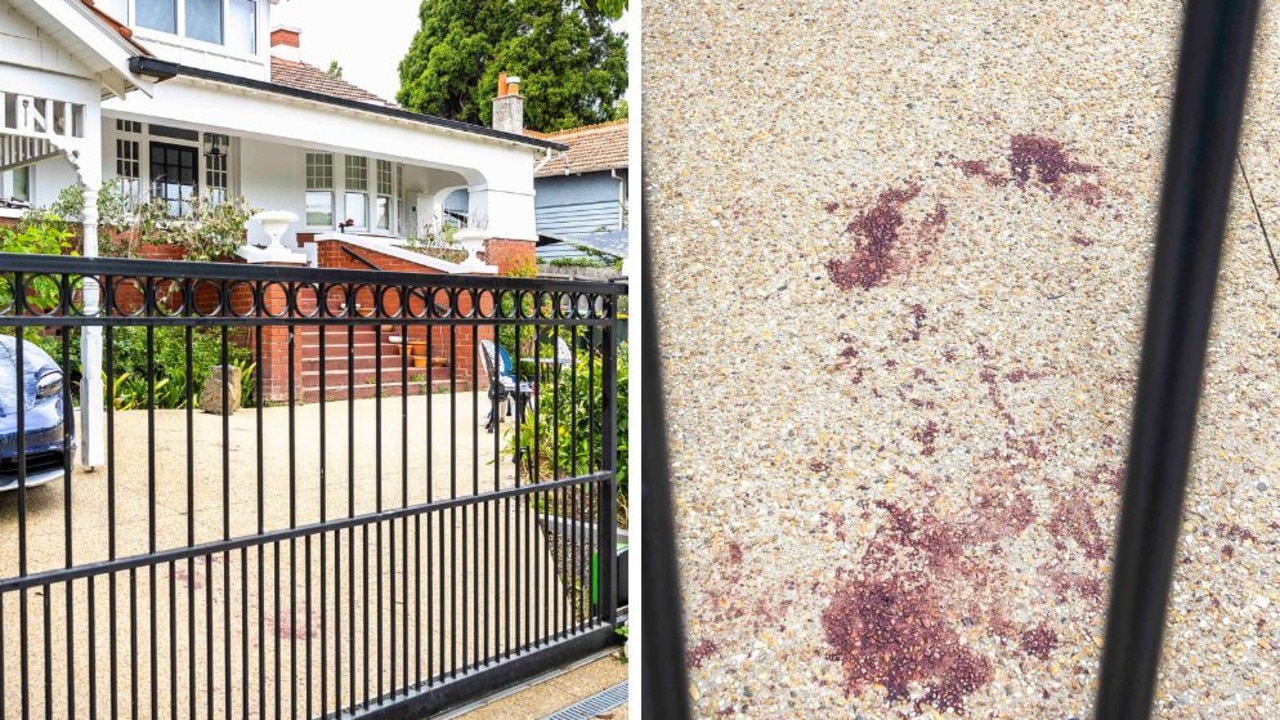
    A violent incident that unfolded in Melbourne’s inner suburbs has reached a tragic conclusion with the discovery of the prime suspect’s body mere hours after the attack. The case began when an 18-year-old woman was brutally stabbed outside a Miller Grove residence at approximately 1:00 AM on Wednesday morning, shortly after returning from an evening out.

  • Illicit tobacco shops across WA refilled ‘10 times a day’ as cops scramble to clamp down

    Illicit tobacco shops across WA refilled ‘10 times a day’ as cops scramble to clamp down

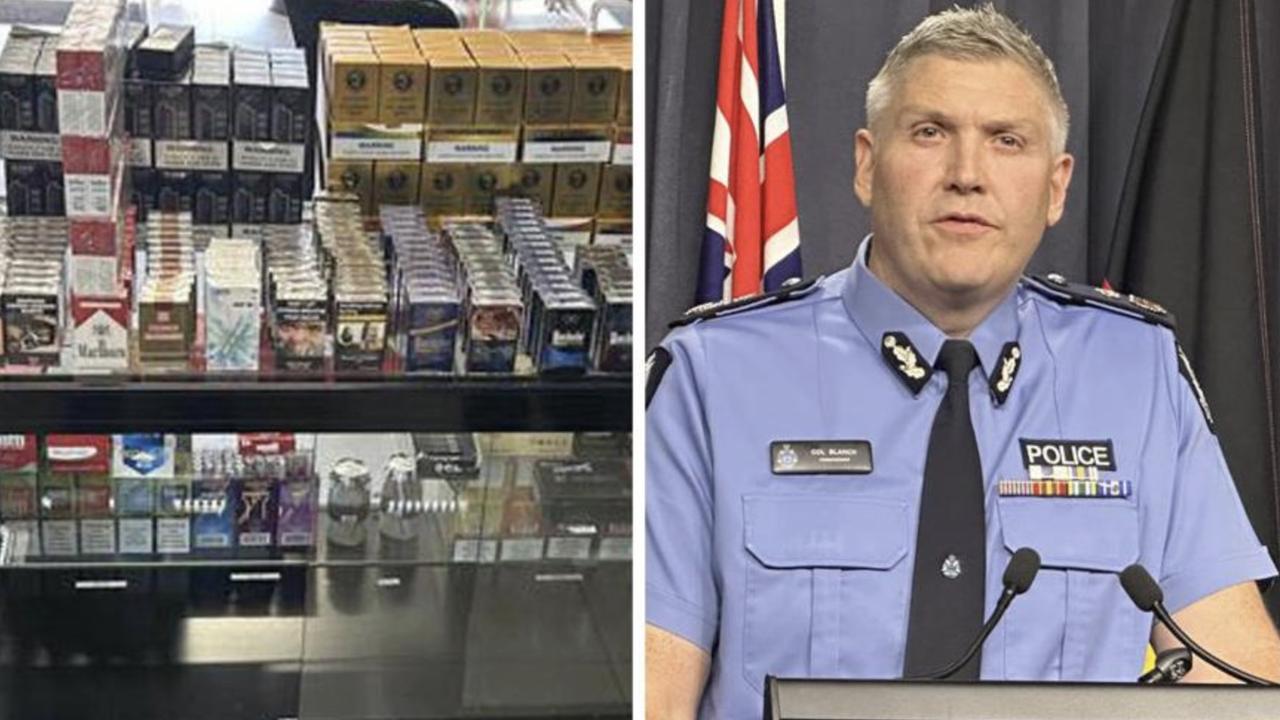
    Western Australia’s top law enforcement official has provided a startling revelation about the challenges authorities face in combating the illicit tobacco trade, describing a sophisticated criminal operation that rapidly restocks shops despite ongoing police raids and firebombings.

    Police Commissioner Col Blanch disclosed that organized crime networks are resupplying illicit tobacco retailers up to ten times daily, creating an endless cycle that overwhelms enforcement efforts. The criminal business model capitalizes on the high demand for prohibited products, with suppliers immediately replacing confiscated goods even at locations damaged by arson attacks.

    “The operational pattern demonstrates remarkable coordination,” Commissioner Blanch explained during an ABC Perth interview. “When enforcement agencies execute warrants and seize contraband, suppliers receive immediate notification to deliver replacement inventory, effectively neutralizing the impact of individual raids.”

    This revelation comes as authorities intensify collaboration between police and health departments through Operation Maverick, a multi-agency initiative targeting non-compliant tobacco retailers across Western Australia. Since November, the operation has resulted in 59 criminal charges against twelve individuals, including allegations of arson, burglary, and drug-related offenses.

    Commissioner Blanch issued a stern warning to property owners, emphasizing potential insurance complications for landlords harboring tenants engaged in illegal tobacco sales. “Property owners face significant financial risks when their premises are used for illicit activities,” he noted. “Insurance providers may deny coverage for fire damage or other claims if landlords were aware of or suspected illegal operations.”

    Some commercial property owners in the state’s South West region have already taken preventive measures by evicting tenants involved in the illegal tobacco trade to protect their assets from potential damage and insurance complications.

    The state government is developing new legislative measures to strengthen enforcement capabilities, including provisions for store closure orders that would disrupt the rapid resupply chain. Premier Roger Cook affirmed the government’s commitment to addressing the crisis, stating: “Western Australians should be reassured that new legislation will be introduced to parliament as a priority. We must employ every available tool to disrupt this illegal trade and ensure community safety.”

    Police Minister Reece Whitby highlighted the broader consequences of the illicit tobacco market, noting that consumer purchases fund international criminal networks. “Choosing cheap cigarettes ultimately supports violent criminal organizations,” Minister Whitby cautioned. “Our police taskforce will continue targeting these networks through aggressive enforcement actions while protecting legitimate businesses operating within the law.”

  • Man who assassinated former Japanese prime minister gets life in prison

    Man who assassinated former Japanese prime minister gets life in prison

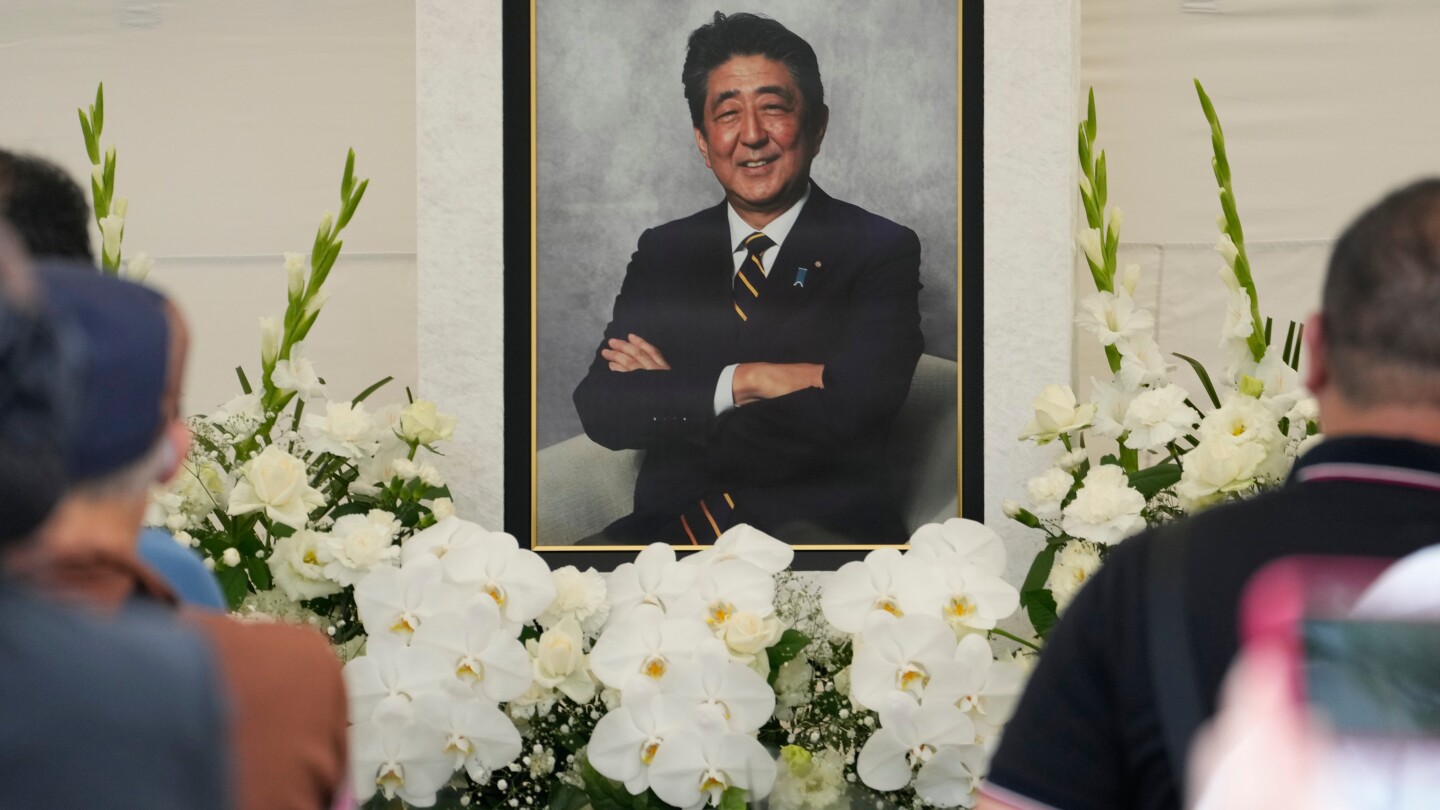
    A Japanese court has imposed a life imprisonment sentence on Tetsuya Yamagami, the 45-year-old perpetrator who assassinated former Prime Minister Shinzo Abe in July 2022. The Nara District Court delivered its verdict on Wednesday, aligning with prosecutors’ demands for maximum punishment under applicable statutes.

    The courtroom proceedings revealed Yamagami’s meticulously planned attack during Abe’s campaign speech in Nara, where he employed a homemade firearm to fatally strike the prominent statesman. This violent act profoundly shocked a nation renowned for its stringent firearm regulations and generally low incidence of political violence.

    Yamagami’s testimony unveiled his underlying motivations, explaining that he targeted Abe after viewing a video message the former leader had sent to an affiliate of the Unification Church. The assailant expressed intense animosity toward the religious organization, claiming his actions aimed primarily to damage the church and expose its deep-rooted connections with Japan’s political establishment.

    The trial exposed decades of intertwined relations between the ruling Liberal Democratic Party and the controversial South Korean-based religious movement. These revelations prompted significant political repercussions, including the party’s strategic distancing from the church and subsequent governmental investigations.

    These investigations culminated in the revocation of the church’s tax-exempt religious status in Japan and ultimately led to its ordered dissolution. Additionally, the assassination has triggered comprehensive reviews of security protocols for public figures and dignitaries throughout Japan.

    While prosecutors sought life imprisonment, defense attorneys advocated for a reduced sentence of no more than 20 years, citing Yamagami’s traumatic childhood as the son of a church adherent. Japanese law permits capital punishment in murder cases, though prosecutors typically reserve this for incidents involving multiple fatalities.

    The case has generated unusual public sympathy for Yamagami, with thousands petitioning for clemency and sending care packages to his detention facility. His actions have also spurred legislative changes, including new regulations restricting aggressive donation solicitations by religious organizations.

  • Why is Emmanuel Macron wearing sunglasses indoors at Davos?

    Why is Emmanuel Macron wearing sunglasses indoors at Davos?

    French President Emmanuel Macron’s distinctive blue reflective aviator sunglasses during his World Economic Forum address in Davos generated significant attention, overshadowing his diplomatic critique of former US President Donald Trump’s trade policies. The unusual indoor eyewear choice, coupled with his recent public appearance with a visibly red eye, prompted speculation about an underlying medical condition.

    Medical experts and French media reports suggest President Macron likely experienced a subconjunctival hemorrhage—a ruptured blood vessel in the eye characterized by its harmless, painless nature and spontaneous resolution within approximately two weeks. The condition typically results from minor trauma, vigorous coughing or sneezing, or may indicate underlying health factors such as hypertension or diabetes.

    During a recent military engagement in southern France, Macron acknowledged the visible condition with humor, referring to it as “l’oeil du tigre” (the eye of the tiger)—a cultural reference to the theme song from Rocky III—while assuring officials the condition was “totally benign” and “completely insignificant.”

    Medical commentator Dr. Jimmy Mohamed explained to RTL broadcasting that Macron’s sunglasses choice served primarily aesthetic purposes: “As a public figure, he opted for this style to manage public perception. The glasses protect his image rather than his vision, preventing continuous photography of the affected eye.”

    The fashion statement ignited social media reactions ranging from comparisons to Tom Cruise’s Top Gun persona to criticisms of showmanship, with some French commentators using the slang term “kéké” (show-off). Meanwhile, Macron’s substantive address warned against rising authoritarian tendencies and violations of international law, specifically referencing Trump’s threatened tariffs against eight European nations opposing his Greenland acquisition proposal and 200% duties on French wine imports following France’s refusal to join his Gaza peace initiative.

  • Tourist helicopter goes missing near volcano in Japan

    Tourist helicopter goes missing near volcano in Japan

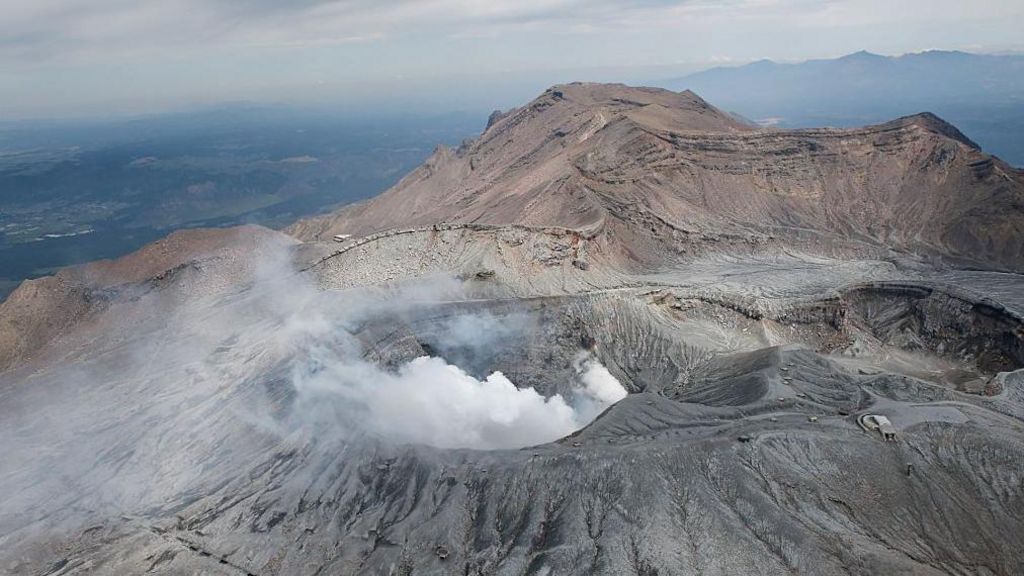
    Rescue operations are underway in southwestern Japan’s Kumamoto Prefecture after a sightseeing helicopter carrying three individuals vanished during a tour near the volatile Mount Aso volcano. The aircraft, operated by Takumi Enterprise, departed from Aso City Zoo at 10:52 local time Tuesday for what should have been a routine 10-minute scenic flight but failed to return as scheduled.

    According to local authorities, police helicopters scanning the area later identified an object resembling an aircraft within the crater of Nakadake—one of Mount Aso’s five distinct peaks—during afternoon surveillance. Official confirmation regarding whether this object is indeed the missing Robinson R44 helicopter remains pending as investigation continues.

    The flight manifest included a 64-year-old veteran pilot with four decades of aviation experience and two Taiwanese tourists. The operator confirmed the aircraft had completed two uneventful tours earlier that day before disappearing on its third scheduled trip. Weather conditions at the time of disappearance were reported as cloudy over the Nakadake region, complicating initial search efforts which were suspended Tuesday evening due to visibility constraints before resuming at dawn Wednesday.

    In response to the incident, Takumi Enterprise has temporarily grounded its entire fleet of sightseeing helicopters. The volcanic helicopter tours represent a significant tourism attraction for the region, offering aerial views of one of Japan’s most geologically active landscapes. This incident echoes a previous emergency involving the same company in 2024 when one of their helicopters made an emergency landing at Mount Aso, resulting in injuries to three occupants.

    Mount Aso, which last erupted in October 2021 producing substantial volcanic plumes, remains one of the country’s most monitored volcanic zones due to its persistent activity.

  • Australia to unite for national day of mourning to honour victims killed in Bondi Beach terror attack

    Australia to unite for national day of mourning to honour victims killed in Bondi Beach terror attack

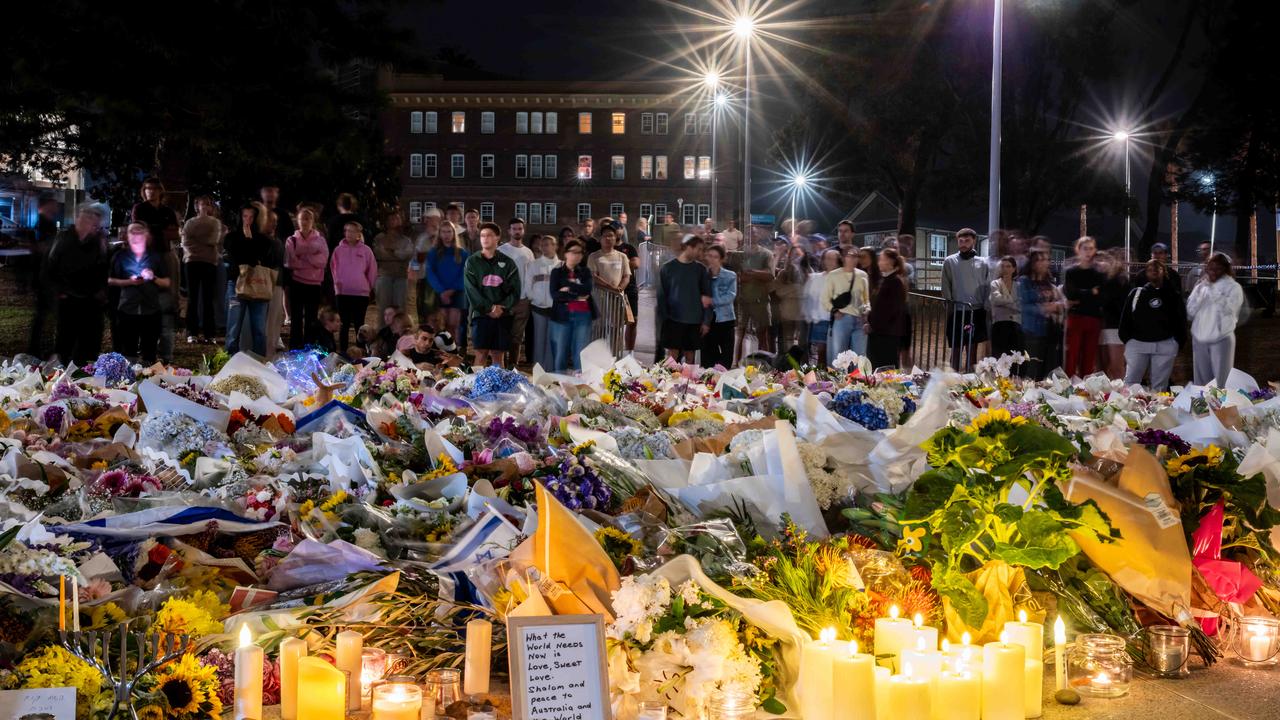
    Australia will solemnly observe a national day of mourning this Thursday to honor the memory of the fifteen individuals tragically killed in last year’s terrorist attack at Bondi Beach. Prime Minister Anthony Albanese formally announced the commemorative event on Saturday, revealing the theme ‘Light will win, a gathering of unity and remembrance’ selected by the Bondi Chabad Community.

    The nationwide observance will feature a synchronized moment of silence at 7:01 PM AEDT, during which major television and radio networks will temporarily suspend regular programming to facilitate national reflection. In a powerful visual tribute, significant buildings across New South Wales and Canberra will be illuminated as a ‘symbol of light’ representing national solidarity.

    Commemorative installations titled ’15 pillars of light’ will serve as visible monuments of mourning and remembrance. Federal and NSW government buildings will display flags at half-mast as a mark of respect, with all other organizations encouraged to follow this protocol.

    The central memorial service, organized by Chabad of Bondi, will be livestreamed via the organization’s YouTube channel and Sky News at 7:00 PM. Both Prime Minister Albanese and NSW Premier Chris Minns are scheduled to deliver addresses during the ceremony. Concurrently, Melbourne will host an interfaith vigil at St Paul’s Cathedral, bringing together leaders from diverse religious backgrounds.

    Australians are encouraged to participate through multiple symbolic gestures: placing illuminated candles on doorsteps or windowsills, undertaking one of fifteen suggested Mitzvot (acts of kindness and moral responsibility), and contributing to a digital condolence book established for the Bondi Beach tragedy. Suggested acts of kindness include sharing meals with community members, checking on vulnerable individuals, making charitable donations, and offering warm greetings to others.

    This day of mourning marks Australia’s first national observance since Queen Elizabeth II’s passing in 2022 and will not be designated as a public holiday. The coordinated efforts aim to demonstrate national unity while providing avenues for collective grieving and support for the victims’ families and the affected Jewish community.