博客

  • Hydropower deal boosts grid integration in ASEAN

    Hydropower deal boosts grid integration in ASEAN

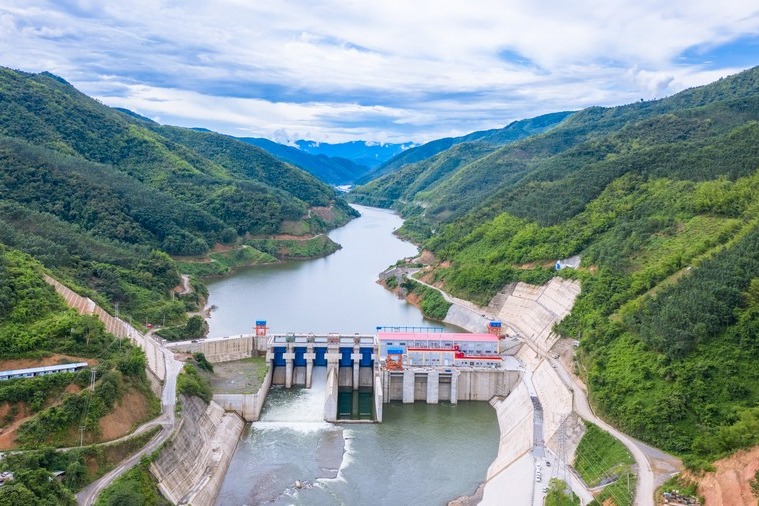
    Southeast Asian nations are advancing regional energy integration through a renewed multilateral agreement facilitating hydropower transmission from Laos to Singapore via Thailand and Malaysia. The landmark deal, signed on January 14, represents a strategic step in the Association of Southeast Asian Nations’ (ASEAN) broader initiative to create an interconnected power framework across the region.

    While the initial capacity of 100 megawatts may appear modest, energy experts emphasize the arrangement’s significance lies in establishing a replicable commercial model rather than immediate volume. Christina Ng, Managing Director at the Energy Shift Institute, described the capacity as ‘inconsequential’ but highlighted the framework’s importance: ‘It’s what ASEAN needs right now—a repeatable, bankable commercial framework that markets can scale.’

    The agreement forms part of the ASEAN Power Grid (APG) initiative, first conceptualized through a 2007 memorandum of understanding and implemented in 2009. The Laos-Thailand-Malaysia-Singapore Power Integration Project, operational since 2018, represents the first multilateral cross-border electricity trade project within ASEAN. The current renewal follows successful pilot operations from 2022 to 2024 where Laos transmitted hydropower to Singapore using existing interconnections, with Thailand and Malaysia serving as transmission intermediaries.

    Energy security experts note that cross-border renewable energy trade offers ASEAN nations a strategic tool to diversify energy risks without increasing dependence on volatile fossil fuels. ‘Energy security today is less about ‘owning fuel’,’ Ng explained. ‘It’s more about managing exposure to concentrated risks’—particularly relevant as geopolitical tensions threaten traditional shipping routes and fuel costs.

    According to Dinita Setyawati, Senior Analyst at global energy policy think tank Ember, the collaboration demonstrates ASEAN countries prioritizing economic growth and decarbonization goals over political differences. The region’s energy ministers reinforced this commitment in October 2025 by signing an enhanced memorandum understanding to strengthen electricity connectivity through multilateral power trade and renewable integration.

    Implementation challenges remain, however. David Broadstock, partner at Singapore-based consultancy The Lantau Group, noted that incomplete power grid infrastructure hinders regional connectivity, while Ng highlighted interoperability issues across eleven nations with differing technical standards. For land-constrained Singapore, which lacks sufficient wind resources, hydropower potential, and space for large-scale solar development, such cross-border arrangements represent essential pathways toward renewable energy adoption and energy security.


  • Danish veterans of US wars feel betrayed by Trump’s threats against Greenland

    Danish veterans of US wars feel betrayed by Trump’s threats against Greenland

    COPENHAGEN, Denmark — The profound bond forged between American and Danish soldiers on the battlefields of Afghanistan now stands in stark contrast to the diplomatic crisis unfolding over U.S. threats to acquire Greenland. Danish veterans who fought alongside U.S. troops express deep feelings of betrayal as the Trump administration escalates its campaign to seize the strategic Arctic territory.

    Martin Tamm Andersen, a 46-year-old former platoon commander, vividly recalls the moment in 2010 when his armored vehicle struck an improvised explosive device in Helmand Province. Amid the chaos and dust, American Marines immediately halted their firefight with Taliban forces to secure the area and evacuate the wounded Danish soldiers. “When America needed us after 9/11 we were there,” Andersen stated in an interview at the Danish War Museum, where his destroyed vehicle is now displayed.

    The current diplomatic tension stems from President Trump’s repeated assertions that the United States must take control of mineral-rich Greenland, even suggesting military force as a viable option. This stance has generated widespread shock across Europe, particularly among Danish military personnel who sacrificed greatly in joint operations with American forces.

    Denmark, a NATO member since 1949, suffered the highest per capita casualties among coalition forces in Afghanistan, with 44 soldiers killed. An additional eight died during operations in Iraq. Søren Knudsen, a 65-year-old veteran who served two tours in Afghanistan, described the situation as “surreal” and “like a bad joke.” The deputy president of the Danish Veterans Association has personally packed away his U.S. Bronze Star medal and American flag—gifts from his service alongside U.S. troops—until the alliance is restored.

    Both veterans emphasized that Denmark remains committed to regional security through existing agreements, including the 1951 defense pact that already grants the U.S. military access to Greenland’s Pituffik Space Base. They assert that their wartime experiences created unbreakable bonds with American comrades, whom they believe do not share the administration’s confrontational approach toward Denmark.

    The potential seizure of Greenland would represent, in Knudsen’s words, “the final moments of the NATO alliance” and the end of his “admiration and love of what has been the American experiment for 250 years.”

  • Energy prices lowered to warm rural consumers

    Energy prices lowered to warm rural consumers

    Multiple cities across northern China have implemented strategic reductions in natural gas pricing alongside targeted subsidies to alleviate financial pressures on rural households during the critical winter heating season. Major urban centers in Hebei province—including Baoding, Langfang, Handan, and Zhangjiakou—have witnessed energy providers slashing prices by approximately 0.2 yuan per cubic meter. ENN Energy’s Baoding division notably reduced rates for rural consumers to 2.98 yuan per cubic meter effective January 15, with simultaneous commitments from other suppliers to maintain affordability and ensure uninterrupted supply chains.

    This policy intervention addresses longstanding concerns within China’s coal-to-gas conversion initiative, launched in 2017 as a cornerstone effort to combat severe air pollution. While successful in improving regional air quality, the transition unexpectedly burdened rural residents with steep energy costs. Compounding these challenges, tiered pricing structures in provinces like Shanxi saw rates escalate beyond 3 yuan per cubic meter at higher consumption levels, rendering winter heating prohibitively expensive for many families.

    Structural complexities underlie these economic pressures. Professor Liu Mengdi of the University of International Business and Economics identifies key factors: “Rural areas present significantly higher operational expenditures for inspection, maintenance, and service due to dispersed housing and low population density.” These geographical realities inflate per-household infrastructure costs compared to urban environments.

    Further complicating the landscape, initial government subsidies that facilitated early adoption have gradually diminished, transferring financial responsibility to agricultural communities. Professor Pang Jun of Renmin University’s School of Ecology and Environment adds that county-level gas companies frequently lack leverage to negotiate favorable wholesale prices.

    Beyond pricing mechanisms, alternative heating solutions are gaining traction. In Yixian county’s mountainous Sanggang village, approximately 60% of households have adopted air-source heat pump technology. Residents Xie Guoqing and Zhao Guosheng reported substantial savings—approximately 2,300 yuan seasonal electricity costs versus previous coal expenditures exceeding 3,000 yuan—following investment in high-efficiency systems and home insulation.

    Experts advocate for this diversified approach to clean heating, emphasizing solutions calibrated to local resources, economic conditions, and living habits rather than uniform natural gas dependency. While natural gas remains a reasonable primary option, the evolving strategy recognizes the necessity of adaptable, region-specific implementations across northern China’s varied rural landscapes.

  • Viral hiking trail shaped like a horse closed off

    Viral hiking trail shaped like a horse closed off

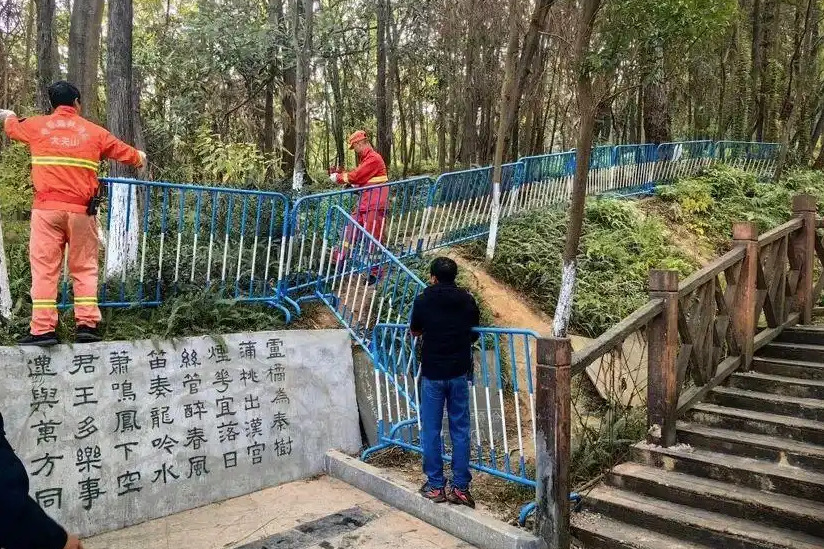
    Authorities in Guangzhou’s Panyu district have permanently closed an unregulated hiking trail that gained viral popularity for tracing the shape of a horse on digital maps. The decision follows mounting safety concerns after over 1,000 adventure seekers attempted the challenging 14.08-kilometer path through Dafu Mountain Forest Park.

    The phenomenon of ‘drawing a horse’ hiking routes emerged as a national trend among outdoor enthusiasts, with similar patterned trails appearing in Beijing’s Olympic Forest Park, Chengdu’s Longquan Mountain, and Guangzhou’s Baiyun Mountain. The Panyu route, first mapped by a hiker in late November, required approximately nine hours to complete and had been downloaded over 3,800 times from hiking applications.

    Park management officials emphasized that the trail was never an authorized path, noting numerous hazardous conditions including near-vertical 80-degree slopes, unstable terrain, falling rocks, and multiple sections requiring fence scaling. The undeveloped area also presented ecological concerns, with hiking activities damaging local vegetation and disturbing wildlife habitats including venomous snakes and insects.

    Rescue operations would be particularly challenging in these areas due to poor mobile signal coverage and complex topography, the park administration warned. The closure announcement came alongside reports of multiple injuries among attempted hikers, some suffering falls on steep, slippery surfaces.

    In response to public interest, park authorities have collaborated with professional surveyors to design an alternative 16.95-kilometer official route that similarly traces a horse silhouette. Cultural and tourism officials are currently soliciting public feedback to refine the trail’s equine shape before its formal inauguration.

    The incident reflects broader national safety concerns regarding unregulated outdoor activities. China’s General Administration of Sport recently issued regulations prohibiting unauthorized hiking and crossing activities, urging local authorities to identify and monitor popular online-famous routes. This policy follows several tragic incidents, including the recent closure of Shenzhen’s Wanglanggui area after multiple fatal accidents involving hikers in late 2025.

  • Saddling up for success

    Saddling up for success

    In the outskirts of Yihuang county, Jiangxi province, an innovative educational initiative is transforming the lives of young students through equestrian training. Tanlun Equestrian Town has emerged as a premier institution where adolescents pursue their passion for horsemanship alongside academic studies.

    Each day begins before dawn for dedicated participants like Wu Tianhao, a first-year high school student. His morning routine involves comprehensive horse care duties including grooming, exercising the animals, and maintaining stable cleanliness. This disciplined approach blends practical horsemanship skills with character development.

    The facility represents China’s growing interest in equestrian sports beyond traditional urban centers. Established as a specialized training center, it provides structured programs that combine athletic development with educational advancement. Students receive professional instruction in riding techniques, animal husbandry, and competitive equestrian disciplines.

    Photographic documentation from December 23 captures students actively engaged in training sessions, demonstrating the program’s hands-on methodology. The center’s infrastructure includes modern stables, training arenas, and educational facilities designed to nurture comprehensive equestrian expertise.

    This initiative reflects broader trends in Chinese education that increasingly value specialized skill development alongside conventional academics. By providing access to equestrian training in a region not traditionally associated with the sport, the program demonstrates how specialized athletic education is expanding across China’s diverse geographic and economic landscape.

    The equestrian town’s establishment contributes to local economic development while creating unique educational opportunities for Jiangxi’s youth. It represents how niche sporting programs can provide alternative career pathways and personal development opportunities outside mainstream athletic and educational systems.

  • Prepaid fees for elderly care secured

    Prepaid fees for elderly care secured

    China has enacted groundbreaking financial safeguards for the rapidly expanding elderly care sector, introducing mandatory third-party custodianship for all advance payments made to private nursing homes. The new regulatory framework, jointly issued by the Ministry of Civil Affairs and the National Financial Regulatory Administration, establishes comprehensive protections for seniors’ financial resources amid growing concerns about fund mismanagement and fraud.

    The cornerstone of the regulations requires all privately operated care facilities to deposit prepaid fees exclusively into designated custodial accounts at commercial banks. These funds are strictly isolated from institutional accounts, with withdrawals permitted only upon formal application demonstrating legitimate purposes supported by documentation. Banking institutions bear responsibility for monitoring transactions, refusing suspicious activities, and alerting regulatory authorities immediately.

    Financial institutions must develop integrated systems enabling real-time fund flow monitoring by civil affairs departments and process refund requests within one business day. The regulations explicitly prohibit online banking for these accounts, requiring all transactions to occur through counter services or dedicated platforms that maintain safety margins.

    Dang Junwu, former deputy director of the China Research Center on Aging, characterized the system as “installing a dedicated safe for these fees,” emphasizing three fundamental protections: account isolation, quota control, and purpose review. These measures directly address vulnerabilities exposed by China’s aging demographic transition, with projections indicating the population over 60 will reach 400 million by 2035, representing 30% of the total population.

    The regulatory intervention responds to substantial market growth that saw 41,700 elderly care institutions operating by end-2025, employing 722,000 personnel—a 12.2% annual increase. Private providers dominate the sector, constituting 52.2% of standalone facilities and 71.9% when including publicly built but privately managed operations.

    Despite sector expansion encouraged by national policies welcoming diverse investment, including foreign participation, financial practices have raised concerns. Industry surveys reveal over 90% of institutional care consumers encountered problems, particularly regarding substantial advance payments that sometimes enabled illegal fundraising, financial mismanagement, and refund obstacles.

    Legal experts acknowledge the prepaid model as an inevitable market response to demographic pressures but warn of risks when commercial tactics promise unrealistic returns. Liu Ruini, senior partner at Shaanxi Bingrui Law Firm, noted that promotional gimmicks featuring high returns or substantial discounts could lead to civil and criminal liabilities if capital chains fracture.

    The case of Shanghai resident Wu illustrates persistent vulnerabilities, experiencing a 500-day wait for refund settlement after her mother’s passing, despite contractual agreements. Such instances highlight the necessity of both regulatory frameworks and consumer diligence, including careful contract scrutiny, institution qualification verification, and documentation preservation.

    Industry representatives recognize these safeguards as essential for market development. Li Yong, president of the Shanghai Elderly Care Service and Silver Industry Association, emphasized that enhanced supervision enables older adults to feel more secure about investments, transforming demographic challenges into opportunities for social innovation and industrial upgrading.

  • Barcelona commuter rail crash disrupts service days after deadly Spanish train collision

    Barcelona commuter rail crash disrupts service days after deadly Spanish train collision

    Spain’s transportation infrastructure faces unprecedented scrutiny following two separate rail incidents that have resulted in significant casualties and nationwide disruption. In the latest development, Catalonia’s commuter rail services experienced a complete suspension on Wednesday after a Barcelona-area train collided with a collapsed retaining wall on Tuesday evening.

    The northeastern incident near Gelida, approximately 37 kilometers from Barcelona, resulted in one confirmed fatality and 37 injuries according to emergency services. Five victims sustained serious injuries while six others received treatment for less severe conditions. Regional firefighters confirmed that the majority of casualties occurred in the train’s foremost carriage, with all passengers successfully evacuated from the wreckage.

    This tragedy occurs simultaneously with ongoing recovery operations from Sunday’s devastating high-speed rail accident in southern Spain, approximately 800 kilometers from the Barcelona incident. That collision has claimed at least 42 lives, with emergency crews continuing search operations for potential additional victims. The Spanish government has declared three days of national mourning in response to the dual tragedies.

    Prime Minister Pedro Sánchez addressed the recent accident via social media, expressing “all my affection and solidarity with the victims and their families” in the wake of the Barcelona-area crash.

    Initial investigations by Spain’s railway operator ADIF suggest that heavy rainfall across northeastern Spain likely caused the structural failure of the containment wall that ultimately fell onto the tracks. While Spain’s high-speed rail network has historically maintained an excellent safety record, these incidents have raised questions about the reliability of commuter rail infrastructure and the impact of extreme weather events on transportation systems.

  • ‘Minor electrical issue’ on Air Force One delays Trump Davos visit

    ‘Minor electrical issue’ on Air Force One delays Trump Davos visit

    President Donald Trump’s journey to the World Economic Forum in Davos encountered an unexpected setback when Air Force One was compelled to return to Joint Base Andrews in Maryland shortly after takeoff. The White House confirmed the aircraft experienced a minor electrical malfunction, with accompanying journalists reporting temporary power loss in the press cabin.

    Following the incident, the President transferred to a secondary aircraft to continue his travel to Switzerland, though this diversion resulted in an approximately three-hour delay to his scheduled arrival. Trump was originally expected in Davos at 10:00 local time (09:00 GMT) but will now arrive closer to 13:00 local time.

    The technical incident highlights ongoing concerns regarding the aging presidential aircraft fleet. The current Air Force One planes, two modified Boeing 747-200B series aircraft, have been in service since 1990. While these aircraft have undergone upgrades, maintenance costs for both airframes and engines continue to escalate.

    This incident occurs against the backdrop of the Trump administration’s publicly expressed dissatisfaction with Boeing’s performance. Last year, the administration announced it was exploring alternatives to Boeing following repeated delays in delivering two new presidential aircraft. The situation was further complicated when Washington accepted a $400 million Boeing 747-8 donated by Qatar, with retrofitting costs to be covered by U.S. taxpayers. The White House maintains the acceptance was legal and has pledged the aircraft will ultimately be donated to Trump’s presidential library.

    Despite the travel disruption, President Trump is still expected to deliver his keynote speech at the World Economic Forum at 14:30 local time (13:30 GMT). His schedule includes high-level meetings with foreign leaders and a reception with business executives.

    The Davos appearance comes amid escalating diplomatic tensions regarding Trump’s persistent interest in acquiring Greenland. The president has stated he intends to use the forum to convince European leaders that the United States ‘must have’ Greenland for national security reasons, not excluding potential military action. These demands have been firmly rejected by both Greenland’s autonomous government and Denmark, with several European NATO members expressing opposition while simultaneously deploying military personnel to the territory for exercises.

  • Detained veteran Ugandan opposition figure critically ill in hospital, his party says

    Detained veteran Ugandan opposition figure critically ill in hospital, his party says

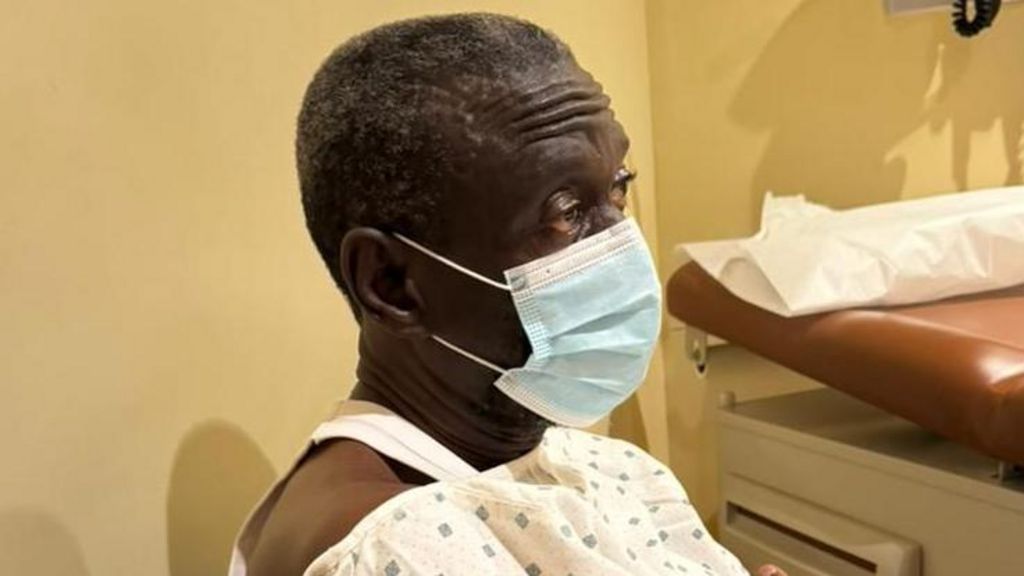
    The health condition of imprisoned Ugandan opposition leader Kizza Besigye has significantly worsened according to his political party, raising serious concerns about his treatment in state custody. The 69-year-old former presidential candidate was transported under intense security escort to a private medical facility in Kampala overnight, with his People’s Front for Freedom (PFF) party reporting his condition had reached a critical stage.

    Prison authorities have contradicted these accounts, characterizing the medical visit as routine and maintaining that Besigye remains in satisfactory health. Frank Baine, spokesperson for Uganda’s prison system, stated the opposition figure receives standard medical supervision and was recently observed performing exercises.

    Besigye, who served as personal physician to President Yoweri Museveni before becoming his principal political rival, faces capital charges including treason and illegal firearms possession. His detention dates to November 2024 when he was extraordinarily renditioned from Kenya alongside associate Obeid Lutale.

    The PFF has issued strong accusations against Ugandan authorities, alleging deliberate denial of adequate medical care and violation of fundamental human rights. ‘We hold the regime and prison authorities fully accountable for his well-being,’ the party declared, characterizing official statements as attempts to conceal the physical consequences of prolonged detention.

    Personal accounts from Besigye’s family paint a distressing picture. His wife Winnie Byanyima described severe symptoms including acute abdominal pain, high fever, dehydration, and tremors sufficiently severe to impair mobility. She confirmed her husband has refused treatment from prison medical staff, demanding access to independent physicians.

    This incident echoes previous health crises during Besigye’s confinement at Luzira Maximum Security Prison, including a critical condition developed during a February hunger strike protesting judicial proceedings. The opposition leader’s legal team has faced repeated bail denials, with courts citing procedural delays in plea entry.

    The health emergency emerges against Uganda’s tense political backdrop following recent elections where Museveni secured extended power amid opposition allegations of electoral manipulation. Bobi Wine, Museveni’s primary challenger, has rejected the official results and reportedly gone into hiding citing safety concerns.

  • Top ally of South Korea’s Yoon given 23 years in prison for rebellion over martial law crisis

    Top ally of South Korea’s Yoon given 23 years in prison for rebellion over martial law crisis

    In a landmark ruling with profound implications for South Korea’s democracy, the Seoul Central District Court on Wednesday declared former President Yoon Suk Yeol’s 2024 imposition of martial law an act of rebellion, sentencing his prime minister to 23 years imprisonment for his central role in the constitutional crisis.

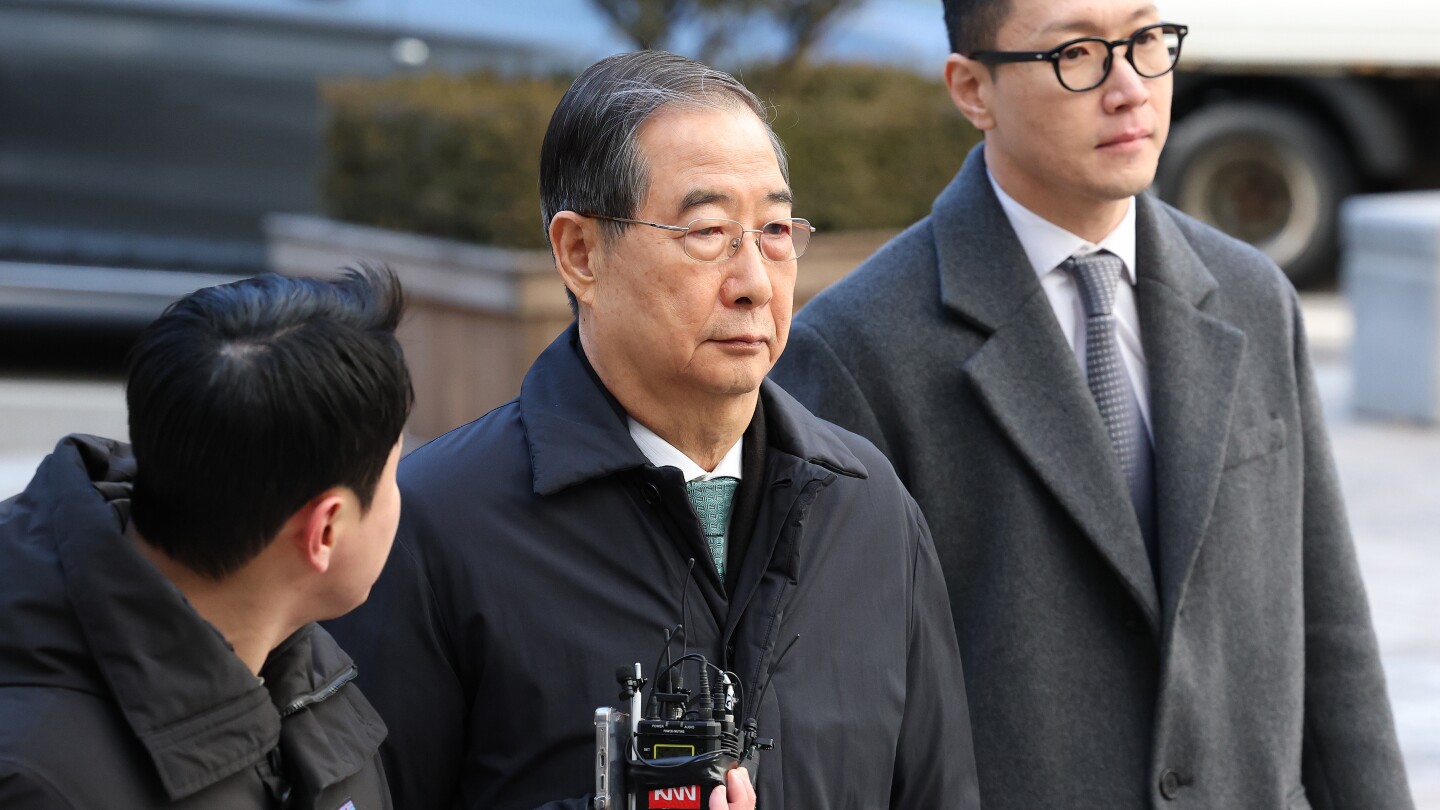
    Former Prime Minister Han Duck-soo became the first official from the Yoon administration convicted of rebellion charges, marking a pivotal moment in the legal proceedings stemming from the December 2024 martial law declaration that ultimately led to Yoon’s impeachment and removal from office. The court’s verdict establishes critical legal precedent for upcoming rulings involving Yoon and his associates, who face similar charges.

    In its televised verdict, the court determined that Yoon’s martial law decree constituted what it characterized as ‘a riot’ or ‘a self-coup,’ specifically citing his deployment of troops and police officers to Parliament and election offices as actions intended to undermine South Korea’s constitutional order. The court found these measures sufficiently severe to potentially destabilize the entire region.

    The judiciary sentenced Han for providing procedural legitimacy to Yoon’s rebellion by orchestrating its passage through a Cabinet Council meeting. Additional convictions included falsifying the martial law proclamation, destroying evidence, and committing perjury under oath.

    Presiding Judge Lee Jin-gwan delivered a stern rebuke, stating: ‘Because of the defendant’s action, the Republic of Korea could have returned to a dark past when the basic rights of the people and the liberal democratic order were trampled upon, becoming trapped in the quagmire of dictatorships for an extended period.’

    Following the ruling, Han was immediately taken into custody. His 23-year sentence exceeded expectations, as independent counsel had previously requested a 15-year term. Han maintains his innocence, claiming he opposed Yoon’s martial law plan and denying most charges. He retains the right to appeal Wednesday’s ruling.

    The case represents one of multiple legal proceedings against the former conservative leader. Yoon, already incarcerated for months, faces eight criminal trials including the rebellion case. Last Friday, he received a five-year prison term for defying detention attempts, fabricating the martial law proclamation, and denying Cabinet members their deliberation rights. Yoon continues to deny all rebellion charges, asserting he merely sought public support against opposition party obstruction and denouncing investigations as ‘frenzied’ operations involving ‘manipulation’ and ‘distortion.’

    The court is scheduled to rule on Yoon’s rebellion charges on February 19, with prosecutors having requested the death penalty for the former president.