博客

  • ICE activity increases in Maine as anxiety grows in immigrant communities

    ICE activity increases in Maine as anxiety grows in immigrant communities

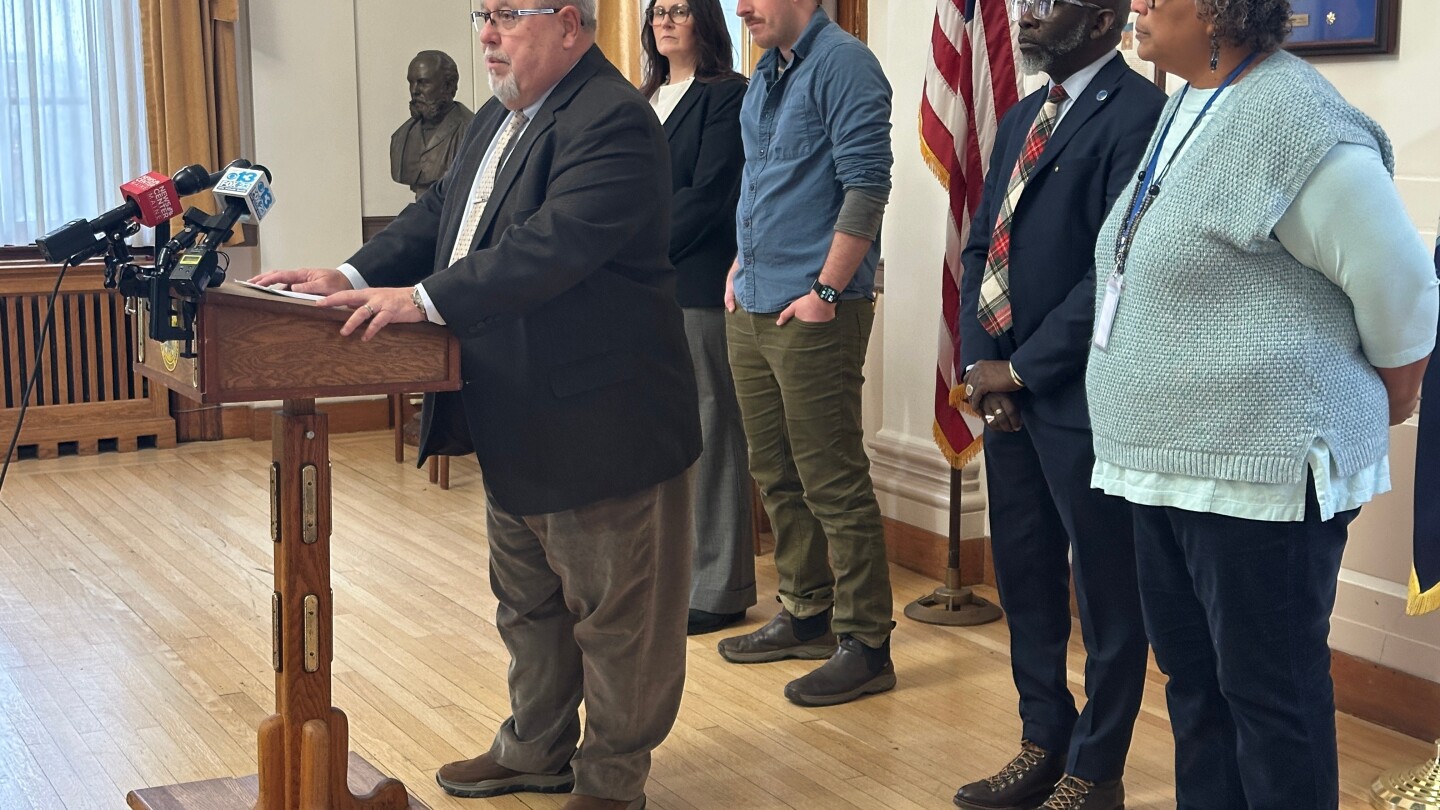
    PORTLAND, Maine — The Trump administration has expanded its immigration enforcement operations to Maine through a controversial initiative dubbed ‘Operation Catch of the Day,’ drawing significant opposition from local governments and communities. Despite Maine’s relatively small population of undocumented residents, the state hosts substantial African refugee communities in Portland and Lewiston that have become primary targets of this enforcement surge.

    The Department of Homeland Security’s operation follows similar pattern-based initiatives in other states, including ‘Metro Surge’ in Minnesota and ‘Midway Blitz’ in Chicago. The deployment has triggered widespread anxiety within immigrant communities, prompting organized resistance from civic leaders, educational institutions, and local businesses.

    Governor Janet Mills and Democratic officials have mounted substantial opposition, including the state’s refusal to provide undercover license plates to Immigration and Customs Enforcement agents. Secretary of State Shenna Bellows, a longstanding Trump critic, explicitly denied federal requests for confidential vehicle identification, citing concerns about potential misuse following similar controversies in Illinois.

    Community response has been immediate and multifaceted. Portland residents have established neighborhood alert networks to monitor ICE movements, while local businesses have displayed signage prohibiting ICE agents from their premises. The Portland Public School district, where more than half of students identify as non-white, has developed contingency plans for online learning and implemented temporary security ‘lockouts’ due to immigration enforcement activities.

    City Council Member Pious Ali, originally from Ghana, reported approximately 25% absenteeism among immigrant students and described how fear has permeated essential workforce sectors. ‘Immigrants work in our hospitals, schools, and hotels—they are part of the economic engine of our community,’ Ali emphasized, criticizing the administration’s approach for generating unnecessary trauma.

    Homeland Security officials confirmed approximately 1,400 enforcement targets in Maine, with initial arrests including individuals convicted of aggravated assault, false imprisonment, and child endangerment. However, local leaders including Portland Mayor Mark Dion have challenged the operation’s proportionality, stating ‘There is no evidence of unchecked criminal activity in our community requiring a disproportionate presence of federal agents.’

    The political confrontation extends beyond immediate enforcement concerns. Bellows previously attempted to remove Trump from Maine’s presidential ballot under the 14th Amendment’s insurrection clause and recently refused to share state voter rolls with federal authorities. Republican leaders argue that withholding undercover plates compromises public safety, while federal prosecutor Andrew Benson—a Trump appointee—has urged demonstrators to maintain peaceful conduct amid growing tensions.
  • Ras Al Khaimah’s ultra-luxury residence sells for record-breaking Dh130 million

    Ras Al Khaimah’s ultra-luxury residence sells for record-breaking Dh130 million

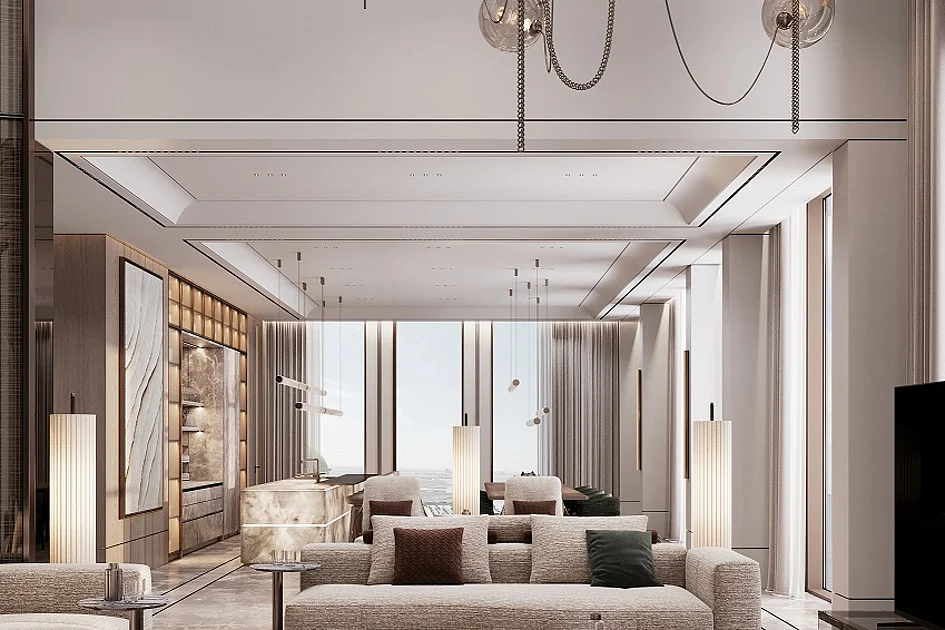
    Ras Al Khaimah’s luxury property market has achieved an unprecedented milestone with the historic sale of the Sky Palace at Waldorf Astoria Residences for Dh130 million ($35.4 million), establishing a new benchmark as the highest-value single-unit residential transaction ever recorded in the emirate.

    The landmark transaction, announced by developer Al Hamra, was accompanied by the separate sale of the development’s signature penthouse for Dh55 million ($15 million), collectively demonstrating robust investor appetite for ultra-premium waterfront properties in the northern emirate.

    This record-breaking sale occurs amid Ras Al Khaimah’s remarkable transformation into one of the UAE’s most dynamic real estate markets. The emirate’s strategic infrastructure investments, government-supported initiatives, and growing portfolio of branded residential developments have propelled its emergence as a premier investment destination.

    Market data reveals substantial property appreciation throughout 2025, with villa prices in Al Hamra Village surging by 42 percent and five-bedroom homes exceeding Dh14 million. Apartments similarly demonstrated strong growth, driven by heightened investor participation and sustained demand for resort-style communities.

    The Sky Palace itself represents the pinnacle of luxury living, occupying the top three floors of the beachfront tower across approximately 10,000 square feet. The residence offers breathtaking panoramic views of the Arabian Gulf, Wynn Al Marjan Island integrated resort, and surrounding mountain ranges. Residents enjoy exclusive access to premium amenities including private lounges, a library, cigar salon, and cinema facilities, complemented by a dedicated ferry connection to the entertainment offerings of Wynn Al Marjan Island.

    Benoy J. Kurien, Group Chief Executive Officer of Al Hamra, emphasized that these transactions reflect growing confidence in Ras Al Khaimah’s long-term economic trajectory and the increasing appeal of meticulously designed luxury developments that meet international standards.

    These landmark sales not only establish new parameters for ultra-luxury real estate in the region but significantly enhance Ras Al Khaimah’s positioning as an emerging global hub for high-net-worth investors seeking sophisticated lifestyle investments.

  • ‘Canada lives because of US’, Trump digs at Carney in Davos speech

    ‘Canada lives because of US’, Trump digs at Carney in Davos speech

    In a highly anticipated address at the World Economic Forum in Davos on Wednesday, former U.S. President Donald Trump delivered a speech that blended economic nationalism with pointed criticisms of international counterparts. While emphasizing America’s economic strength and revisiting his interest in acquiring Greenland, Trump dedicated significant portions of his remarks to targeting world leaders including Canada’s Prime Minister Mark Carney, France’s Emmanuel Macron, and Switzerland’s former President Karin Keller-Sutter.

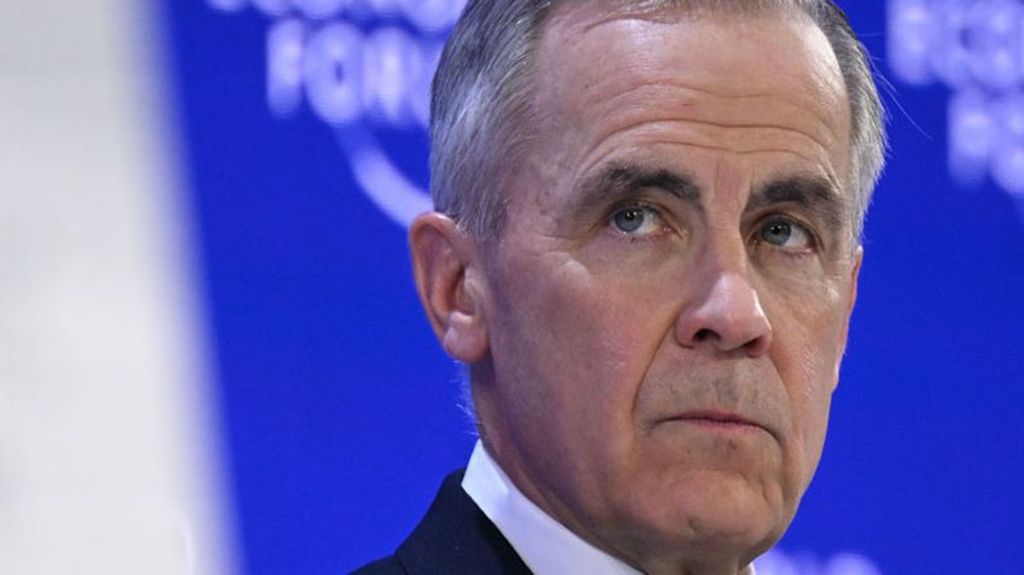
    Trump’s most assertive comments targeted Canadian Prime Minister Mark Carney, whom he addressed by first name while declaring: ‘Canada exists because of the United States. Remember that Mark, the next time you make your statements.’ The former president asserted that Canada ‘receives numerous benefits’ from its southern neighbor and ‘should express gratitude.’ These remarks came just one day after Carney’s own Davos speech where he criticized ‘great powers’ for weaponizing economic influence without explicitly naming Trump.

    The address also included personal critiques of French President Emmanuel Macron’s fashion choices. Trump questioned Macron’s decision to wear reflective aviator sunglasses during his indoor forum address, asking ‘What occurred there?’ without acknowledging the medical explanation—Macron has been managing a burst blood vessel in his eye that French officials have described as benign.

    Trump further recalled interactions with Switzerland’s former President Karin Keller-Sutter, whom he mistakenly identified as ‘prime minister.’ He characterized their discussion about potential tariff increases as frustrating, claiming she ‘repeated the same phrases continuously’ and ‘irritated me, to be candid.’ Trump revealed that following their conversation, he raised tariffs on Swiss goods to 39%, though they were later reduced to 15% following pressure from major Swiss corporations.

    The diplomatic tensions occur against a backdrop of ongoing trade concerns. Canada continues to navigate U.S. tariffs on metals and automotive sectors while seeking renewal of the USMCA agreement, critical for an economy that exports 75% of its products to the United States. Meanwhile, European leaders including Macron have accused the U.S. of attempting to ‘weaken and subordinate Europe’ through tariff threats related to Greenland.

    Trump concluded with a warning that reduced tariff rates ‘could increase again,’ emphasizing that his decisions were motivated by not wanting to ’cause harm to people’ while maintaining flexibility in trade policy.

  • Ghislaine Maxwell agrees to testify before US Congress in Epstein probe

    Ghislaine Maxwell agrees to testify before US Congress in Epstein probe

    In a significant development regarding the ongoing congressional investigation into the federal government’s handling of Jeffrey Epstein cases, imprisoned associate Ghislaine Maxwell has consented to provide sworn testimony. House Oversight Committee Chairman James Comer confirmed that Maxwell will appear virtually before the committee on February 9th, marking a pivotal moment in the high-profile investigation.

    The decision comes after months of legal maneuvering between Maxwell’s defense team and congressional investigators. Previously, Maxwell’s attorneys had insisted she would invoke her Fifth Amendment right against self-incrimination unless granted formal legal immunity. Chairman Comer acknowledged these previous positions, noting that her lawyers had consistently indicated she would ‘plead the Fifth’ without immunity protections.

    Maxwell, currently serving a 20-year sentence for recruiting and trafficking underage girls for Epstein’s sexual abuse network, finds herself at the center of multiple legal and political battles. The committee had previously denied her immunity request in July, followed by issuing formal legal summons in August compelling her testimony under oath.

    Her legal representatives had characterized testifying from prison without immunity as ‘non-starters,’ citing concerns about ‘further criminal exposure in a politically charged environment’ and legitimate security risks that could ‘undermine the integrity of the process.’

    The testimony occurs against the backdrop of continued scrutiny toward the previous administration’s handling of the Epstein case. Meanwhile, the Justice Department faces its own challenges regarding the delayed release of Epstein-related documents, with only a fraction of files made public by the December 19th deadline amid bipartisan criticism over excessive redactions.

    In a related development, the committee is simultaneously addressing former President Bill Clinton and Hillary Clinton’s refusal to testify, with lawmakers considering contempt charges against the couple. Maxwell’s unsuccessful appeal to the Supreme Court in October 2021 leaves presidential pardon as her only potential path to early release, though the White House has denied such considerations while not explicitly ruling out the possibility.

  • Watch: Animal lovers save ‘malnourished’ dog stranded on ten-lane Abu Dhabi highway

    Watch: Animal lovers save ‘malnourished’ dog stranded on ten-lane Abu Dhabi highway

    In a remarkable display of community solidarity, animal welfare advocates successfully rescued an severely malnourished Saluki dog stranded on a perilous ten-lane highway in Abu Dhabi’s Al Shawamekh area. The rescue operation, which unfolded on Tuesday afternoon, involved multiple volunteers coordinating efforts to save the endangered canine from traffic moving at speeds exceeding 140km/h.

    The dog, subsequently named Shamekh (Arabic for ‘one who stands tall with dignity, pride, and resilience’), was discovered in critical condition. Veterinary examination revealed severe malnutrition with a body weight of just 15.7kg, anemia, tick fever, ear infections, and visible scars indicating possible trauma. The absence of a microchip suggests the animal had been abandoned.

    Rawan Ghunaim, founder of rescue organization House of Hounds (HOH), spearheaded the coordinated response after being alerted by fellow rescuer Majeda Al Hosani, who initially spotted the dog during her commute. Al Hosani maintained vigil for over two hours to ensure the dog’s safety until experienced Saluki handler Hamad Al Ghanem arrived to execute the actual rescue. The operation was captured on video showing Al Ghanem calmly approaching and comforting the frightened animal before transporting him to the British Veterinary Clinic in Abu Dhabi.

    This incident highlights a disturbing trend in the UAE regarding the treatment of Salukis, a breed traditionally valued as hunting companions and family members. According to Ghunaim, who rescues two to three Salukis daily, many are now abandoned on highways, deserts, or near farms when they’re no longer deemed useful for racing or beauty contests. This represents a significant cultural shift from historical practices where these dogs were respected and integrated into family life.

    Despite their calm, low-maintenance nature often compared to cats, Salukis face adoption challenges within the UAE. Many rescued dogs consequently find homes in Europe through HOH’s international adoption program. The organization, registered as a non-profit in Europe and the United States, facilitates these transfers to families more familiar with the breed’s characteristics.

    Shamekh remains under veterinary care while awaiting eventual placement in a suitable permanent home, representing both a successful rescue story and a sobering reminder of ongoing animal welfare challenges in the region.

  • Syria: Bashar al-Assad’s uncle dies aged 88, say two sources

    Syria: Bashar al-Assad’s uncle dies aged 88, say two sources

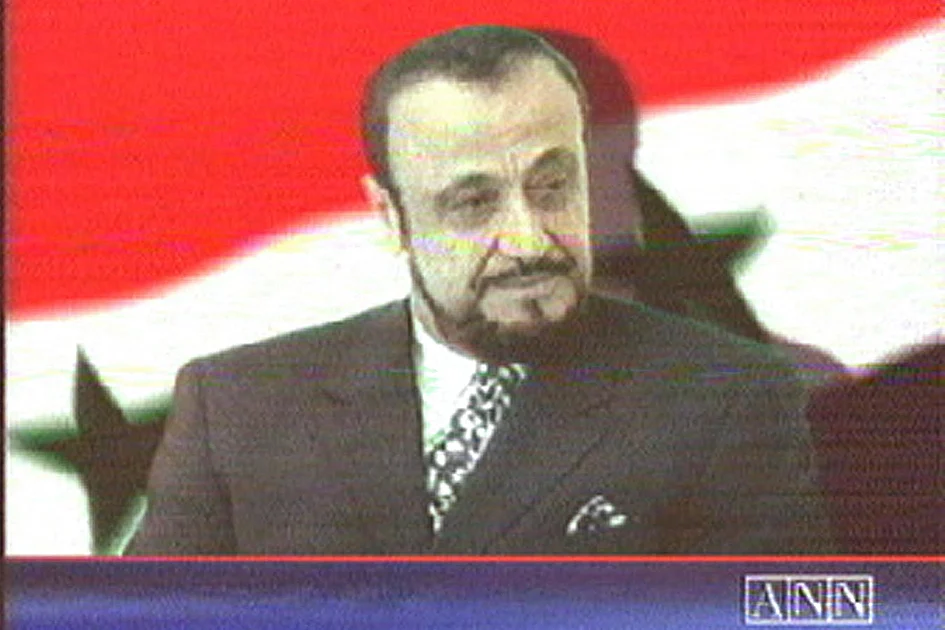
    Rifaat al-Assad, the controversial uncle of ousted Syrian President Bashar al-Assad whose brutal suppression of a 1982 uprising earned him the epithet “butcher of Hama,” has died at age 88, according to multiple sources confirmed on Wednesday.

    The former military officer played a pivotal role in helping his brother Hafez al-Assad seize power through a 1970 coup that established decades of authoritarian rule in Syria. Despite spending most of his life in exile, primarily in France, Rifaat consistently maintained presidential ambitions that would repeatedly clash with the political dynasty he helped create.

    His relationship with the Syrian leadership remained complex and fraught with tension. When Hafez al-Assad died in 2000, Rifaat openly challenged the succession plan that transferred power to his nephew Bashar, declaring himself the legitimate heir in a ultimately unsuccessful bid for control.

    The exiled figure reemerged during Syria’s 2011 uprising, publicly urging his nephew to step down to prevent civil war while simultaneously deflecting blame from Bashar himself, attributing the rebellion to accumulated governance errors rather than personal leadership failures.

    In a remarkable turn of events, Bashar al-Assad facilitated his uncle’s return to Syria in 2021, effectively rescuing him from French legal troubles where he had been convicted for acquiring millions in property using misappropriated Syrian state funds. This familial reconciliation proved short-lived when Rifaat was forced to flee again in 2024 following his nephew’s ouster from power.

    His final escape attempt involved a rejected entry request at a Russian airbase before ultimately crossing into Lebanon via unconventional means—reportedly carried across a river on the back of a close associate according to sources with direct knowledge of the incident.

  • Why Sydney is preserving thousands of flowers after deadly Bondi attack

    Why Sydney is preserving thousands of flowers after deadly Bondi attack

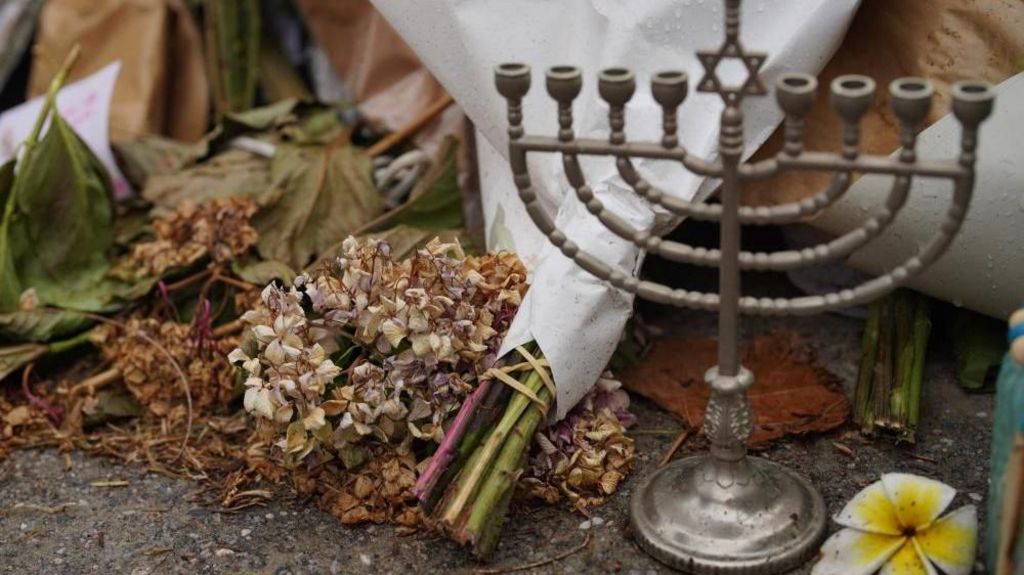
    In a powerful response to tragedy, Sydney’s Jewish community institutions have spearheaded an effort to preserve the spontaneous memorial created after December’s devastating Bondi Beach attack that claimed 15 lives. What began as a vacant shopfront on a central Sydney avenue—outwardly appearing abandoned with plastic-covered windows and padlocked doors—has transformed into a sacred repository for countless tributes left by a grieving nation.

    Inside the makeshift space, carefully organized within masking-tape squares on the floor, rest poignant mementos: cuddly toys, candles, handwritten messages of hope, and particularly touching symbols honoring the youngest victim, 10-year-old Matilda Bee. Dozens of knitted bees and deflated foil bee balloons create a special section dedicated to her memory. The collection also includes traditional Jewish mourning stones placed instead of flowers, alongside flags, books, and even unexpected items like a Barbie cracker.

    The Sydney Jewish Museum and Australian Jewish Historical Society intervened when learning the original memorial faced removal by local authorities. Senior curator Shannon Biederman, whose personal connection to the tragedy runs deep—having nearly attended the targeted Chanukah by the Sea festival and knowing victim Rabbi Eli Schlanger—described the preservation as both professional and profoundly personal. ‘I’m used to working with history,’ she noted, ‘but this is now.’

    Meanwhile, an equally massive undertaking continues at a North Sydney warehouse where volunteers face the emotional and logistical challenge of preserving approximately three tons of floral tributes. Jewish artist Nina Sanadze, overseeing the operation, described the initial sight of flower-filled black bags as resembling ‘100 bodies.’ Volunteers work methodically, hanging blooms on hastily sourced metal fences while wearing masks against overwhelming pollen and moisture.

    The preservation process has presented unique challenges, including concerns about compost fires from decomposing flowers. Yet volunteers find therapeutic purpose in their work, transforming decay into meaning. Sanadze has created resin artworks incorporating salvaged petals, describing the pieces as containing ‘decay and sadness as well as beauty.’ Her proposed title for the memorial effort, ‘Petal by Petal,’ reflects both the meticulous preservation work and the gradual emotional processing of trauma.

    As Australia prepares to honor victims with nationwide landmarks illuminated in solidarity and a moment of silence, the conversation has shifted toward unity and healing. The community emphasizes performing ‘mitzvah’—acts of kindness—as a healing tradition. While final decisions about a permanent memorial remain with a dedicated committee, the preserved items will serve as powerful testament to a nation’s collective grief and resilience.

  • Meraki Developers launches wellbeing-focused Nirvana Residence 1 in the 
heart of Dubai Production City

    Meraki Developers launches wellbeing-focused Nirvana Residence 1 in the heart of Dubai Production City

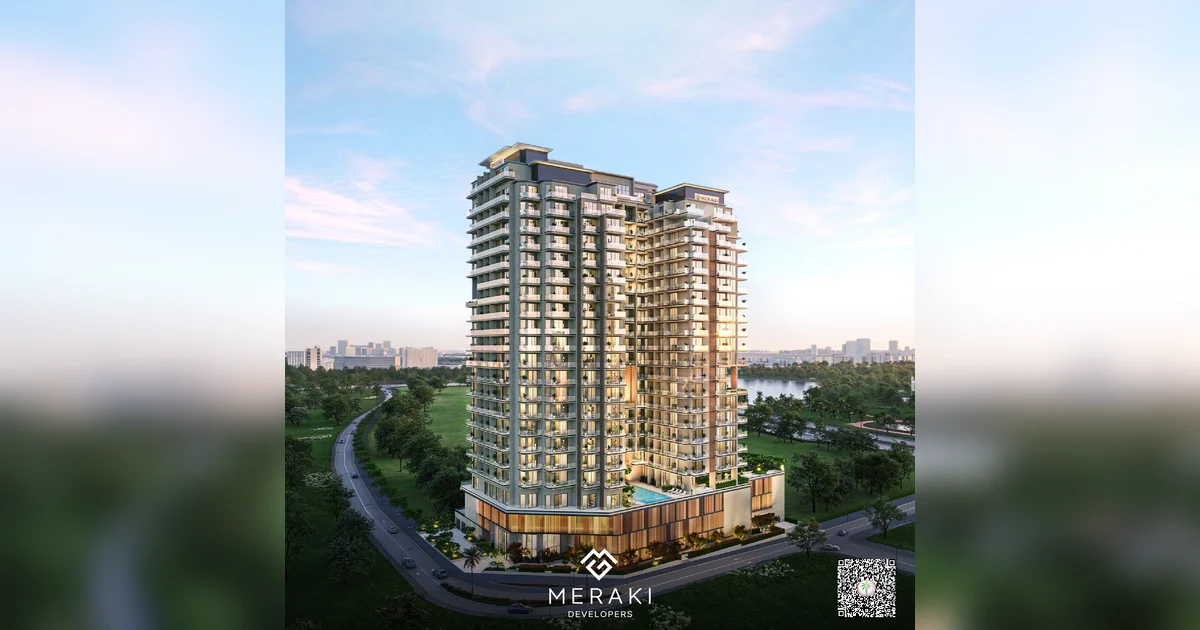
    Dubai’s real estate landscape gains a new wellness-oriented residential development with the official launch of Nirvana Residence 1 by Meraki Developers. This 22-story tower, situated in the serene Me’aisem district within Dubai Production City, introduces 392 meticulously crafted residential units ranging from studios to three-bedroom configurations.

    The development represents a paradigm shift in urban living, prioritizing resident well-being through thoughtfully integrated amenities and expansive green spaces known as Nirvana Groves. These wellness zones are strategically distributed throughout the property, creating natural retreats that promote relaxation and community interaction alongside comprehensive fitness facilities.

    Ajay Rajendran, Founder and Chairman of Meraki Developers, articulated the project’s philosophy: “Our vision transcends conventional housing by creating environments that actively nurture the human spirit. Nirvana Residence 1 embodies our commitment to harmonizing modern living with natural elements and community connectivity.”

    The project’s strategic location offers dual advantages: proximity to major transportation arteries ensuring quick access to Dubai’s urban core, while maintaining a tranquil residential atmosphere. This balance reflects Meraki’s overarching design principle of creating sanctuary-like communities without sacrificing urban convenience.

    With over 100 completed projects, the award-winning developer continues to emphasize sustainable design practices and customer-centric development, positioning Nirvana Residence 1 as their latest innovation in quality-conscious real estate that merges architectural excellence with holistic living concepts.

  • ‘Blowback’: Iran’s foreign minister says EU gets what it deserves as Trump threatens trade deal

    ‘Blowback’: Iran’s foreign minister says EU gets what it deserves as Trump threatens trade deal

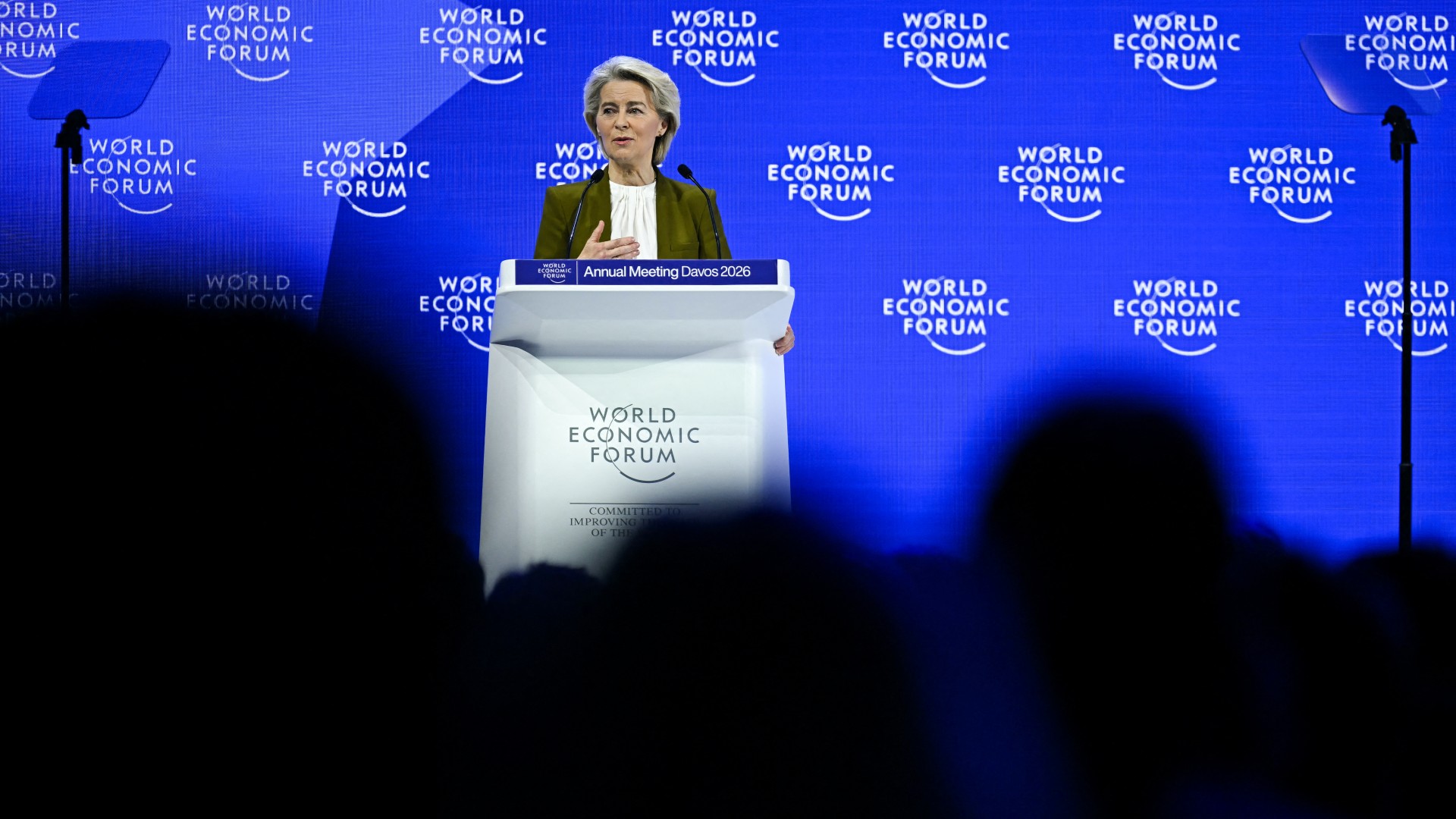
    Iran’s Foreign Minister Seyed Abbas Aragchi has declared that Europe is experiencing severe “blowback” for its compliance with Washington’s abandonment of the Iranian nuclear agreement, drawing parallels to current transatlantic trade tensions. The statement came shortly after European Commission President Ursula von der Leyen addressed the World Economic Forum in Davos, vowing that the EU would respond “unflinchingly, united and proportionally” to President Donald Trump’s threatened tariffs on European goods.

    The current diplomatic friction stems from Trump’s recent threat to impose 10% tariffs on eight European nations that opposed his proposal to acquire Greenland, a semi-autonomous Danish territory. Von der Leyen maintained that the EU still considers the United States a vital ally but cautioned against escalating trade conflicts, emphasizing that “a deal is a deal” and that “when friends shake hands, it must mean something”—referencing the EU-US trade agreement signed in July.

    Aragchi responded through social media platform X, accusing European powers of selective adherence to international agreements. He reminded the E3 alliance (France, Germany, and the United Kingdom) that they “faithfully obeyed and even abetted” Trump’s unilateral withdrawal from the Joint Comprehensive Plan of Action (JCPOA) during his first term in May 2018. The 2015 nuclear agreement had provided Iran relief from comprehensive economic sanctions in exchange for restrictions on its civilian nuclear program.

    The foreign minister warned that the EU’s current predicament with Trump’s tariff threats and his renewed determination to acquire Greenland—which Trump confirmed there was “no going back” from—demonstrates the consequences of undermining international agreements. Aragchi concluded that either all deals must be honored, or “no handshake means anything,” suggesting the alternative would be “nothing short of the breakdown of the international order.”

    The escalating situation occurs against the backdrop of warnings from other world leaders at Davos, including French President Emmanuel Macron’s caution about a shift toward “a world without rules” and Canadian Prime Minister Mark Carney’s observation that the “old order is not coming back.”

  • Maccabi Tel Aviv ban policing review failed to include local Muslim voices

    Maccabi Tel Aviv ban policing review failed to include local Muslim voices

    A preliminary investigation by Britain’s policing watchdog into the controversial ban on Maccabi Tel Aviv fans from attending a match against Aston Villa has ignited significant controversy due to its complete exclusion of Muslim community perspectives. Andy Cooke, Chief Inspector of Constabulary, submitted a report to Home Secretary Shabana Mahmood that included twenty interviews with prominent figures but notably omitted any representatives from Birmingham’s Muslim community, despite Muslims constituting approximately 30% of the city’s population.

    The report’s findings prompted Home Secretary Mahmood to declare she had ‘no confidence’ in West Midlands Police Chief Constable Craig Guildford, resulting in his immediate retirement. Cooke’s investigation reviewed police intelligence that justified prohibiting Maccabi supporters from the Europa League fixture at Villa Park in November.

    Among those interviewed were diplomatic representatives from the Israeli embassy, the Jewish Representative Council for Birmingham and West Midlands, and Lord Mann, the government’s independent adviser on antisemitism. However, no Muslim community groups or mosque leaders were consulted, despite the significant Muslim population in the region.

    A source familiar with the investigation revealed to Middle East Eye that Cooke’s team had indeed interviewed Muslim community groups but could not include their perspectives due to ‘tight’ deadlines imposed by the Home Office for the preliminary report. The source indicated these interviews would be included in subsequent updates.

    Birmingham Perry Barr MP Ayoub Khan, whose constituency includes Villa Park stadium, expressed profound disappointment that Cooke’s team had not contacted him or local councillors. ‘British Muslims are treated as expendable,’ Khan stated. ‘That is how Muslims on the ground in Birmingham feel at the moment, and there is deep grievance about it.’

    Jewish Voice for Liberation, a group representing Jews critical of Israel, also voiced concerns regarding the lack of Muslim representation in the report. In a letter to West Midlands Police and Crime Commissioner Simon Foster, representatives David Mond and Jenny Manson expressed being ‘surprised and dismayed’ by the omission.

    The controversy stems from West Midlands Police’s decision to ban Maccabi fans based on intelligence from Dutch police regarding the conduct of approximately 200 supporters described as ‘experienced fighters’ who wreaked havoc in Amsterdam during a November 2024 match. Police assessments concluded the most significant violence risk came from extremist fans of the Israeli club, with documents characterizing them as ‘highly organized’ and ‘intent on causing serious violence.’

    Chief Constable Guildford had previously defended the ban as a ‘necessary tactic with a legitimate aim, absolutely not antisemitic, rather a carefully considered, legitimate and necessary measure to ensure public safety.’ He acknowledged that part of the evidence justifying the ban, including reference to a nonexistent match against West Ham, was erroneously obtained using artificial intelligence.