博客

  • Restaurant Review: An elevated lunch experience at Al Muntaha

    Restaurant Review: An elevated lunch experience at Al Muntaha

    Perched dramatically atop the iconic Burj Al Arab Jumeirah, Al Muntaha restaurant has redefined luxury dining in Dubai through an extraordinary lunch service that transcends conventional culinary expectations. The establishment offers patrons more than mere sustenance—it delivers a theatrical performance of gastronomic excellence set against breathtaking panoramic views of the Arabian Gulf.

    The arrival experience evokes cinematic grandeur, with the restaurant’s circular architecture and floor-to-ceiling windows creating an atmosphere reminiscent of sophisticated spy thrillers. While the visual spectacle of yachts dotting the azure waters below provides a mesmerizing backdrop, it is the culinary artistry and impeccable service that truly distinguish this venue.

    Service commences with an elegant welcome featuring French beverages and expertly crafted canapés, including delicate tuna tartare tartlets and mushroom cream creations adorned with white summer truffles. The meal progresses with an artisanal bread selection accompanied by premium Burgundy butter, setting the stage for an exceptional tasting journey.

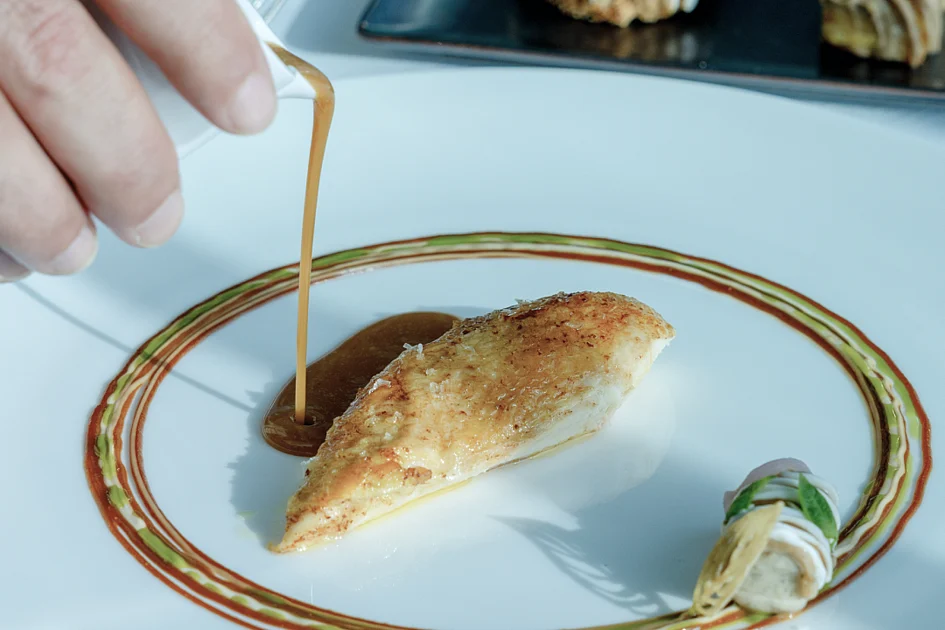
    The culinary narrative unfolds through a meticulously curated progression of dishes: smoked yellowtail crowned with 24k golden albino caviar provides a refreshing opening, followed by homemade tagliolini enveloped in an emulsified sauce of fresh truffle and Pecorino Romano. The centerpiece emerges as Lacaune lamb—reportedly the most tender preparation sampled by the reviewer—accompanied by turnip tops, winter melon, and salsa all’Italiana, achieving perfect harmony between robust meat and delicate accompaniments.

    A savory sorbet of Jerusalem artichoke and additional white truffle serves as an innovative palate cleanser before the final act: a citrus and coconut composition featuring coconut sorbet, meringue, and fresh citrus that provides a refreshing conclusion to the lavish experience.

    Throughout the service, staff demonstrate charismatic professionalism and anticipatory attention to detail, enhancing the overall atmosphere of refined indulgence. Al Muntaha has successfully crafted a multisensory dining experience that combines architectural grandeur, culinary innovation, and service excellence, establishing new standards for luxury lunch offerings in Dubai’s competitive culinary landscape.
  • From Valentine’s style to festive dining: The season’s must-know launches and experiences

    From Valentine’s style to festive dining: The season’s must-know launches and experiences

    The 2026 Valentine’s season introduces transformative experiences across fashion, dining, and digital commerce, signaling a shift toward personalized and intentional celebrations. Leading these innovations is Miruna’s fashion collection, which rejects traditional romantic clichés in favor of confident, expressive designs featuring striking red corset dresses and sharp tailoring that empower wearers through deliberate design and strong attitude.

    Culinary celebrations take a patriotic turn at Rohini, Mövenpick JLT, with a special Indian Republic Day menu featuring tricolour-inspired desserts including Tiranga Kalakand, Pistachio Malai ke Motichur, and Jalebi with Kesar Rabdi. These creations complement a curated selection of classic Indian dishes, offering a festive culinary experience during the holiday weekend.

    Jewelry brand Piece of You reimagines Valentine’s gifting with emotionally-driven pieces that prioritize personal significance over conventional romance. Their collection features the Memorabilia Roman Numeral Ring for commemorating special dates and the Amour Diamond Alphabets Necklace that combines initials with heart motifs, alongside diamond-studded Luxury Dazzle Hearts designs for statement-making moments.

    For beachside celebrations, Riva Beach Club on Palm Jumeirah offers a relaxed Mediterranean-inspired Valentine’s experience priced at AED 399 per couple. The package includes full-day access to private beach and pool facilities, a specially curated sharing menu, complimentary still water, and sparkling rosé upon arrival, creating a sun-soaked celebration from morning until sunset.

    In digital retail innovation, KANAA launches its AI-enabled multi-brand platform in Saudi Arabia, representing Al Nahla Group’s inaugural venture into consumer-facing e-commerce. The app-first ecosystem features curated licensed merchandise across toys, books, stationery, gaming, and sports categories, organized by customer intent rather than traditional categorization. The platform distinguishes itself through controlled seller governance, innovative features including rental options and trade-in programs, alongside same-day delivery in select cities, free shipping, and streamlined returns—setting new standards for digital retail experiences in the region.

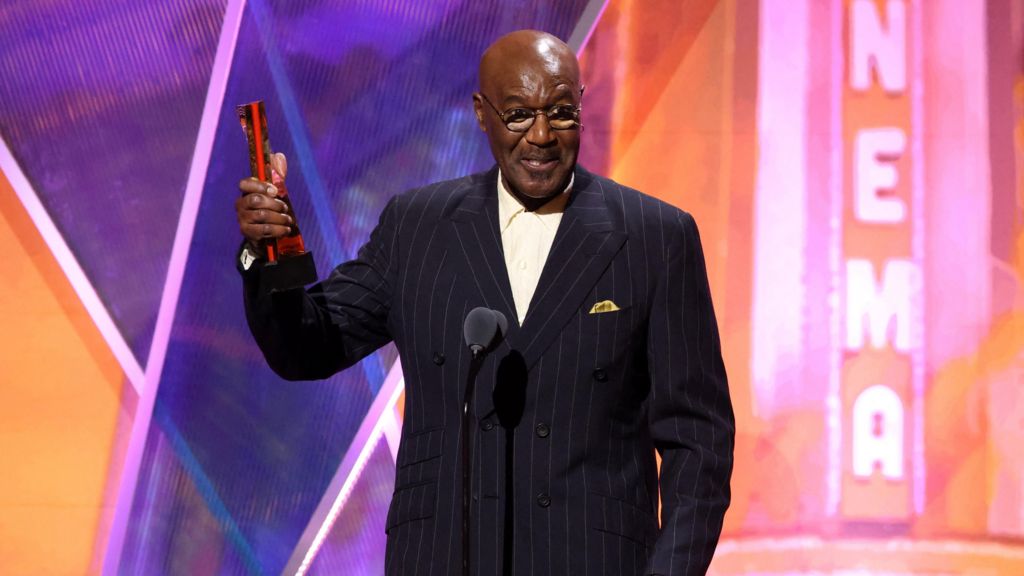
  • ‘I was in bed’: How British actor Delroy Lindo heard about Oscar nomination

    ‘I was in bed’: How British actor Delroy Lindo heard about Oscar nomination

    In a year marked by exceptional cinematic achievements, British thespians Delroy Lindo and Wunmi Mosaku have emerged as the United Kingdom’s sole acting representatives for the 93rd Academy Awards. The acclaimed performer, celebrated for his powerful portrayal in Da 5 Bloods, received his career-first Oscar nomination under remarkably humble circumstances—awakening to the news while still resting in bed. This intimate revelation contrasts sharply with the glamour typically associated with Hollywood’s highest honors, highlighting the pandemic-era awards season’s distinctive character.

    Lindo’s nomination for Best Actor recognizes his masterful depiction of a Vietnam veteran grappling with trauma and moral complexity in Spike Lee’s critically acclaimed drama. Meanwhile, Mosaku’s supporting nomination honors her performance in the supernatural horror film His House, marking a significant milestone for genre cinema representation. Their dual recognition underscores Britain’s continuing influence in global cinema despite this year’s reduced international presence across acting categories.

    The nominations arrive amid ongoing industry conversations about diversity and representation, with both performers representing meaningful strides in inclusive storytelling. Industry analysts note the significance of these nominations occurring during a historically unconventional awards season, where traditional campaigning and red-carpet festivities have been largely replaced by virtual celebrations and intimate moments of professional acknowledgment.

  • Japan’s Takaichi set to call snap election after only 3 months in office

    Japan’s Takaichi set to call snap election after only 3 months in office

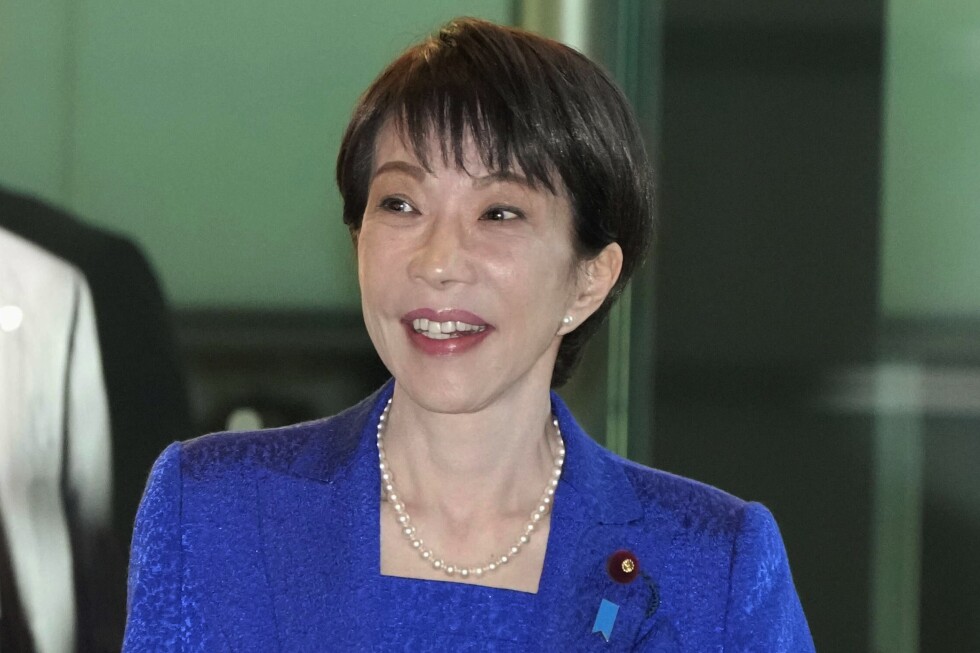
    TOKYO — In a significant political maneuver, Japanese Prime Minister Sanae Takaichi formally dissolved the lower house of Parliament on Friday, setting the stage for a snap national election scheduled for February 8. This strategic decision represents an attempt by Japan’s first female leader to leverage her substantial public approval ratings, which currently stand at approximately 70%, to strengthen her governing coalition’s legislative position.

    The dissolution of the 465-member lower chamber, officially announced by House Speaker Fukushiro Nukaga during Friday’s parliamentary session, initiates a condensed 12-day campaign period commencing next Tuesday. This electoral timeline will inevitably delay critical legislative proceedings, including the vote on a proposed budget designed to stimulate Japan’s struggling economy and address escalating consumer prices.

    Takaichi’s Liberal Democratic Party (LDP) and its coalition partners currently maintain a fragile majority in the lower house following significant electoral setbacks in recent years. The coalition lacks majority control in the upper house, necessitating opposition support for legislative initiatives. This political vulnerability has prompted Takaichi to seek a stronger mandate through early elections.

    Opposition leaders have criticized the timing of the dissolution, arguing it unnecessarily postpones essential economic measures. At a Monday press conference, Takaichi defended her decision, stating, “I believe the sovereign citizens must determine whether I should continue as prime minister. I am staking my entire political career on this election.”

    The Prime Minister intends to highlight policy contrasts with her centrist predecessor, Shigeru Ishiba, particularly regarding her administration’s fiscal spending initiatives, military expansion plans, and stricter immigration policies. However, the LDP continues to grapple with the aftermath of political funding scandals that have eroded its traditional support base, with many conservative voters shifting allegiance to emerging far-right populist parties like the anti-globalist Sanseito.

    International dimensions further complicate the political landscape. Takaichi’s recent pro-Taiwan remarks have intensified diplomatic tensions with China, triggering economic and diplomatic repercussions from Beijing. Simultaneously, the administration faces pressure from U.S. President Donald Trump to increase defense spending as both Washington and Beijing pursue military superiority in the region.

  • Gulf states fear US attack on Iran spoils chance at ‘concessions’ from weakened Islamic Republic

    Gulf states fear US attack on Iran spoils chance at ‘concessions’ from weakened Islamic Republic

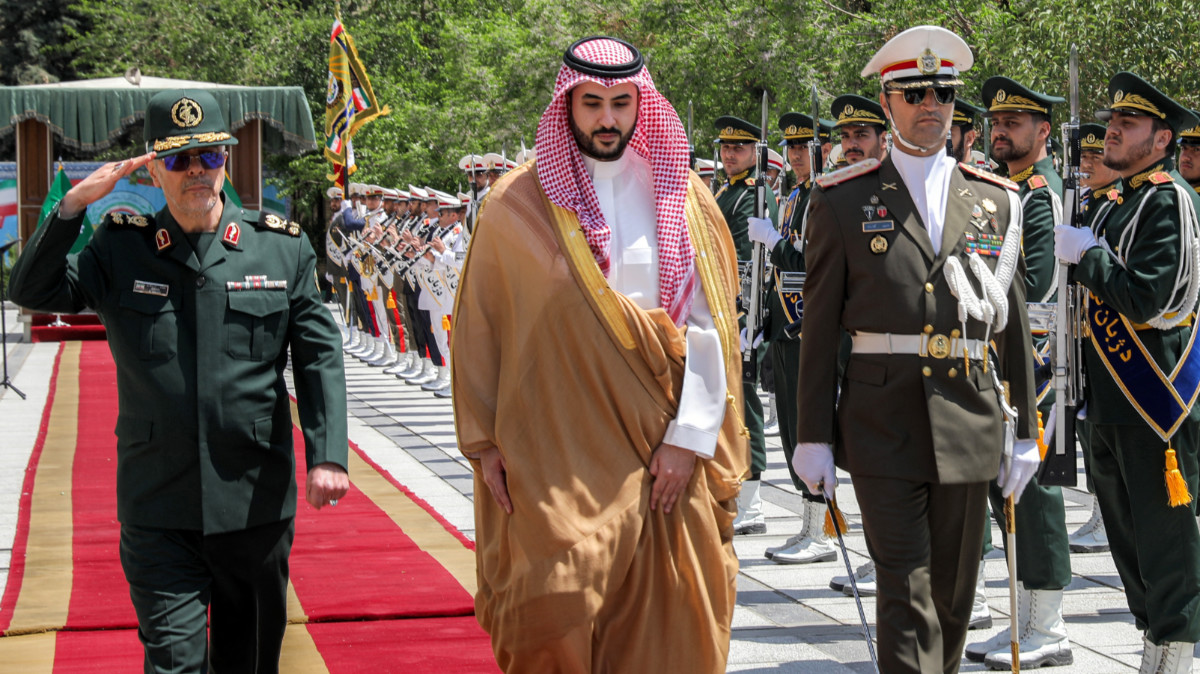
    Saudi Arabia’s recent $1.5 billion arms agreement with Sudan’s military included a significant diplomatic condition: weapons would only be delivered if General Abdel Fattah al-Burhan distanced his forces from Iranian drone technology. This strategic maneuver, confirmed by Gulf officials and sources briefed on the matter, illustrates how Gulf monarchies are subtly exploiting Iran’s declining regional influence while avoiding direct confrontation.

    Tehran’s current vulnerabilities stem from a combination of military setbacks against Israel and domestic unrest fueled by economic crises. Gulf states recognize this weakness presents unprecedented opportunities to extract concessions and expand their regional influence. However, analysts and officials reveal deep concerns that potential U.S. military action against Iran could disrupt this delicate balance, potentially triggering catastrophic responses that would endanger regional stability.

    Joshua Yaphe, senior fellow at the Center for the National Interest and former State Department Gulf analyst, notes: “There is an advantage for the Gulf in a weak Iran that is not engulfed in chaos.” Gulf monarchies particularly fear that American strikes could provoke retaliatory measures across their borders or lead to further consolidation of power by Iran’s Islamic Revolutionary Guard Corps (IRGC).

    Despite Iran’s demonstrated military capabilities—including missile strikes on Tel Aviv during the June 2025 conflict and survival after nuclear facility bombings—the U.S. and its Gulf partners disagree on how to capitalize on Tehran’s weakened state. While Washington and Jerusalem see an opportunity for decisive strikes, Gulf nations prefer extracting diplomatic concessions through careful negotiation.

    Recent tensions escalated when President Trump threatened military action during Iran’s crackdown on protesters earlier this month. Saudi Arabia, Oman, and Qatar actively lobbied against intervention, though concerns persist that Trump may still authorize new strikes. The deployment of the USS Abraham Lincoln to the Arabian Sea has further heightened anxieties.

    Gulf opposition to military action stems from multiple factors: hosting vulnerable U.S. military bases, fear of unpredictable retaliation, and recognition that Iran’s weakness creates negotiation opportunities. As one Gulf source stated: “Trump had his Venezuela. What the Americans are being told is ‘this is our region. We can make a deal.’”

    Regional dynamics reveal significant divisions, however. While Saudi Arabia leads anti-strike efforts, the UAE’s position remains ambiguous due to its closer alignment with Israel and higher risk tolerance. This divergence reflects the ongoing deterioration of Saudi-Emirati relations, evident in recent confrontations in Yemen and Sudan.

    The dramatic transformation in Saudi-Iranian relations underscores the region’s shifting alliances. Since restoring diplomatic ties through Chinese mediation in 2023, Riyadh now expects Tehran to “reciprocate” by moderating Houthi aggression in Yemen. Meanwhile, Qatar emerges as a key power broker, backing Syria’s president while sharing the world’s largest natural gas field with Iran.

    Oman and Qatar are leveraging the current situation to promote renewed nuclear negotiations, finding some receptive ears in international forums. As consultant Steve Witkoff noted at Davos: “Iran needs to change its ways… if they indicate willingness, I think we can diplomatically settle this.” This diplomatic approach remains the Gulf’s preferred path forward.

  • Putin meets Trump’s envoys as Kremlin says Ukraine settlement hinges on territory

    Putin meets Trump’s envoys as Kremlin says Ukraine settlement hinges on territory

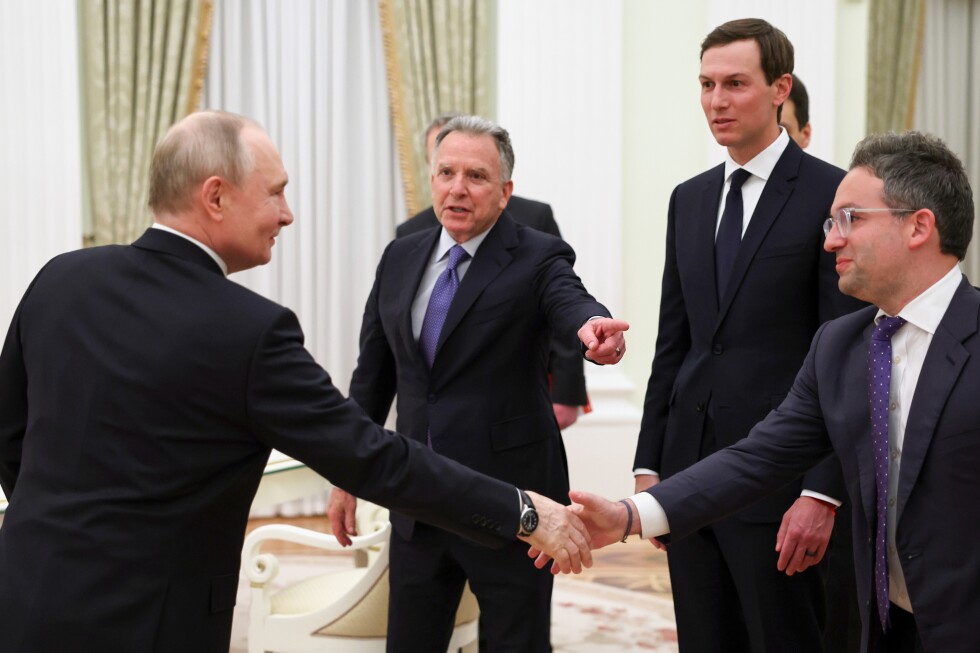
    In a significant diplomatic development, Russian President Vladimir Putin engaged in marathon overnight discussions with special envoys representing former U.S. President Donald Trump, focusing on potential pathways to resolve the ongoing conflict in Ukraine. The Kremlin negotiations, extending past 3 a.m. Moscow time on Friday, produced a critical breakthrough with the announcement of upcoming trilateral talks involving Russian, Ukrainian, and American officials in the United Arab Emirates.

    Kremlin foreign affairs adviser Yuri Ushakov, who participated in the extensive talks characterized as “frank, constructive, and fruitful,” emphasized that territorial disputes remain central to any lasting peace agreement. “It was reaffirmed that reaching a long-term settlement can’t be expected without solving the territorial issue,” Ushakov stated, referencing Moscow’s demand for Ukrainian troop withdrawal from eastern regions that Russia has illegally annexed.

    The diplomatic momentum built simultaneously at the World Economic Forum in Davos, where Ukrainian President Volodymyr Zelenskyy held a closed-door meeting with Trump lasting approximately one hour. Zelenskyy described the discussions as “productive and meaningful,” while Trump later noted that both Russian and Ukrainian leaders appear willing to make concessions to end the conflict, though acknowledging that territorial boundaries remain a persistent sticking point.

    Zelenskyy used his platform in Davos to deliver sharp criticism of European allies, accusing them of fragmented responses and inadequate support. Drawing parallels to the film ‘Groundhog Day,’ he expressed frustration that his warnings about European defense preparedness have gone unheeded over the past year. The Ukrainian leader specifically highlighted Europe’s slow decision-making processes, insufficient defense spending, and failure to effectively counter Russia’s sanctions-evading “shadow fleet” of oil tankers.

    The emerging peace process faces complex challenges amid ongoing military realities. Russia currently controls approximately 20% of Ukrainian territory gained since hostilities began in 2014 and expanded through the 2022 full-scale invasion. Ukraine faces significant shortages in both military resources and personnel, with defense officials reporting approximately 200,000 troop desertions and widespread draft-dodging affecting nearly 2 million citizens.

    The UAE-mediated talks represent the most substantial diplomatic movement in months, with a Russian delegation led by military intelligence chief Admiral Igor Kostyukov scheduled to participate. Separate economic discussions between Putin’s envoy Kirill Dmitriev and Trump representative Steve Witkoff are also planned, indicating a multifaceted approach to conflict resolution.

  • TikTok establishes joint venture to end US ban threat

    TikTok establishes joint venture to end US ban threat

    TikTok has successfully navigated around a potential ban in its largest market through the establishment of a majority American-owned corporate entity. The newly formed TikTok USDS Joint Venture LLC will maintain operations for over 200 million American users and 7.5 million businesses while implementing enhanced data protection protocols and content moderation systems.

    This strategic restructuring directly addresses national security concerns raised by U.S. policymakers regarding Chinese ownership of the popular video platform. The move complies with legislation enacted during the Biden administration that mandated ByteDance either divest TikTok’s U.S. operations or face prohibition from American digital marketplaces.

    Under the finalized arrangement, Chinese parent company ByteDance will maintain a 19.9% stake in the venture—deliberately kept below the 20% threshold specified in the regulatory framework. Major American investment firms including Silver Lake, Oracle, and MGX (an Abu Dhabi-based AI investment fund) each secured 15% ownership positions. Additional stakeholders comprise Dell Family Office, Susquehanna International Group affiliates, General Atlantic, and several other financial institutions.

    The governance structure will feature a seven-member board with American majority representation, including TikTok’s global CEO Shou Chew and executives from leading investment firms. Adam Presser has been appointed CEO of the new entity, with Will Farrell assuming the chief security officer position.

    Operational responsibilities will see the joint venture maintaining authority over trust and safety policies and content moderation for U.S. users, while TikTok’s global entities will continue managing international product integration and commercial activities including e-commerce and advertising. All American user data will be housed within Oracle’s secure cloud environment, subject to third-party cybersecurity audits and compliance with federal standards.

    Former President Donald Trump publicly celebrated the resolution, claiming personal credit for preserving TikTok’s American operations while acknowledging Chinese President Xi Jinping’s cooperation in approving the arrangement. Oracle’s executive chairman Larry Ellison, a longstanding Trump associate, emerges as a significant figure in the investment consortium, recently expanding his influence through major AI partnerships and media industry acquisitions.

  • Trump withdraws Canada’s invite to join Board of Peace

    Trump withdraws Canada’s invite to join Board of Peace

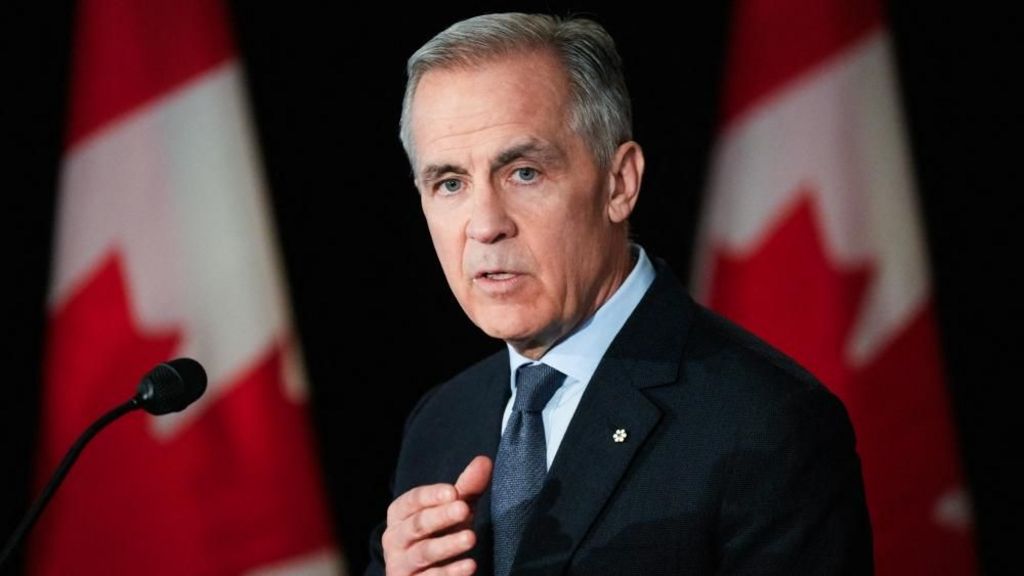
    In a significant diplomatic escalation, former U.S. President Donald Trump has formally withdrawn Canada’s invitation to join his newly established Board of Peace. The decision was announced via Trump’s Truth Social platform in a direct address to Canadian Prime Minister Mark Carney, marking the latest deterioration in relations between the North American neighbors.

    The conflict stems from Prime Minister Carney’s recent address at the World Economic Forum in Davos, where he warned of a potential ‘rupture’ in the U.S.-led global order without explicitly naming Trump. The Canadian leader’s comments, which received a rare standing ovation, apparently provoked Trump’s ire, leading to the invitation’s revocation.

    Financial considerations further complicated the situation. Ottawa had previously indicated it would refuse to pay the substantial $1 billion membership fee that Trump has mandated for permanent members of the board. This financial commitment was intended to fund the operations of the new international organization, which Trump envisions as an alternative conflict-resolution body to the United Nations.

    The Board of Peace, conceived by Trump, grants him extensive decision-making authority as lifetime chairman. While initially perceived as focused on resolving the Israel-Hamas conflict in Gaza, the proposed charter notably omits specific mention of Palestinian territories and appears designed to assume functions traditionally handled by the UN.

    Despite Canada’s exclusion, approximately 35 nations have already committed to joining from the 60 invited countries. Participants include Argentina, Hungary, Egypt, Turkey, Qatar, Saudi Arabia, Pakistan, and several Central Asian nations. Notably absent are all other permanent UN Security Council members—China, France, Russia, and the United Kingdom—who have thus far declined participation.

    The diplomatic friction intensified through exchanged remarks between the two leaders. Following Carney’s Davos address, Trump retorted that Canada ‘lives because of the United States’ and should demonstrate gratitude for numerous ‘freebies.’ Carney responded defiantly during a speech in Quebec, asserting that ‘Canada thrives because we are Canadians,’ underscoring the deepening diplomatic rift.

  • Ruuska storms to victory with stunning 62 at Egypt Golf Series New Giza

    Ruuska storms to victory with stunning 62 at Egypt Golf Series New Giza

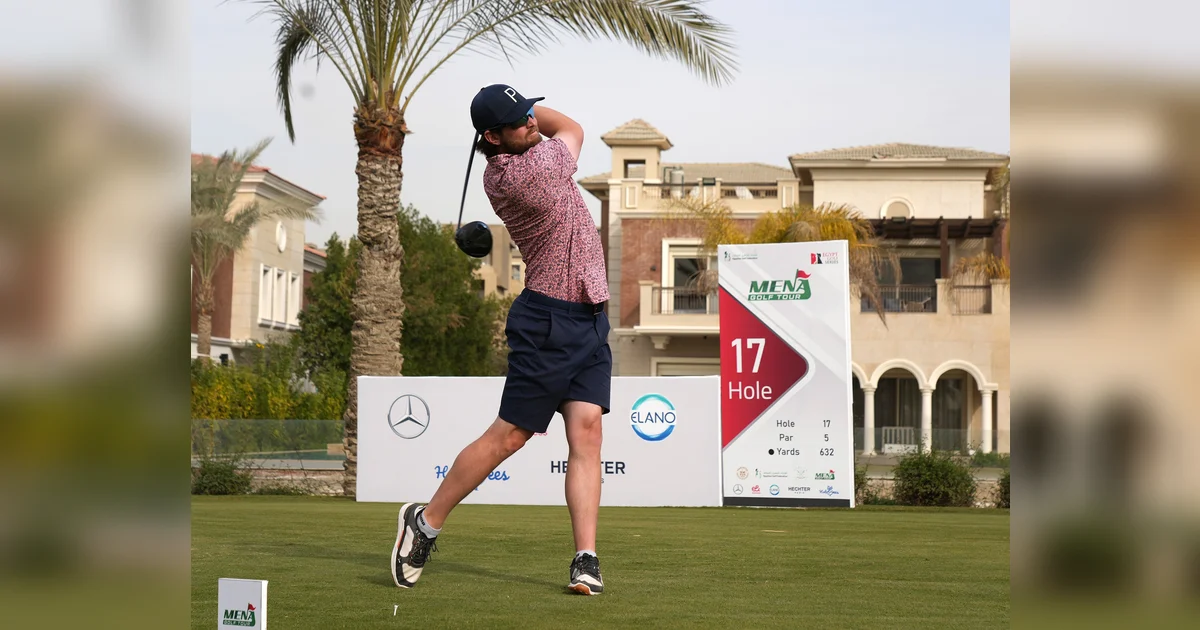
    In a remarkable display of skill and determination, Finnish golfer Lauri Ruuska mounted an extraordinary comeback to secure victory at the Egypt Golf Series New Giza tournament. The professional golfer, competing in his first tournament since September, delivered a stunning performance with a ten-under-par 62 in the final round at New Giza Golf Club.

    Ruuska’s spectacular round featured ten birdies, enabling him to overcome a seven-shot deficit against overnight leader Ludovico Addabbo. The Finnish athlete finished the tournament at 14 under par, narrowly edging out American contender Charlie Crockett by a single stroke. Ruuska’s front nine included six birdies, followed by four additional birdies on the back nine, culminating in a decisive birdie on the final hole that established an unbeatable clubhouse target.

    Following his victory, Ruuska revealed his recent struggles on the DP World Tour and HotelPlanner Tour, explaining that he had taken a six-week complete break from golf to reset his approach to the game. The champion attributed his success to significant improvements in his putting technique, which he refined during practice sessions at his hotel after the initial rounds.

    American golfer Charlie Crockett posted a solid 67 in the final round to claim second place at 13 under par. The competition saw first-round leader Zan Luka Stirn and Italy’s Aron Zemmer sharing third position at 12 under, while overnight leader Addabbo dropped to a tie for seventh place after carding a final-round 73.

    Ruuska’s victory earned him $18,000 from the tournament’s $100,000 prize fund, along with valuable Official World Golf Ranking points. The event marks the beginning of the MENA Golf Tour’s Egypt swing, with the next tournament scheduled at Address Marassi Golf Resort on Egypt’s Mediterranean coast starting January 24th.

  • In Scotland, fishing trawlers scrape the seabed despite protection promises

    In Scotland, fishing trawlers scrape the seabed despite protection promises

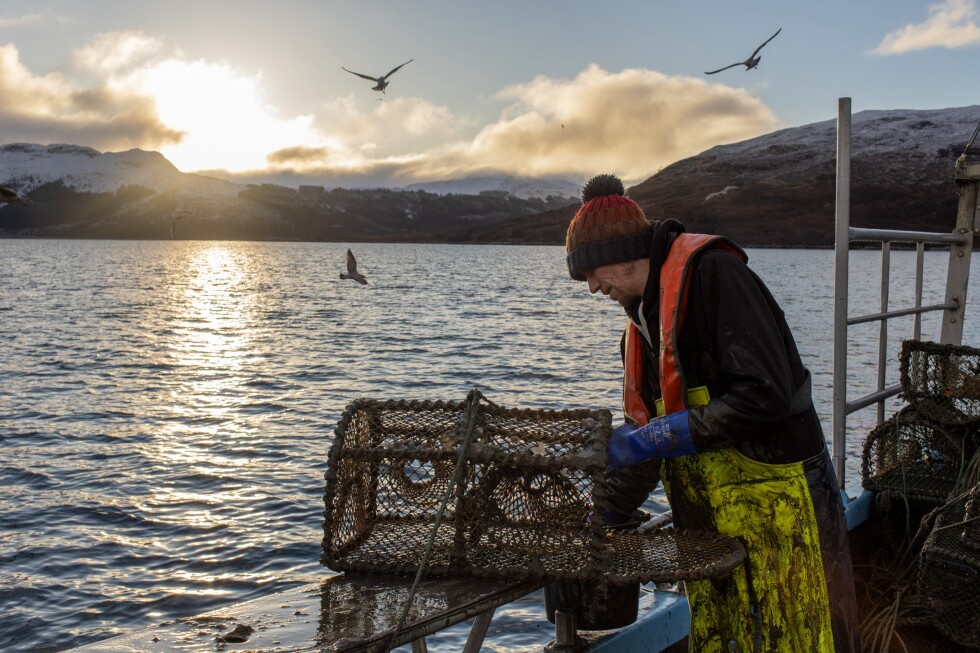
    OFF THE COAST OF KYLEAKIN, Scotland — Beneath the surface of Scotland’s protected waters, a silent ecological crisis unfolds as industrial fishing methods continue to operate with minimal restrictions. Veteran fisherman Bally Philp, with over thirty years of experience, witnesses this degradation firsthand from his creel boat in Loch Alsh—one of the few remaining sanctuaries along Scotland’s coastline.

    Despite 37% of Scottish waters carrying marine protected area (MPA) designations, environmental organizations reveal that less than 5% have implemented management measures to enforce these protections. Consequently, destructive practices including bottom trawling and scallop dredging—methods that rake and devastate seabed ecosystems—are permitted across approximately 95% of Scotland’s coastal waters, including within designated conservation zones.

    The ecological cost of these practices is staggering. Bottom trawling vessels consume nearly triple the fuel of conventional fishing methods while crushing marine habitats and releasing stored carbon from disturbed seabed sediments. The method results in substantial bycatch discard with minimal survival rates for unintended marine life.

    Philp’s personal journey mirrors the industry’s transformation. Having worked on trawlers in the late 1980s, he witnessed the devastating practice of discarding dead bycatch—”a heartbreaking stream of dead fish flowing off the back of the boat.” This experience prompted his shift to sustainable creel fishing, which minimizes habitat damage and allows most unintended catch to survive release.

    The problem extends beyond Scotland. A 2024 report by the Marine Conservation Society and Oceana documented 4.4 million hours of bottom trawling within protected marine sites across seven European nations between 2015-2023. The repeal of Scotland’s historic 3-mile coastal trawling ban in 1984 precipitated catastrophic declines, with areas like the Clyde experiencing commercial fishery collapse.

    The economic implications are equally significant. A 2023 analysis projected that banning bottom trawling in UK offshore protected areas could yield net benefits reaching £3.5 billion ($4.7 billion) over two decades through enhanced carbon storage, pollution removal, and ecosystem services.

    Marine biologist Caitlin Turner explains the cascading ecological effects: “Degraded habitats provide fewer spawning grounds for juvenile fish, ultimately reducing abundance throughout the food chain—affecting larger predators that depend on these prey species.”

    The Scottish government has delayed crucial fisheries management consultations until at least mid-2026, citing parliamentary elections and contractor delays. While officials note that 13% of inshore protected areas currently restrict certain destructive practices, conservationists advocate for reinstating coastal protections covering至少 30% of Scotland’s inshore seas—aligning with international 2030 conservation targets.

    For Philp, who represents the third generation of fishers in his family, the timeline for action feels desperately slow. He has discouraged his own sons from continuing the family tradition, stating: “We’re at the arse end of something that was once really good. Unless we can turn that around, why would anyone want their kids to do this?”